Shelves as architectural elements in the home
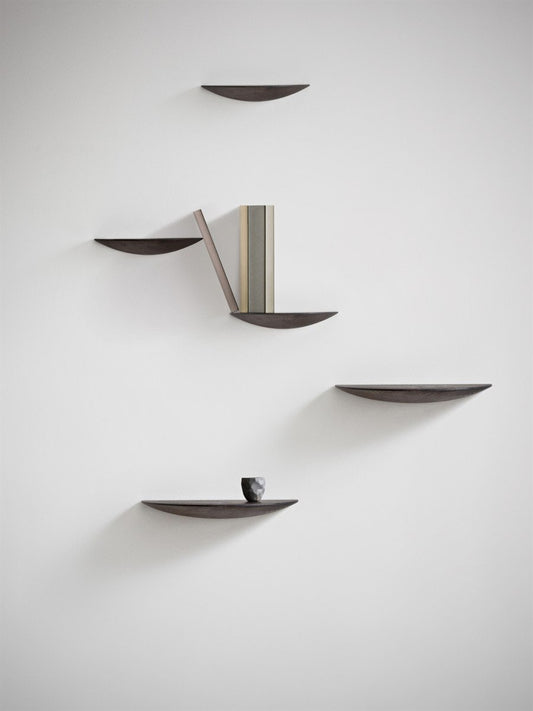
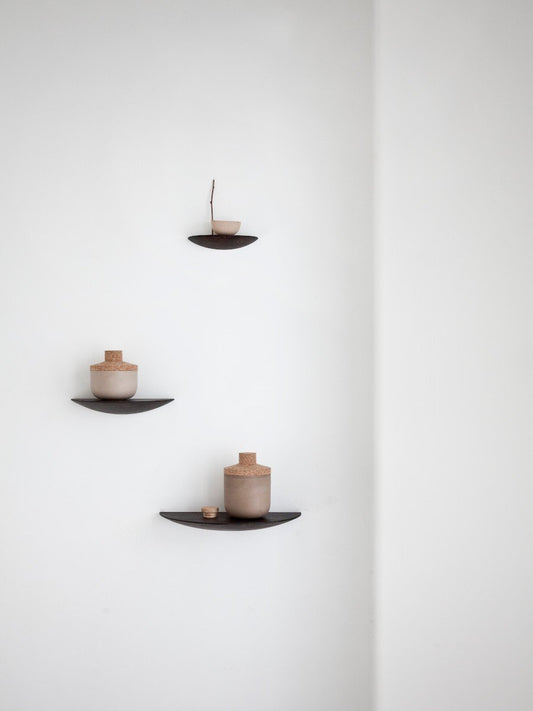
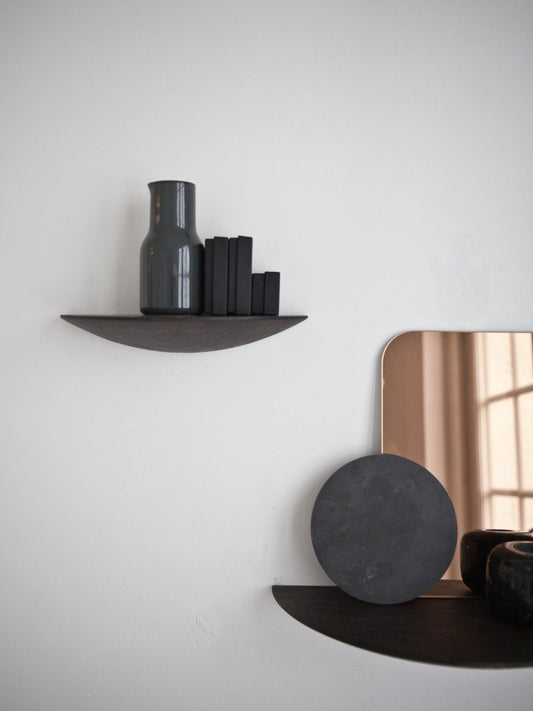
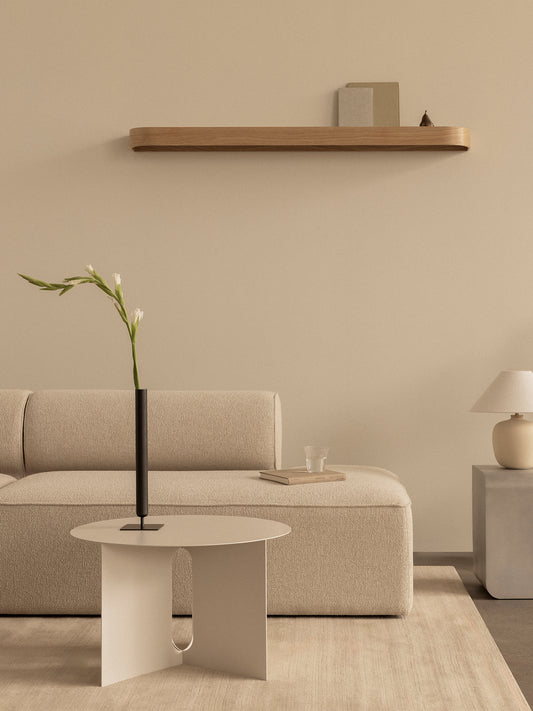
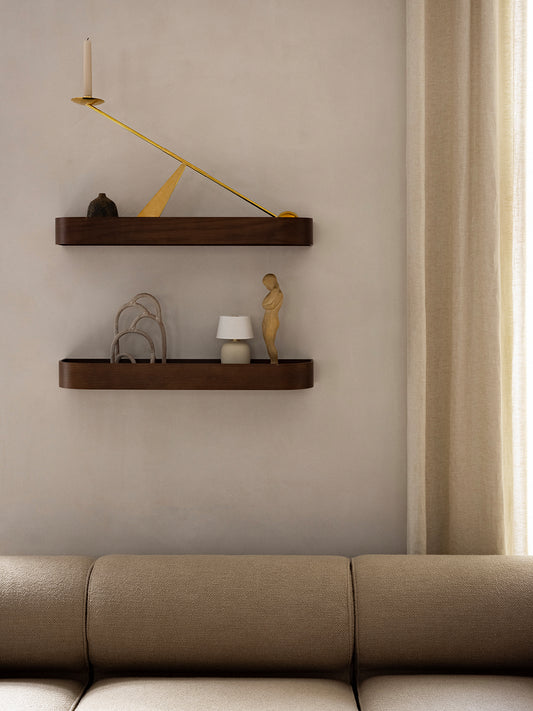
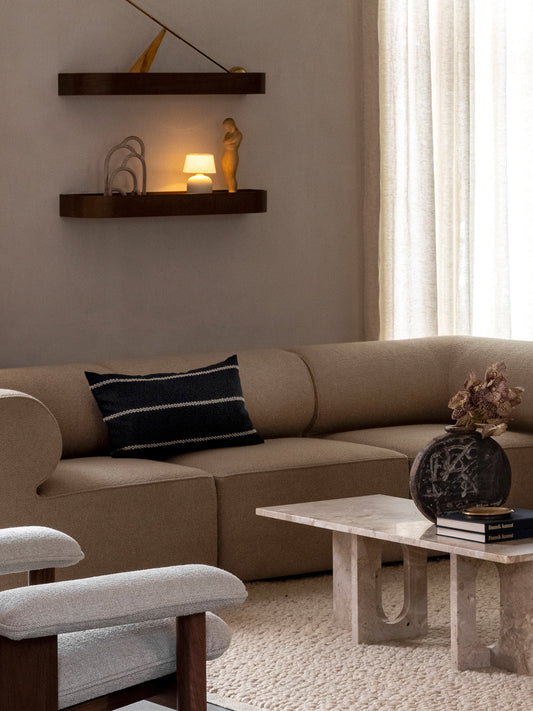
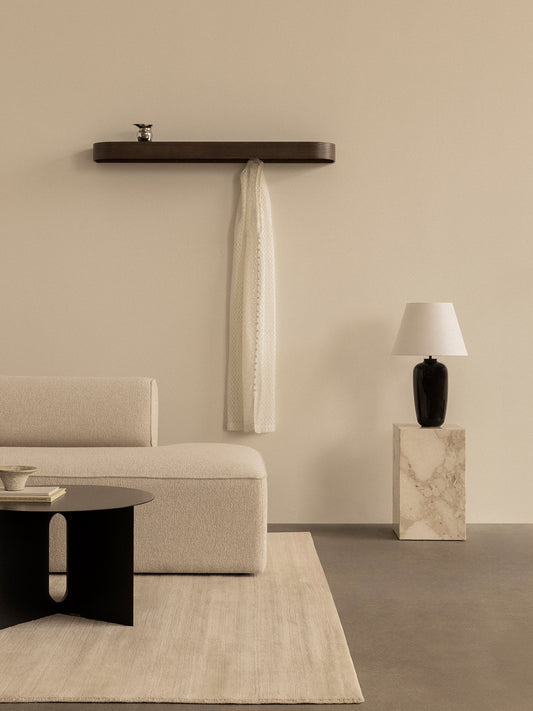
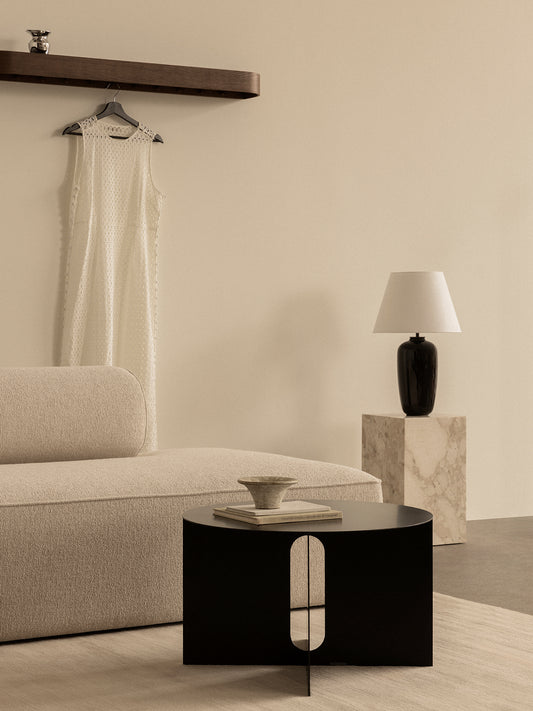
Shelves do more than provide storage. They shape the wall and influence how a room feels. When thoughtfully placed, shelves create rhythm and structure, turning empty surfaces into considered compositions. They allow everyday objects to be arranged with care, bringing clarity instead of clutter.
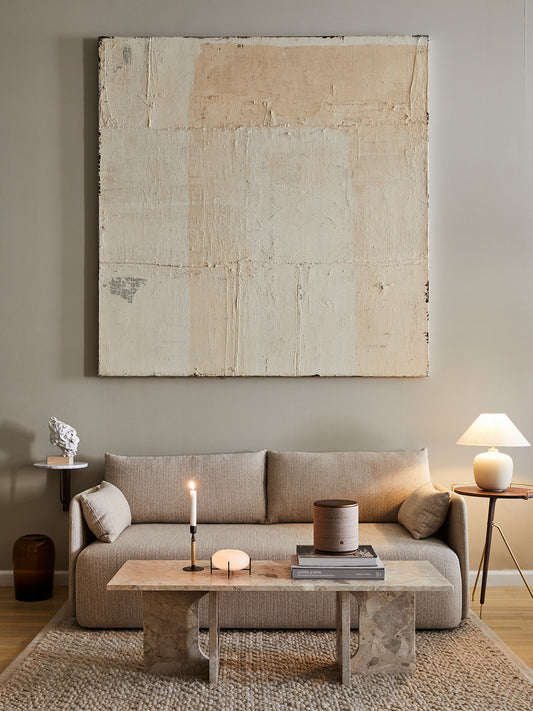
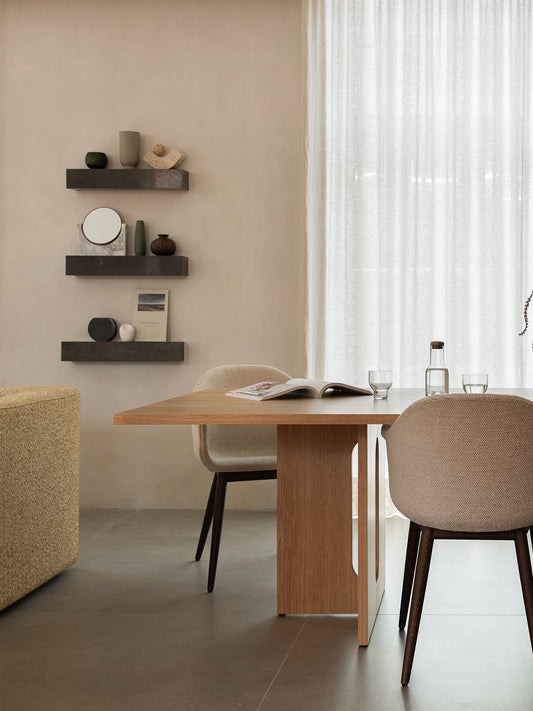
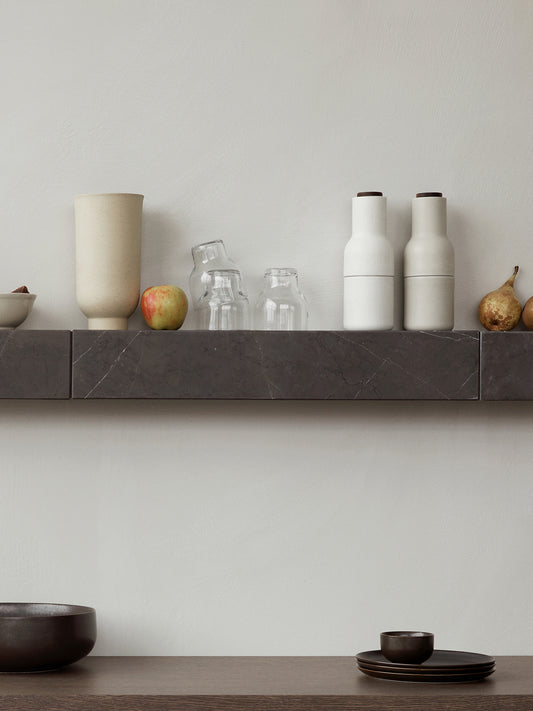
In living rooms, shelves frame books, art and personal objects, adding depth without taking up floor space. In kitchens and dining areas, they keep essentials within reach while maintaining a calm expression. In bedrooms or home offices, shelves introduce lightness and order. By working both horizontally and vertically, shelves make use of the full height and width of a room.
Rather than dominating the space, well-designed shelves integrate naturally into the architecture. They offer support and display in equal measure — practical in purpose, yet subtle in presence.
Sculptural shelves in marble, stone, and wood
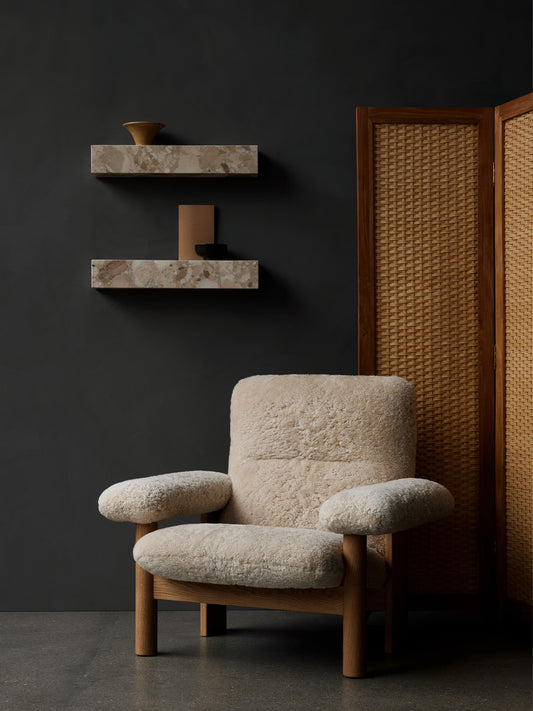
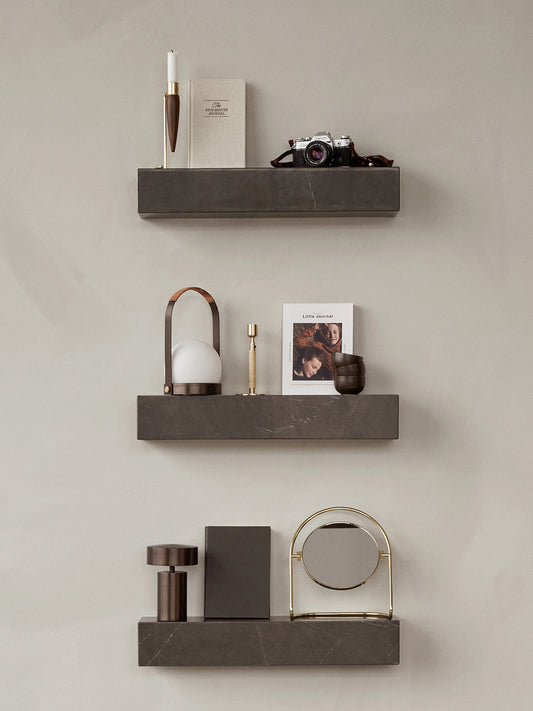
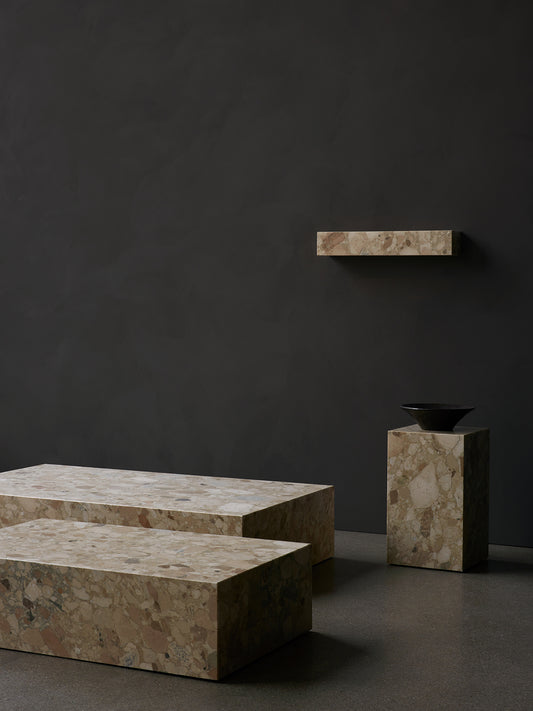
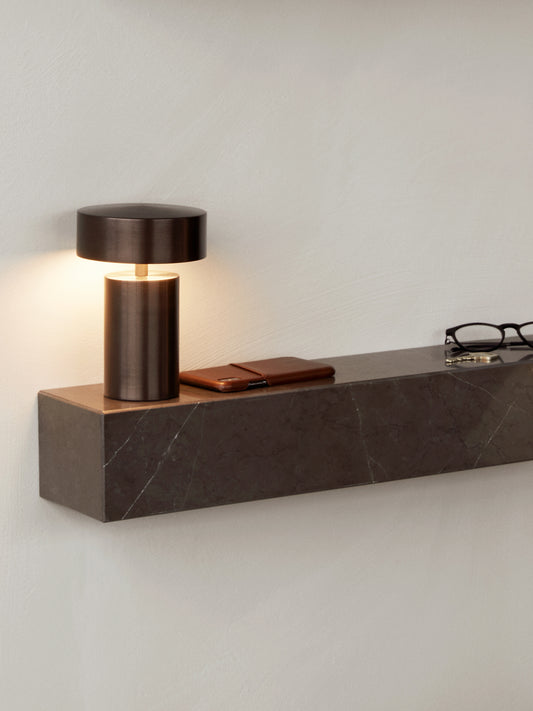
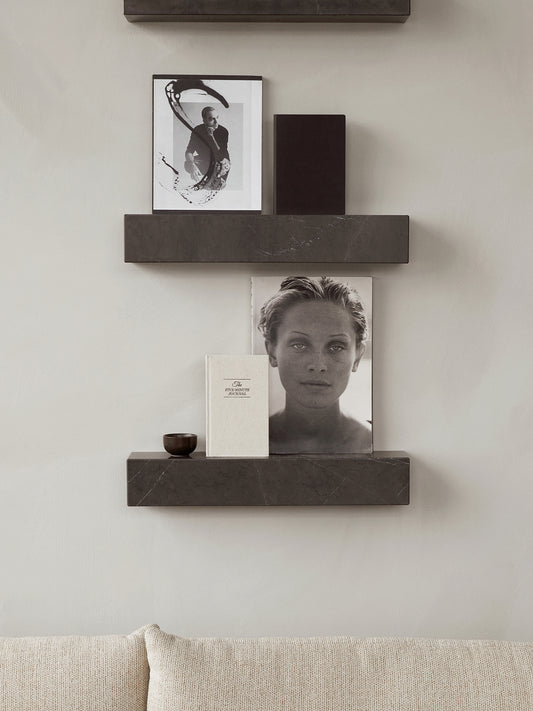
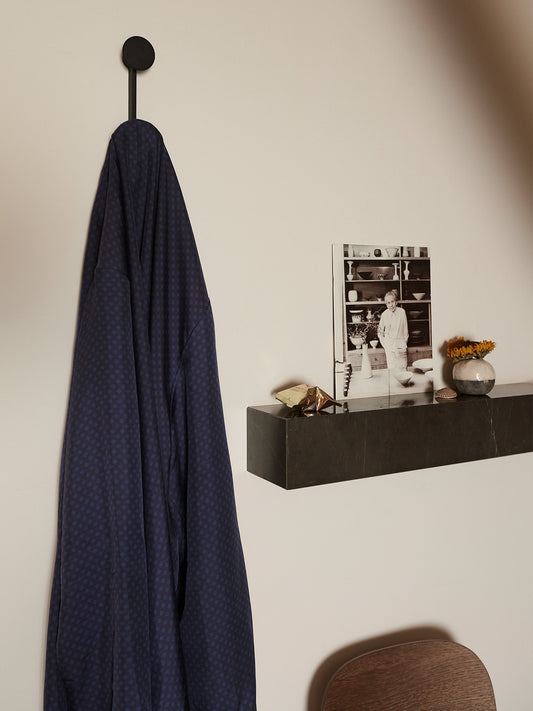
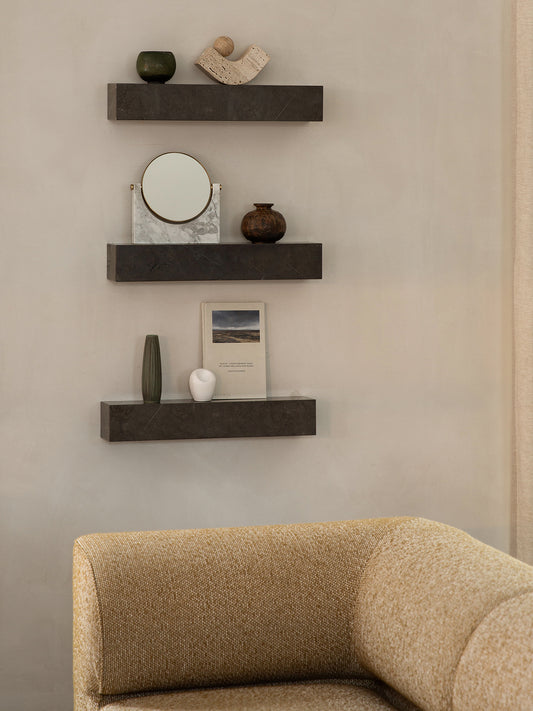
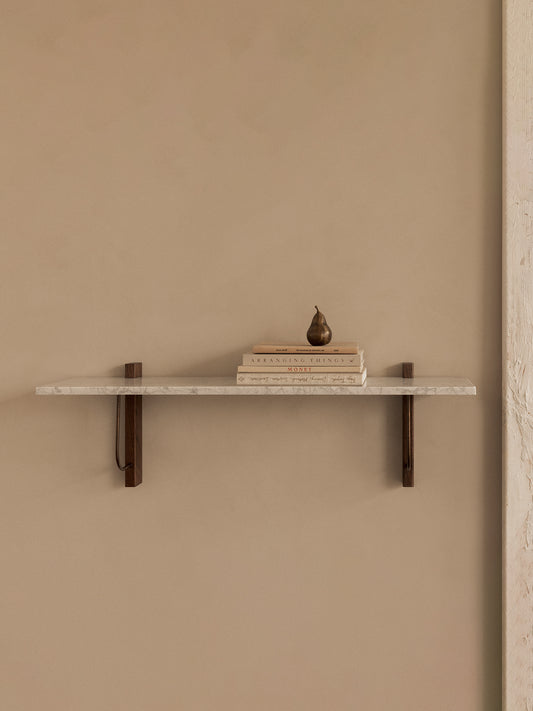
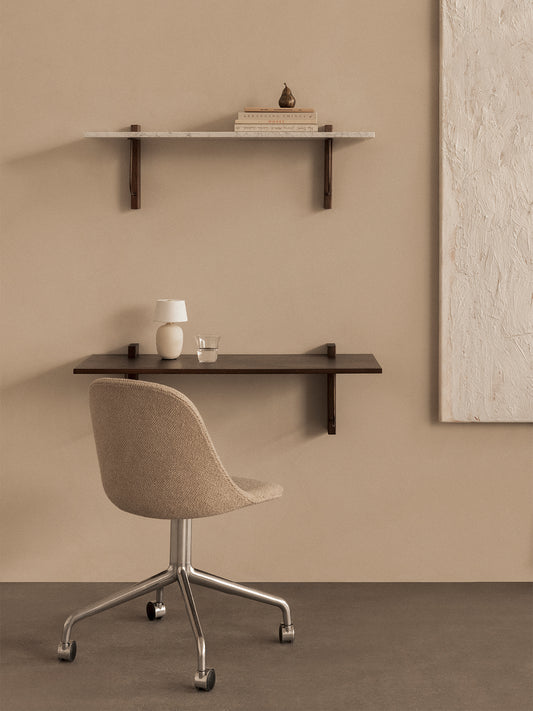
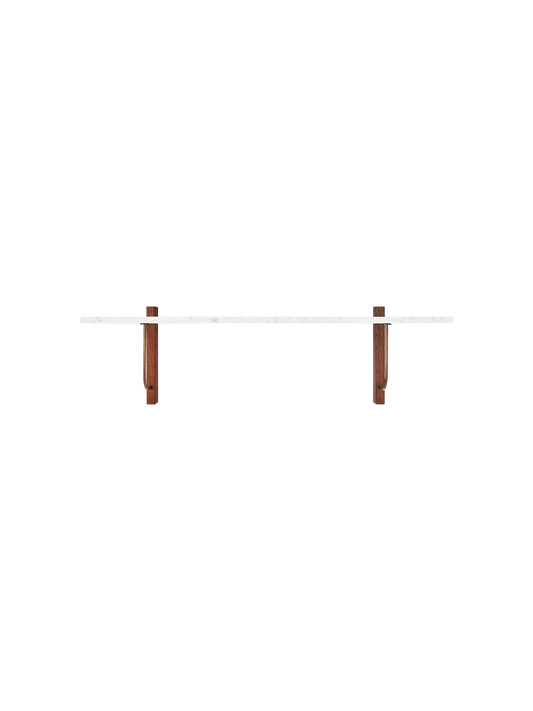
Material plays a quiet but important role in how shelves affect a space. Marble and stone shelves introduce weight and permanence. Their natural veining and solid surfaces bring depth to the wall, creating a sense of stability and refinement. A marble shelf can act almost like a small architectural ledge — understated yet distinct.
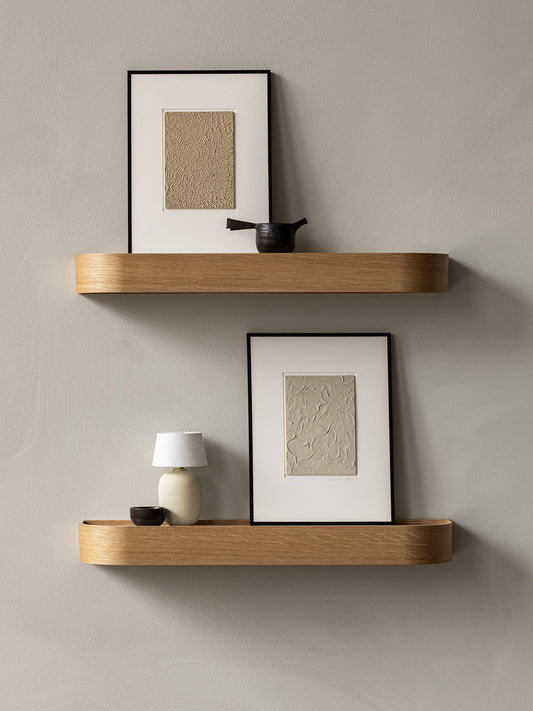
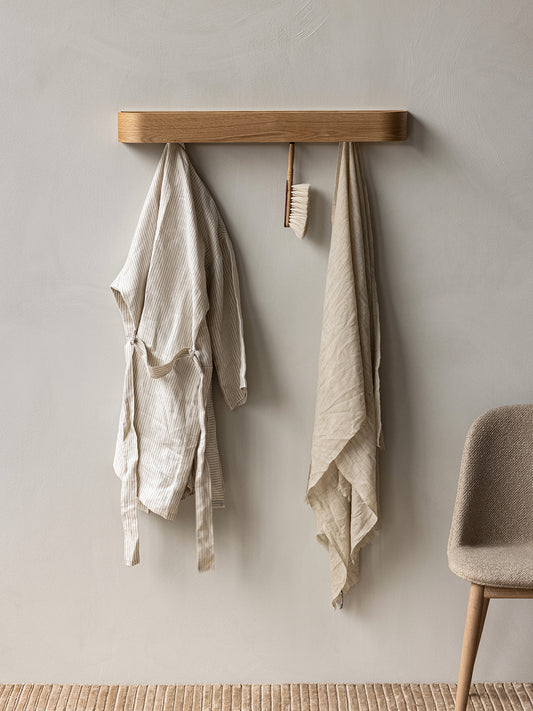
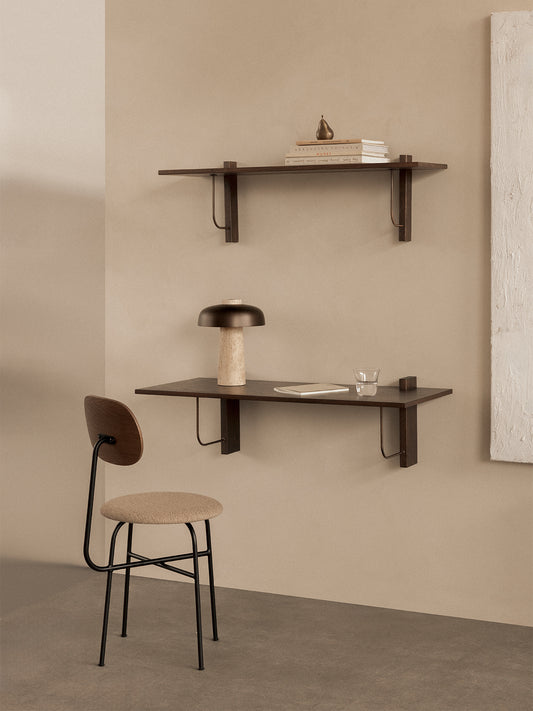
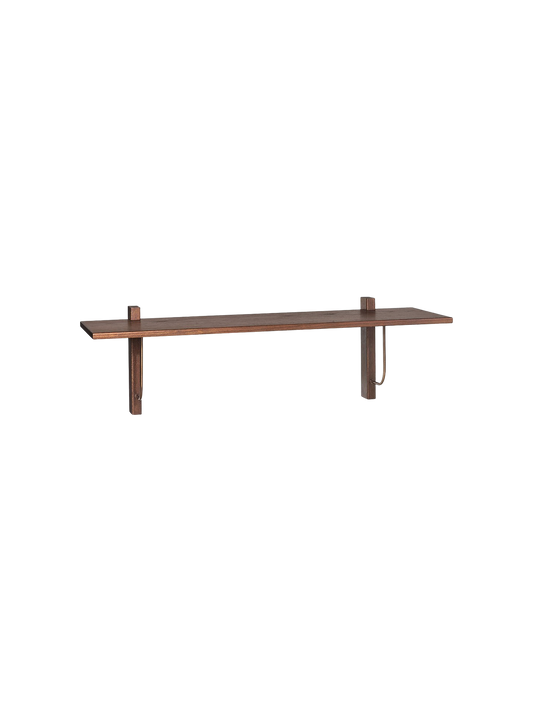
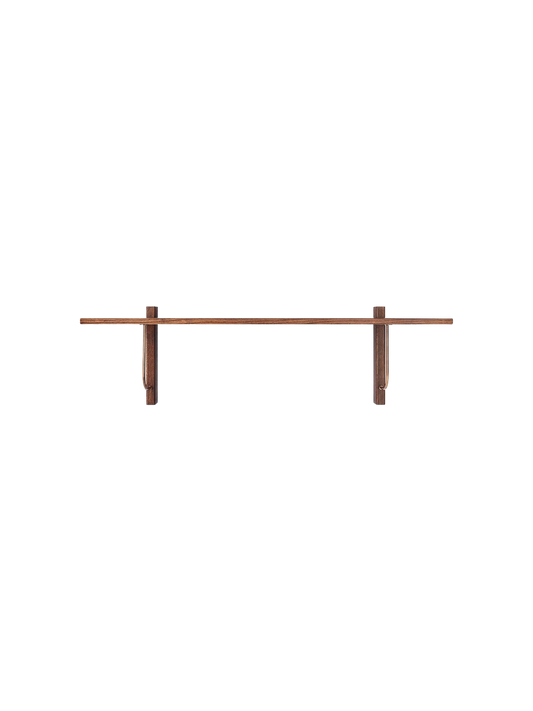
Wooden shelves, by contrast, introduce warmth and tactility. The grain and tone of oak soften interiors and create a welcoming atmosphere. Combined with slim metal brackets or supports, wood balances structure with ease.
When marble, stone or wood is paired with steel, the contrast enhances both materials. The cool precision of metal meets the organic character of natural surfaces. Together, these materials ensure that shelves feel considered and enduring, adding texture and visual interest while remaining calm and restrained.
Get to know the designers of our shelves
Behind every shelf is a considered design perspective. Our collection brings together designers who share a commitment to clarity, function and material honesty. Each approaches shelving with a distinct yet complementary point of view, resulting in modern shelves that feel both purposeful and enduring.
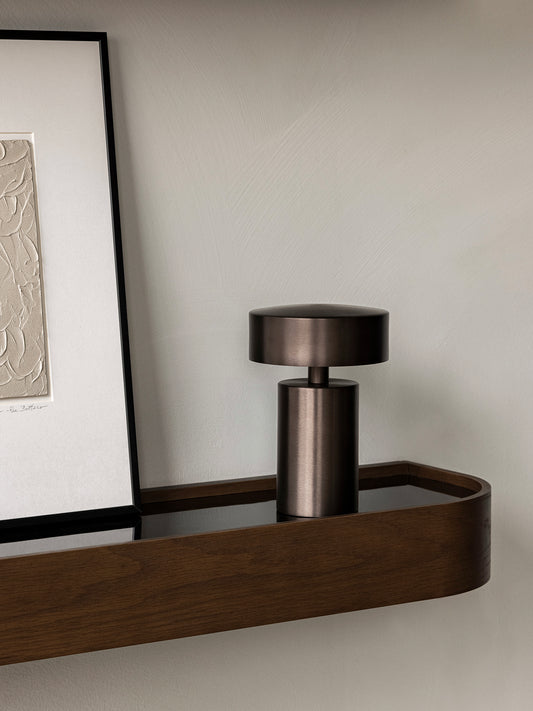
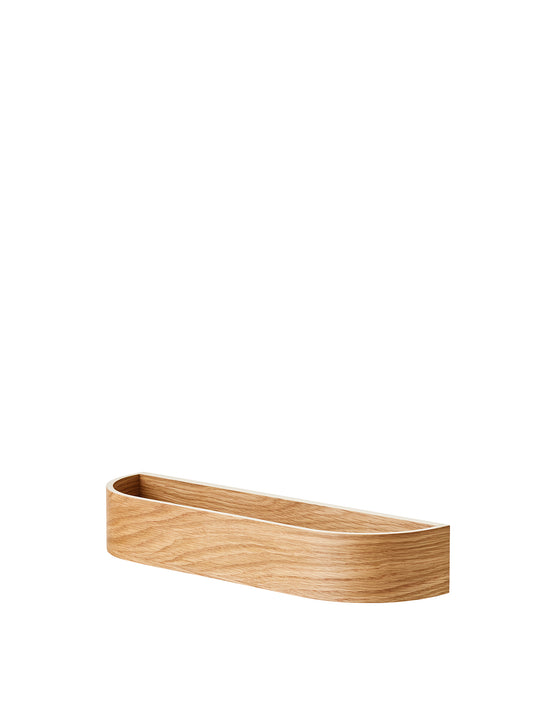
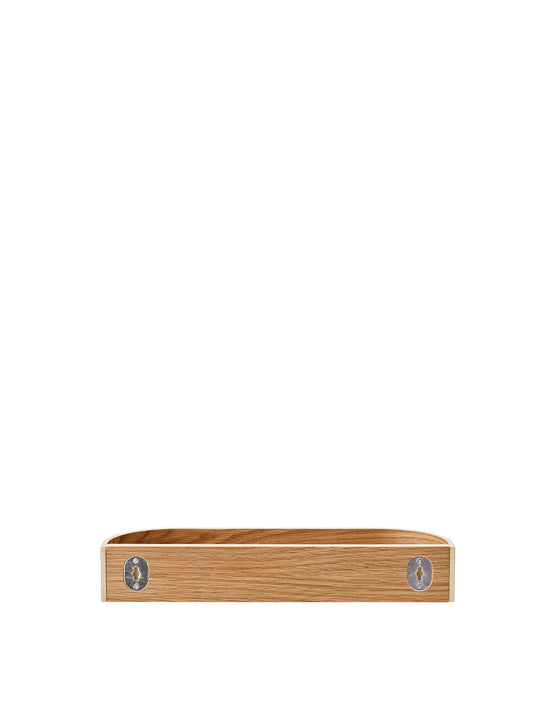
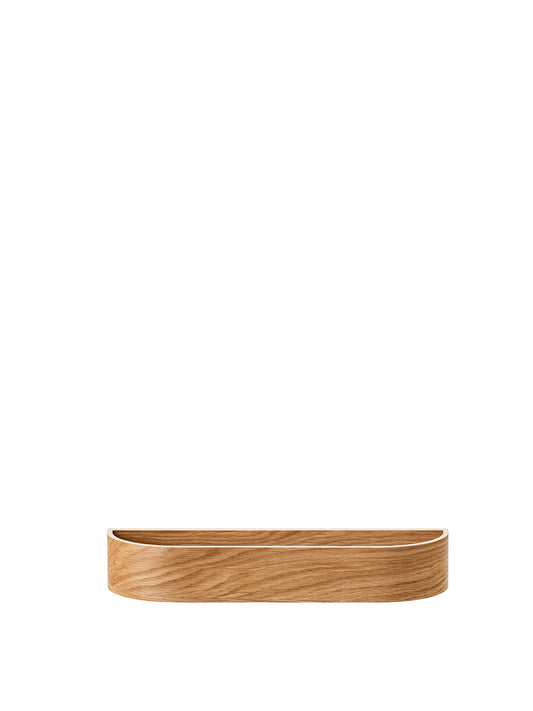
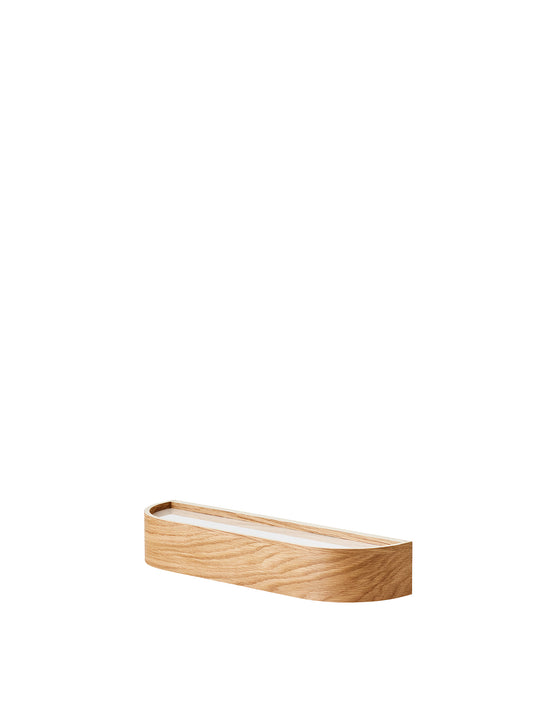
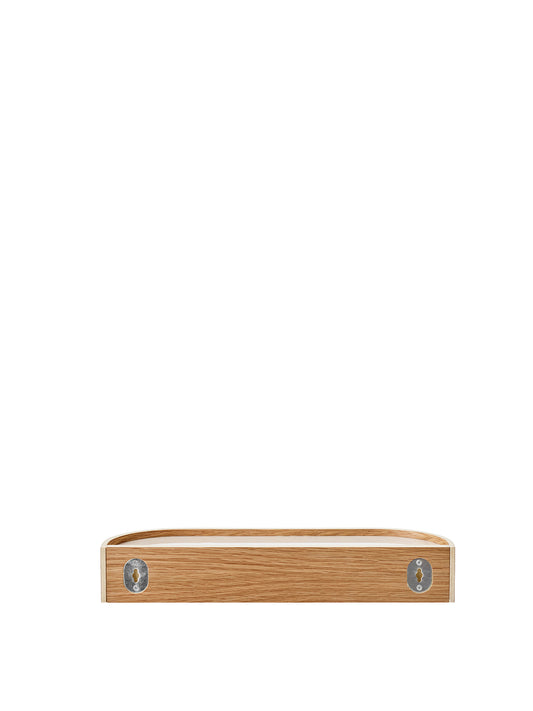
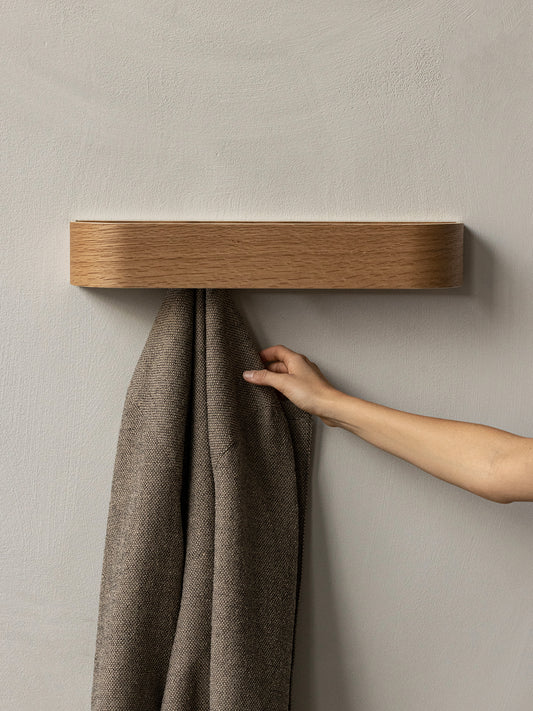
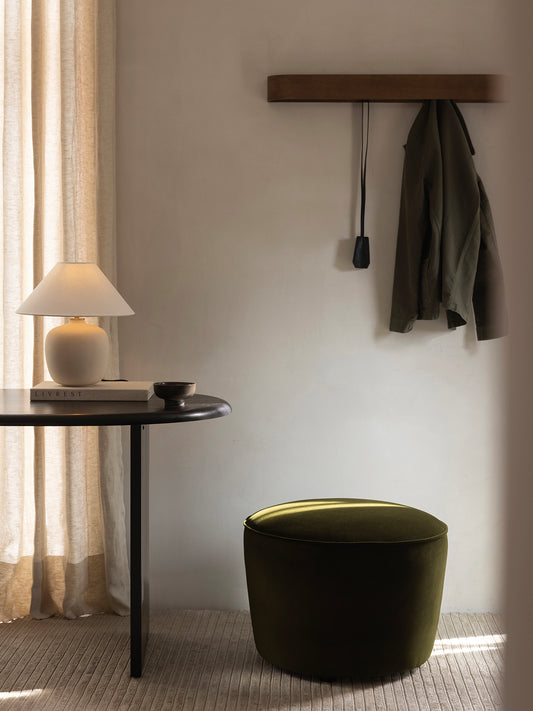
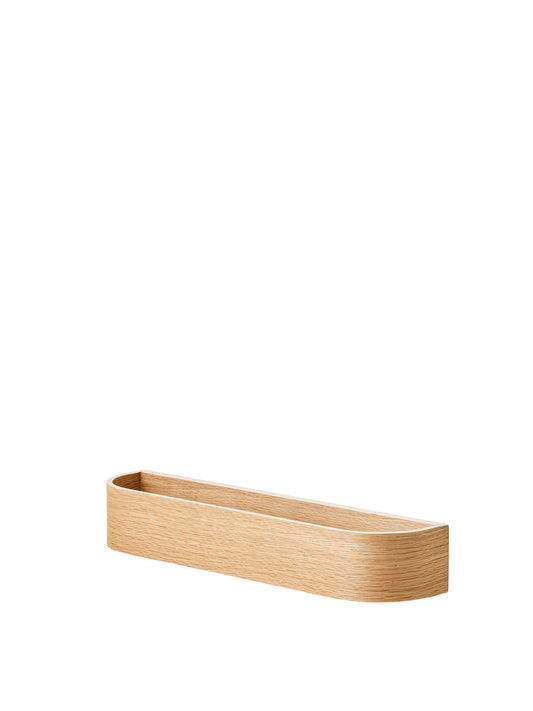
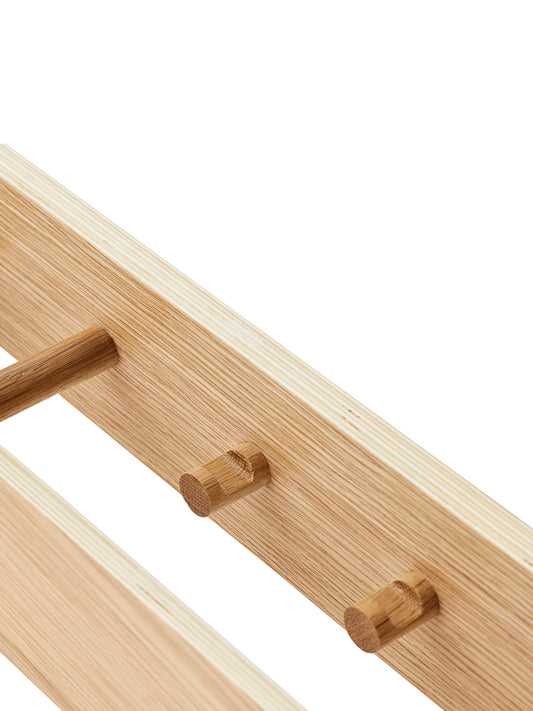
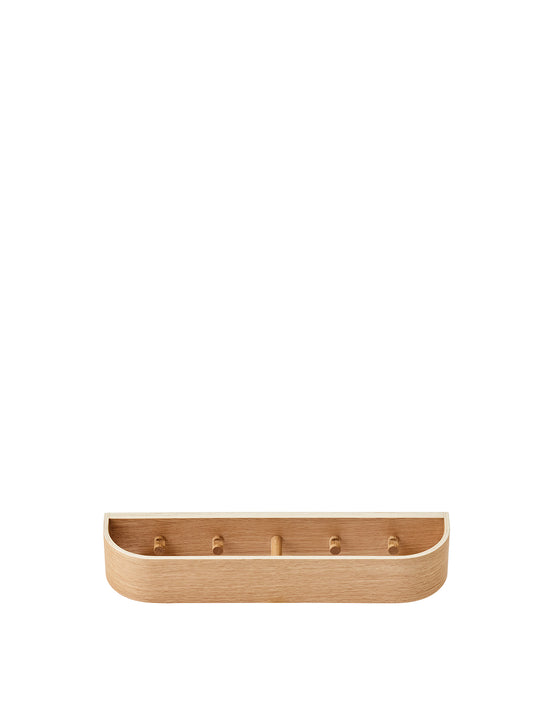
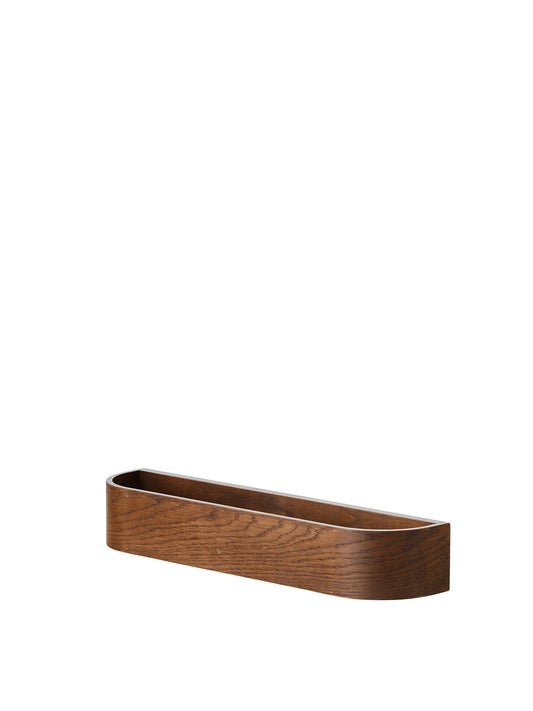
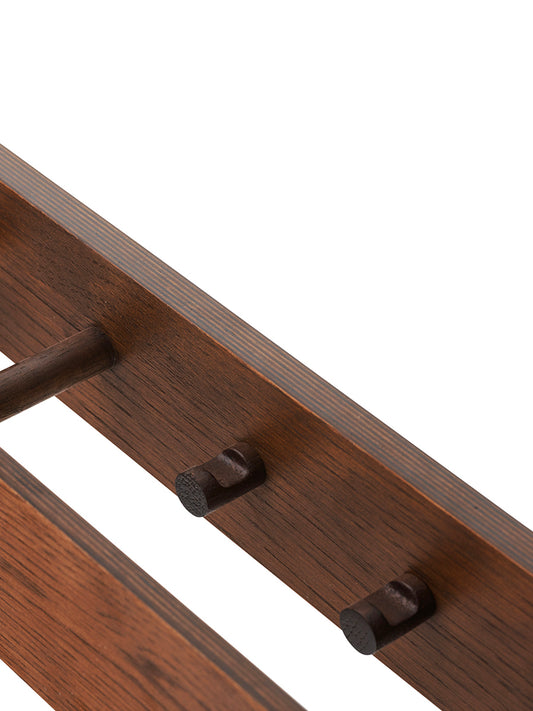
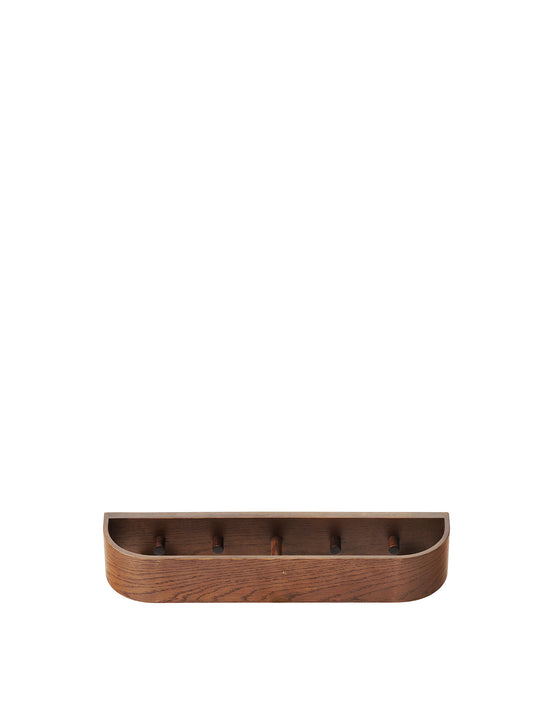
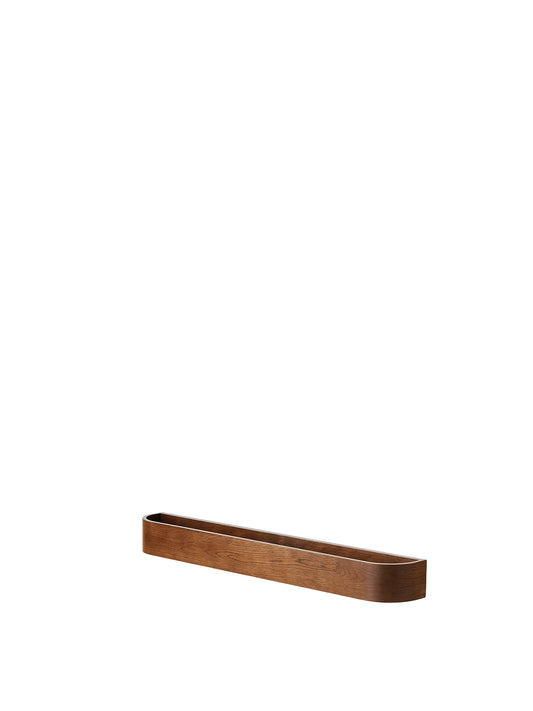
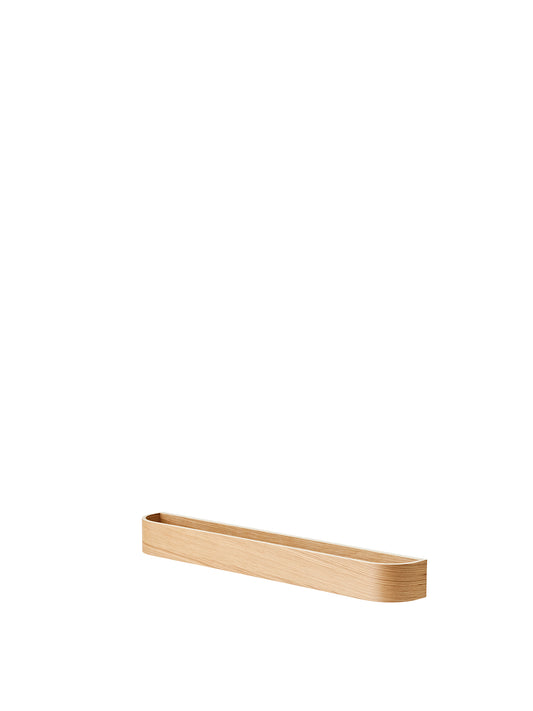
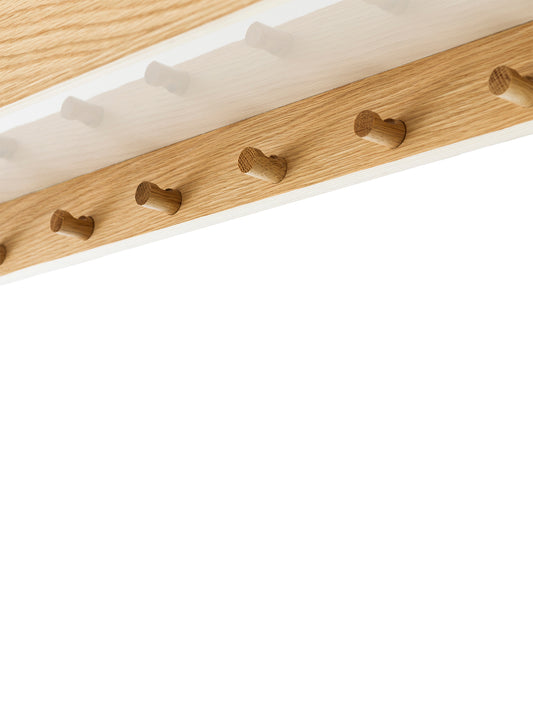
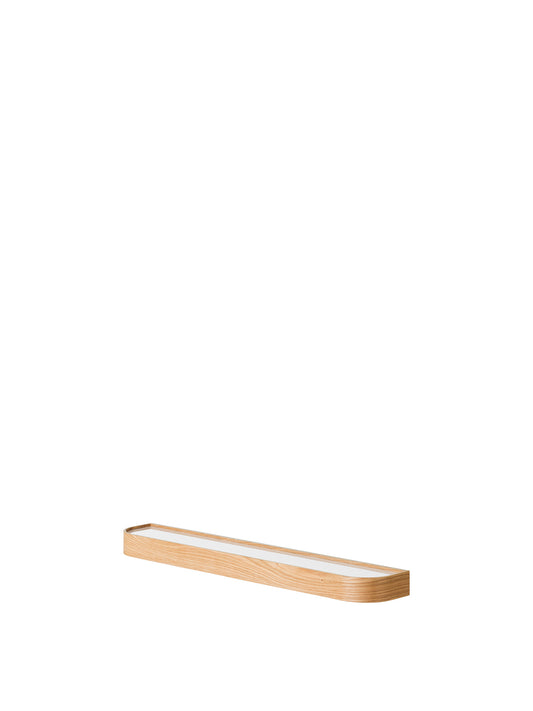
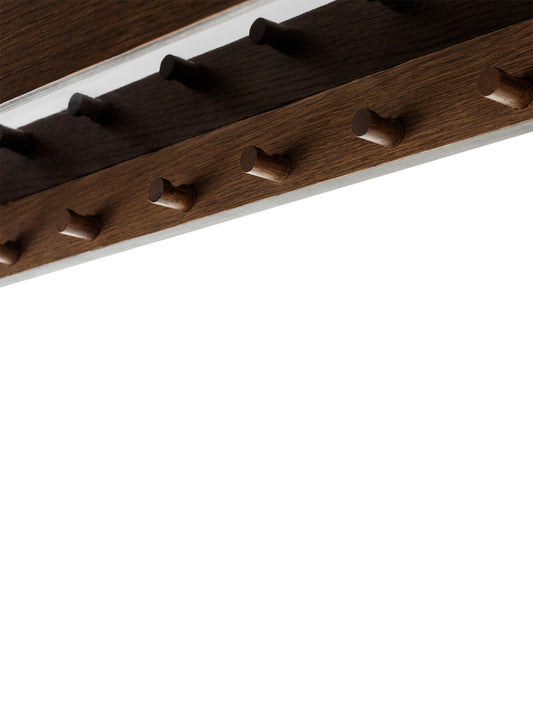
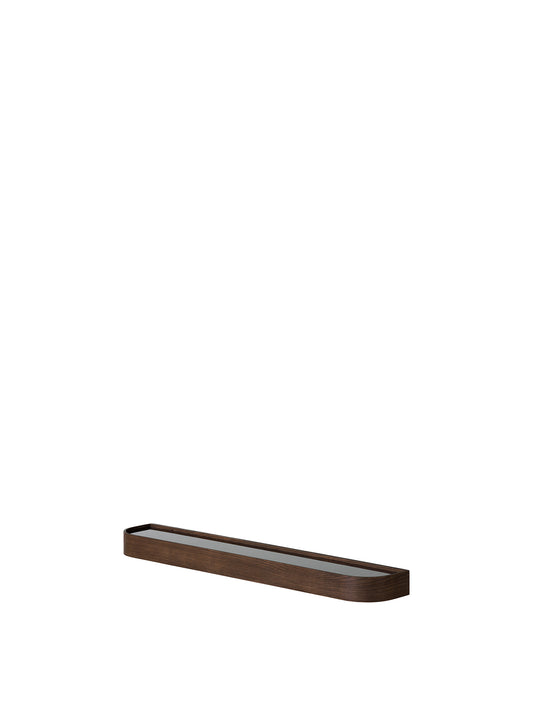
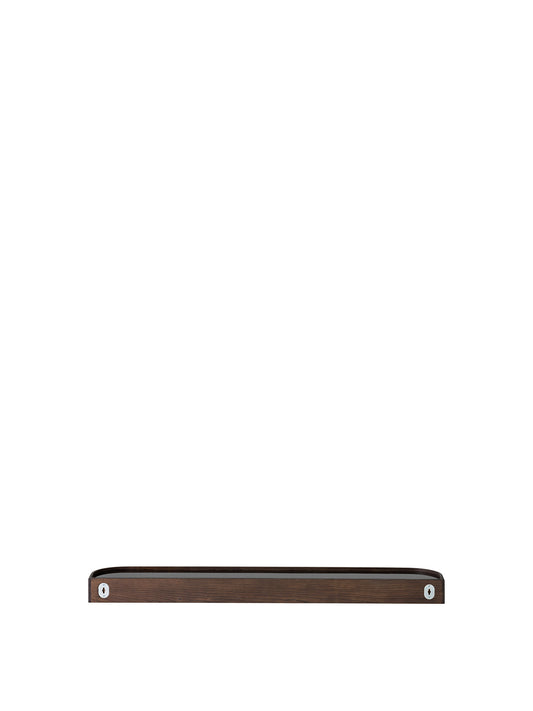
- Nina Bruun: Known for her refined sense of colour and proportion, Nina Bruun designs with simplicity and balance in mind. Her Epoch Shelf reflects this approach. Available in natural or dark stained oak, with a reversible design, it offers two distinct expressions in one considered form — practical, versatile and quietly elegant.
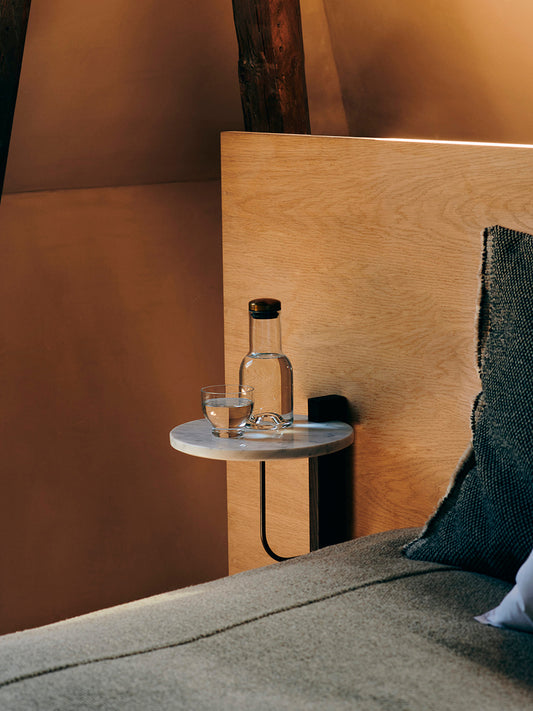
- Gridy: The Norwegian design studio Gridy is recognised for its playful yet precise approach. The Gridy Fungi Shelf, shaped like a small mushroom ledge, is compact and sculptural. Crafted in oak, it functions as a bedside shelf or a subtle display surface, bringing warmth and character to smaller spaces.
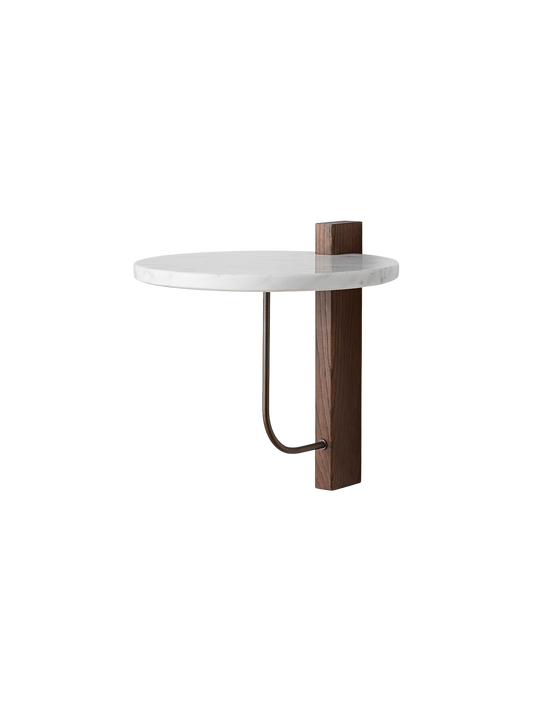
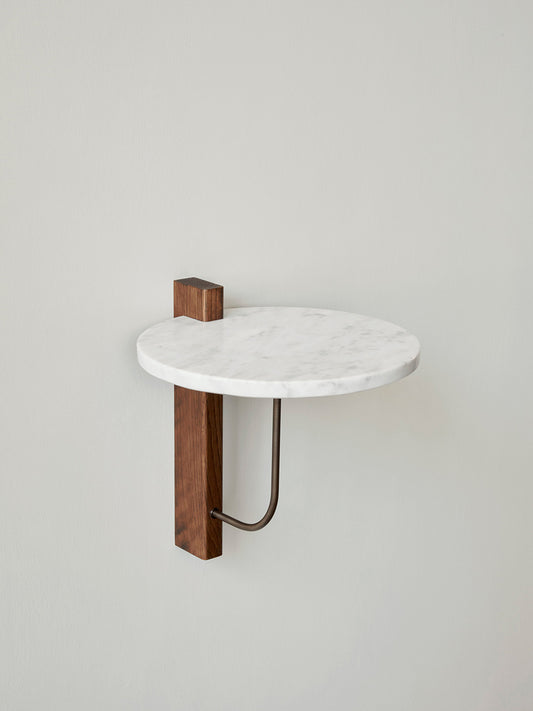
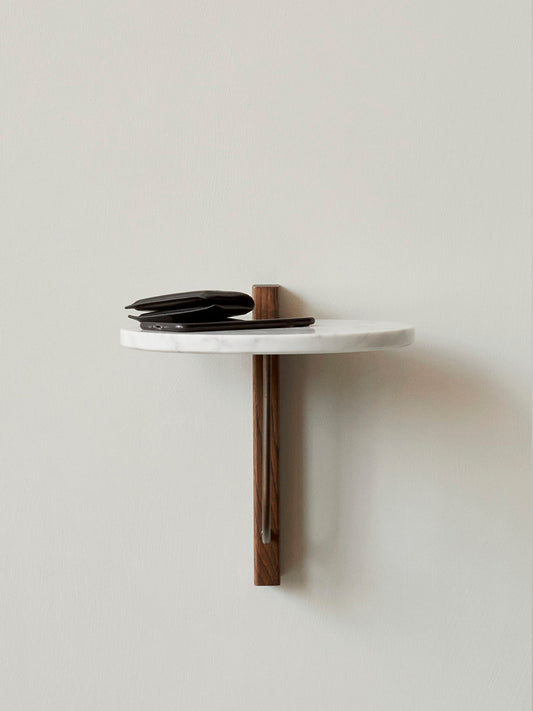
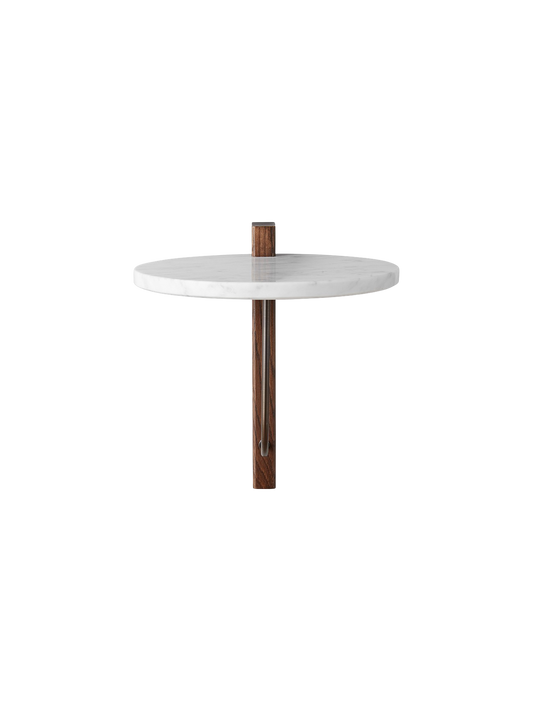
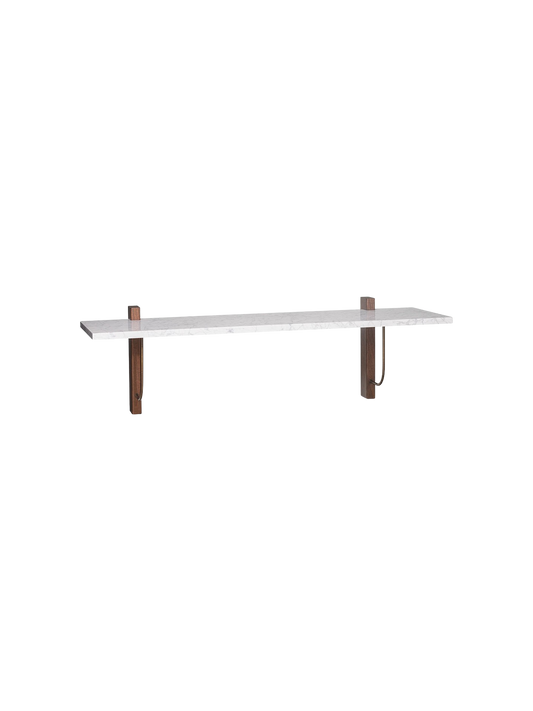
- Krøyer-Sætter-Lassen: Working at the intersection of architecture and furniture, the studio designed the Corbel Shelf. Combining marble, wood and metal, it reads as a small architectural gesture on the wall — structured, refined and timeless in its expression.
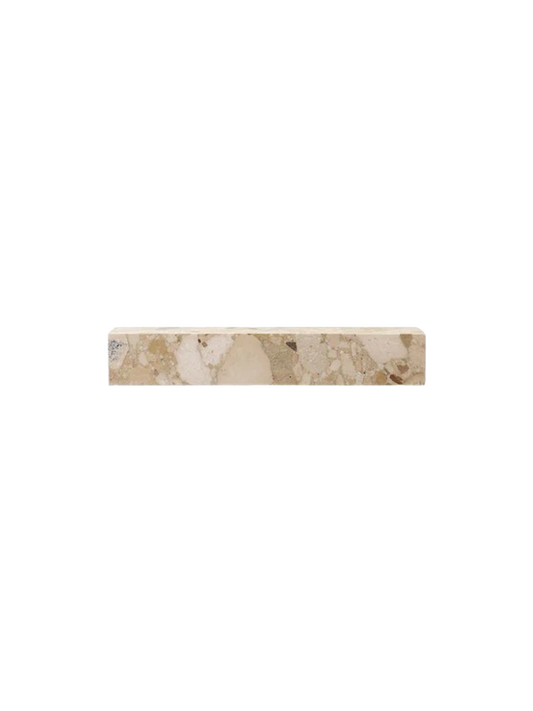
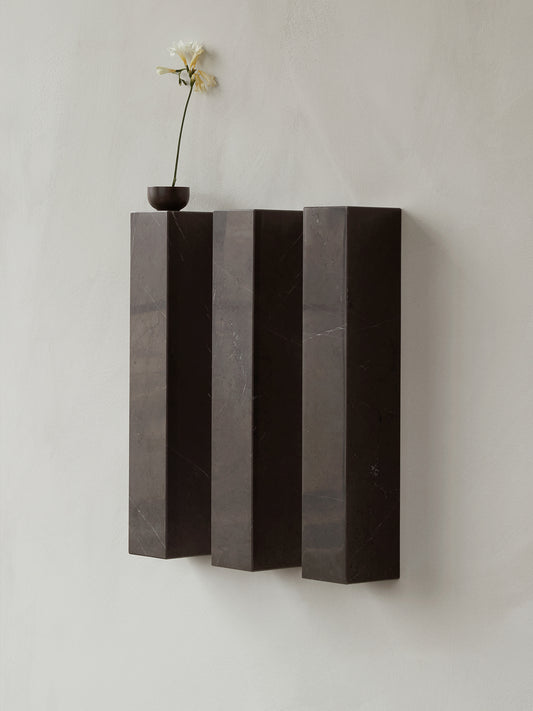
- Norm Architects: Rooted in Scandinavian minimalism, Norm Architects focus on calm spaces and lasting forms. The Plinth Shelf, crafted in marble or stone, extends the architectural language of the Plinth collection. Mounted horizontally or vertically, it creates a sculptural focal point with understated presence.
Choosing shelves that complement your spaces
Selecting the right shelves begins with understanding the room. Shelves should support the way you live while complementing the architecture and existing furniture. A considered choice ensures they feel integrated rather than added as an afterthought.
When choosing shelves, consider the following:
- Placement and proportion: Think about the wall size and ceiling height. A single marble shelf can create a strong focal point, while a series of wooden shelves can build rhythm across a larger wall.
- Material and atmosphere: Stone and marble add weight and permanence. Wood introduces warmth. Metal details lend precision. Choose materials that echo other elements in the room.
- Function and load: Consider what the shelves will hold. Books require deeper, sturdier solutions, while smaller objects allow for lighter, more minimal designs.
- Vertical or horizontal orientation: Some shelves can be mounted in different directions. This flexibility allows you to respond to the proportions of the space.
When carefully selected, they create order, display personal objects with intention and contribute to a balanced, enduring interior.