Sofas as the architectural centre of the living space
A sofa shapes the way a room is experienced. Placed at the heart of the living space, it anchors the layout and brings structure to all of the surrounding elements. Sofas help shape how a room is used — whether it feels open and social or calm and more private. They influence how we sit together, relax, and move around the space.
Proportions are essential. A generously scaled sofa can create a sense of calm in larger spaces, while a more compact design lends balance to smaller settings. Beyond size, comfort plays a decisive role. The depth of the seat, the height of the backrest and the softness of the upholstery all influence how a space feels over time. If it is thoughtfully chosen, a sofa becomes the architectural centre of everyday living.
Modular and tailored sofas for flexible spaces
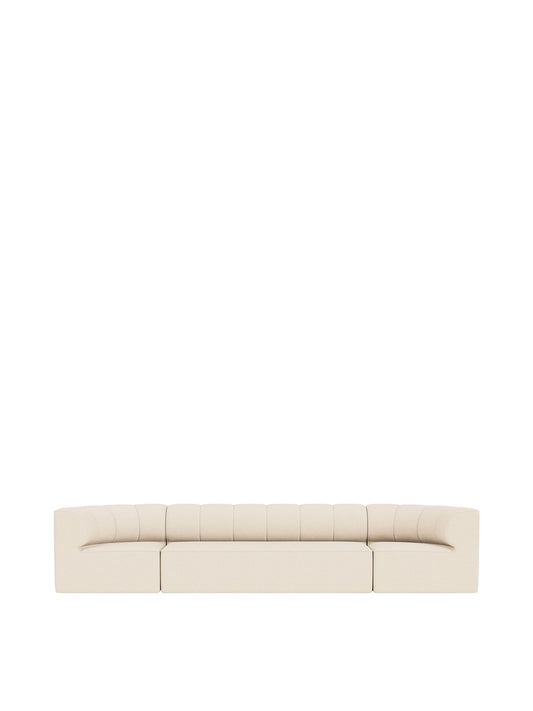
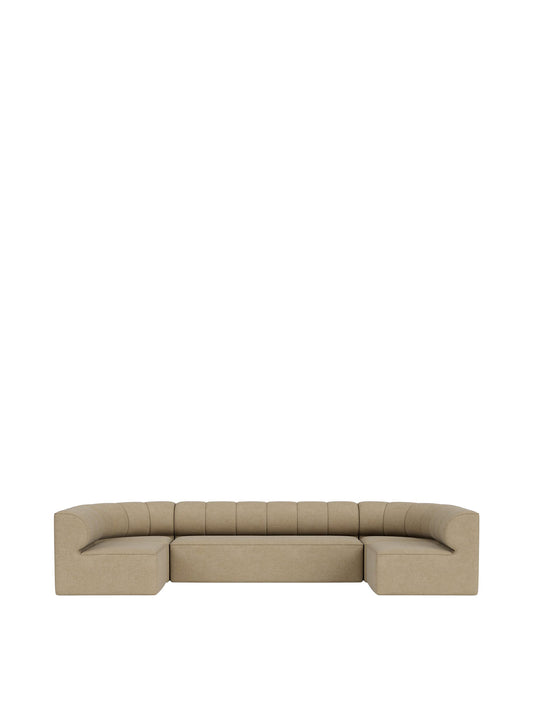
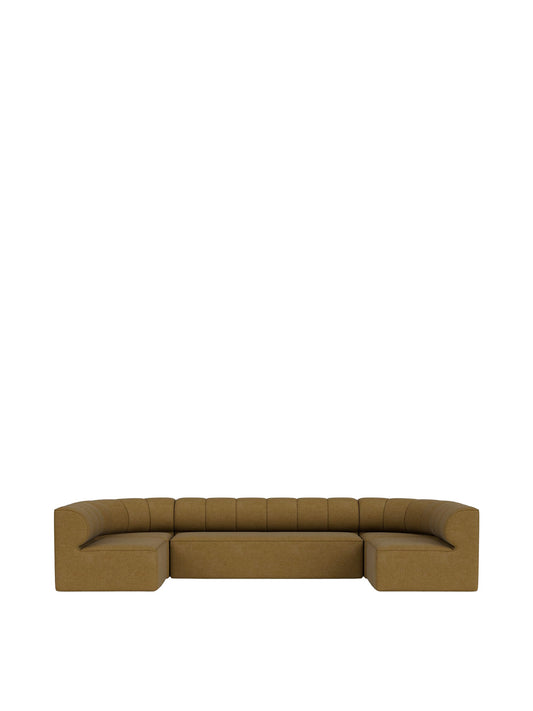
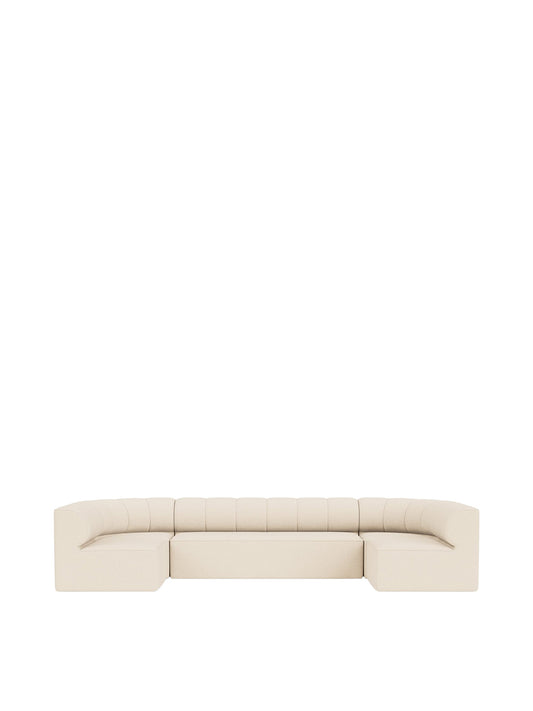
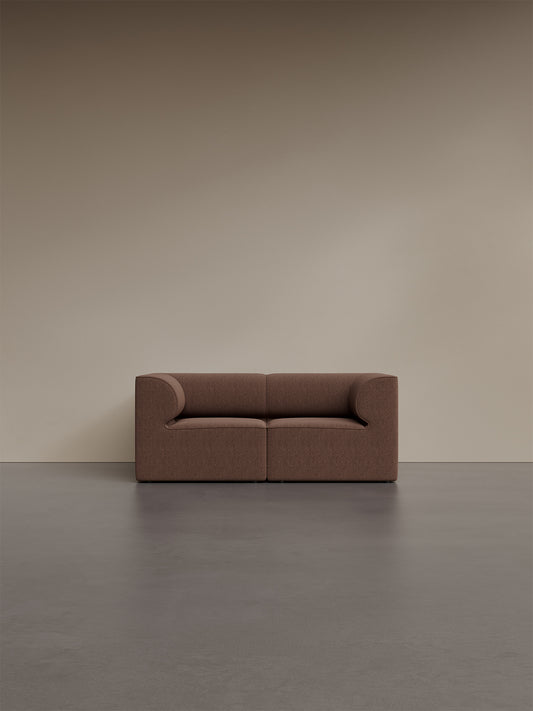
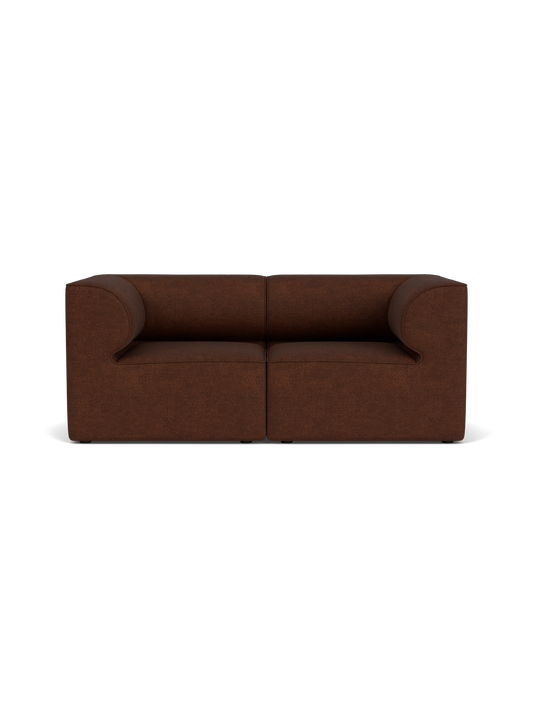
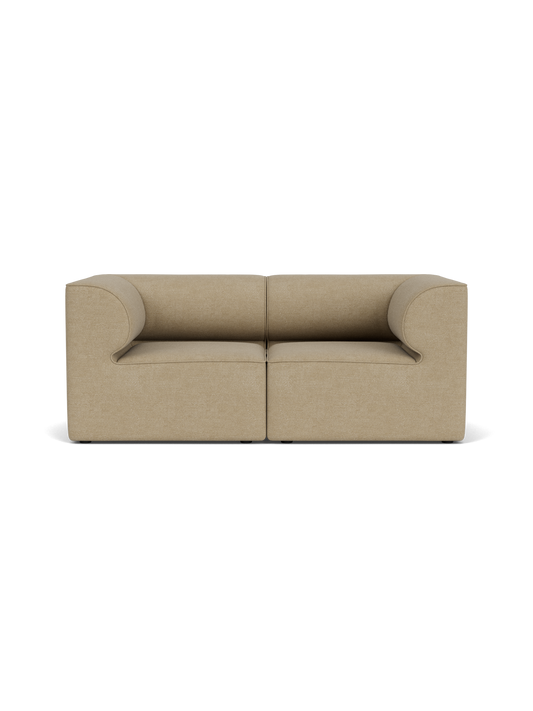
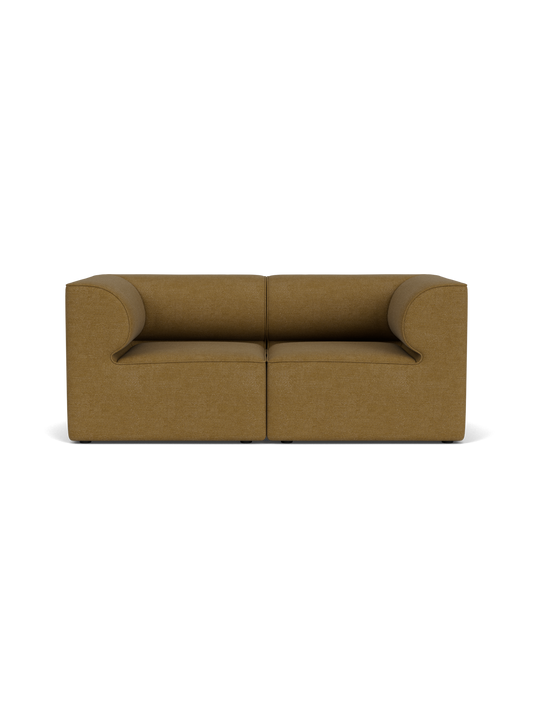
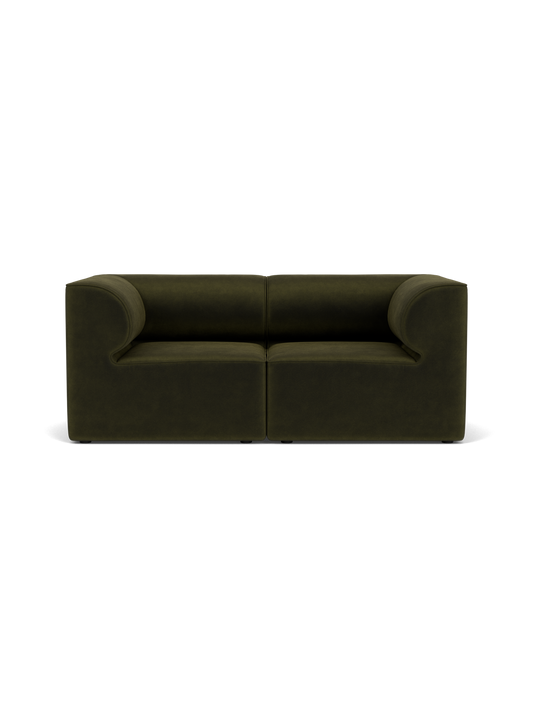
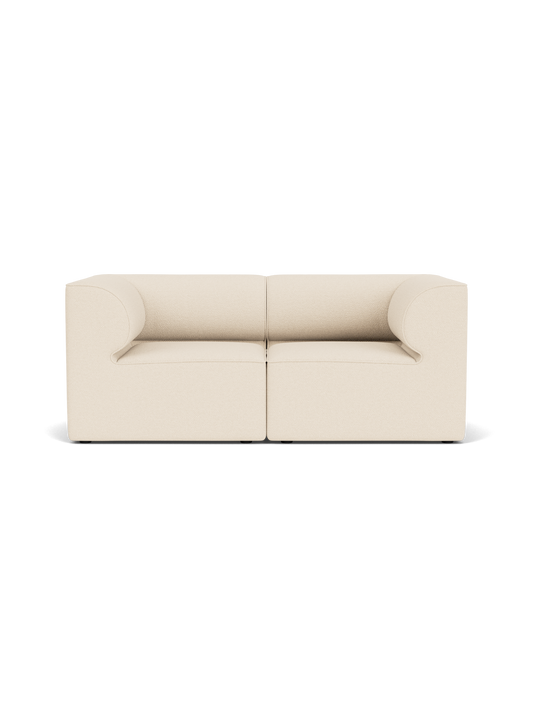
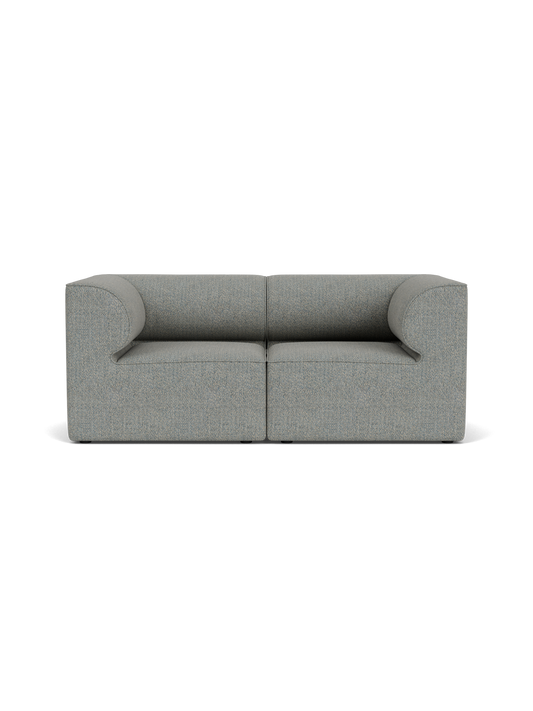
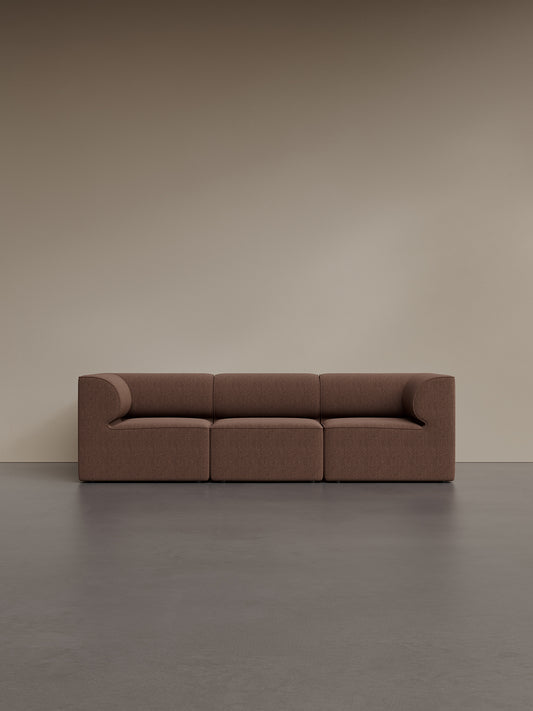
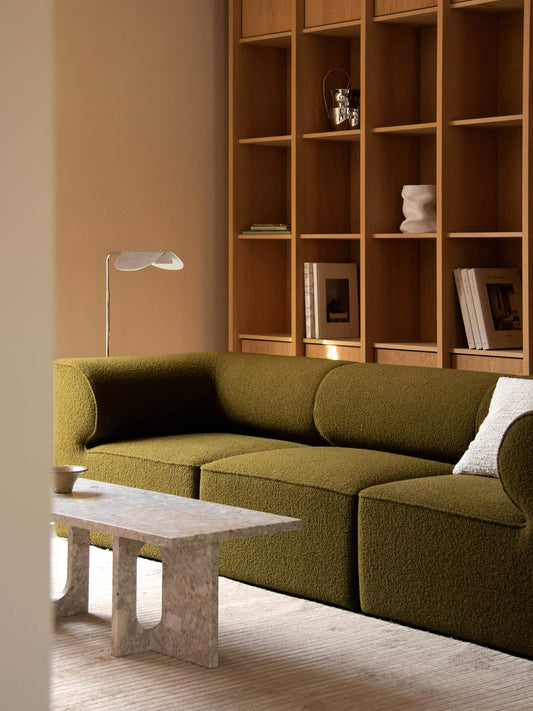
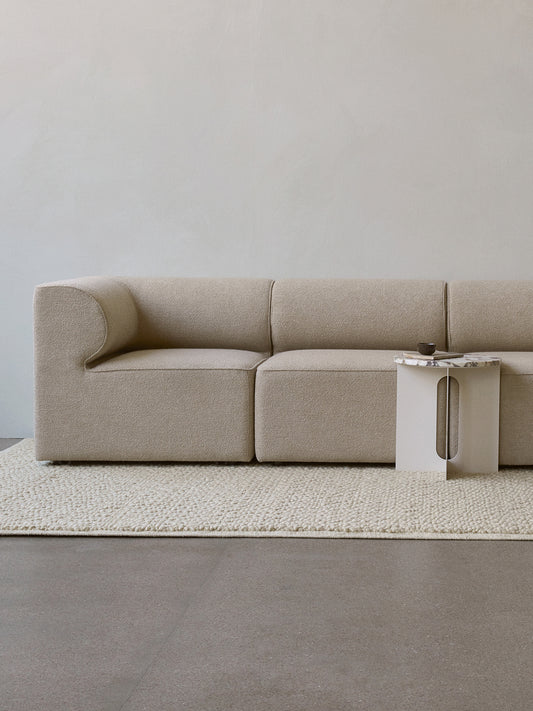
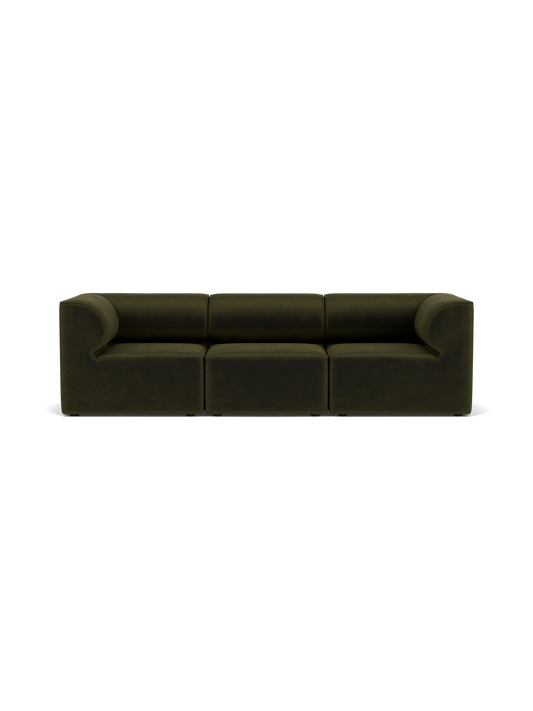
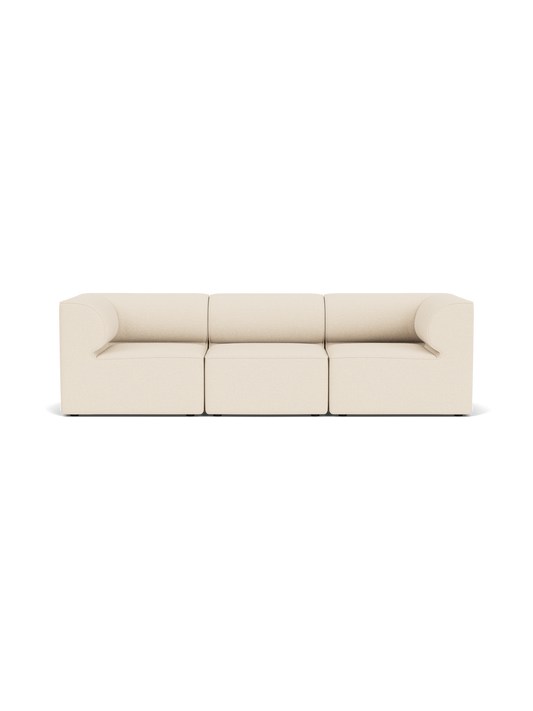
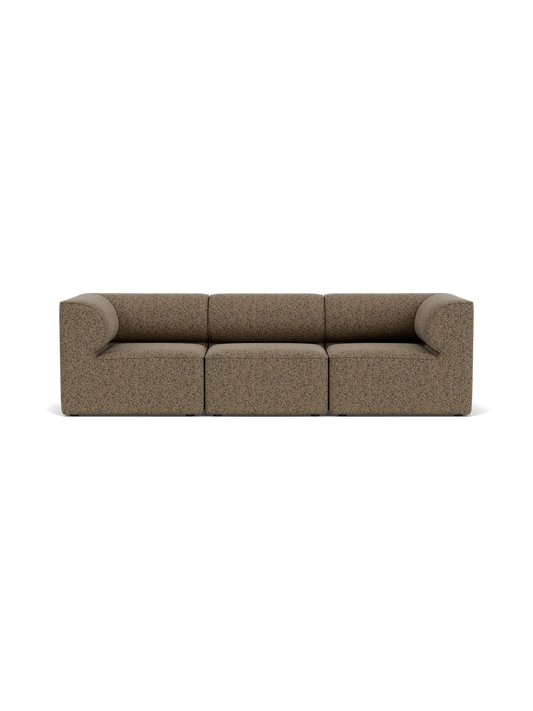
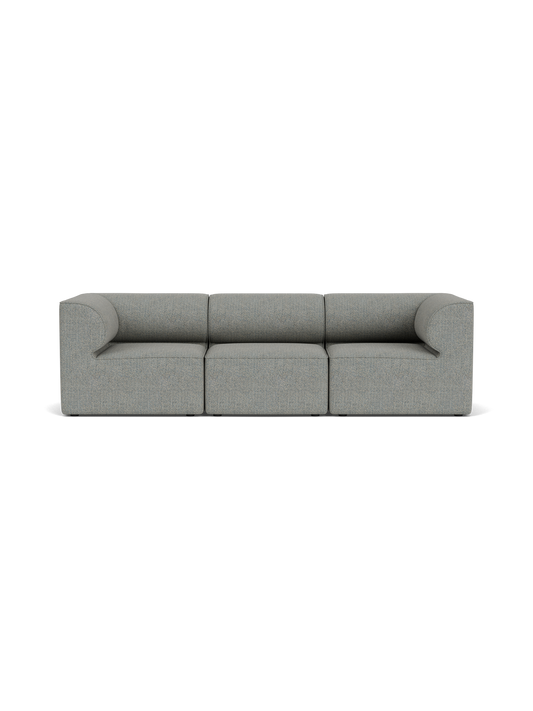
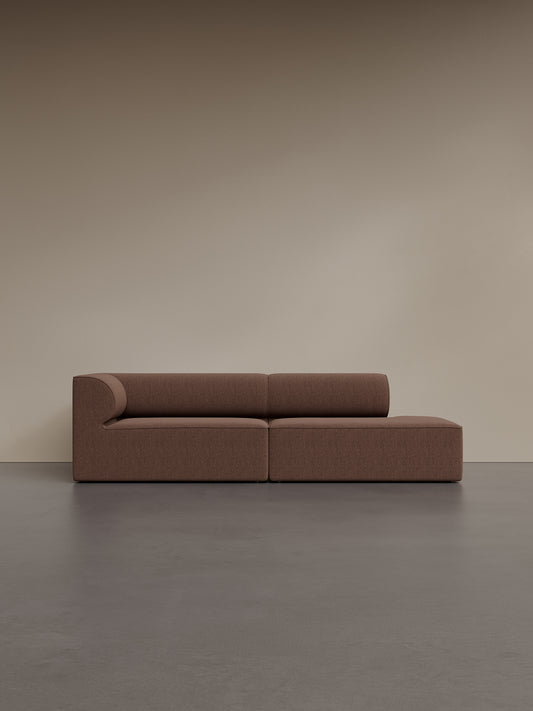
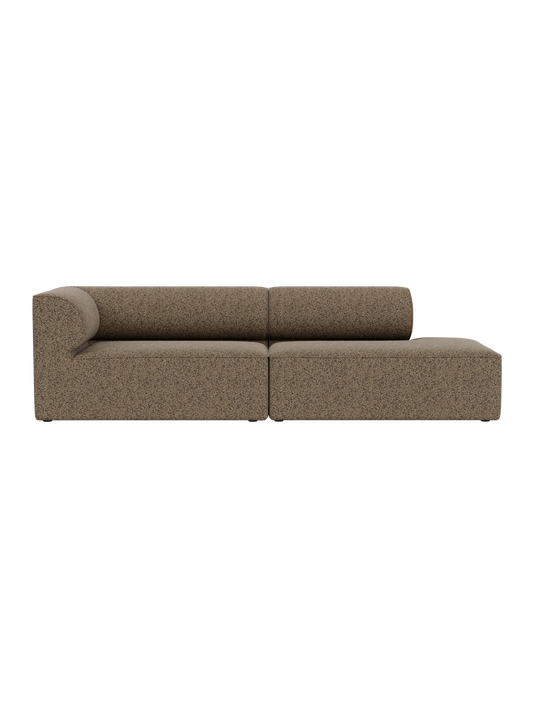
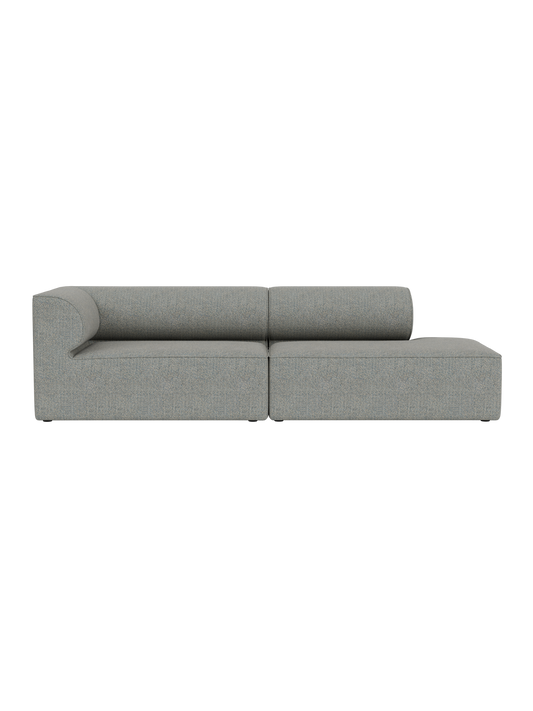
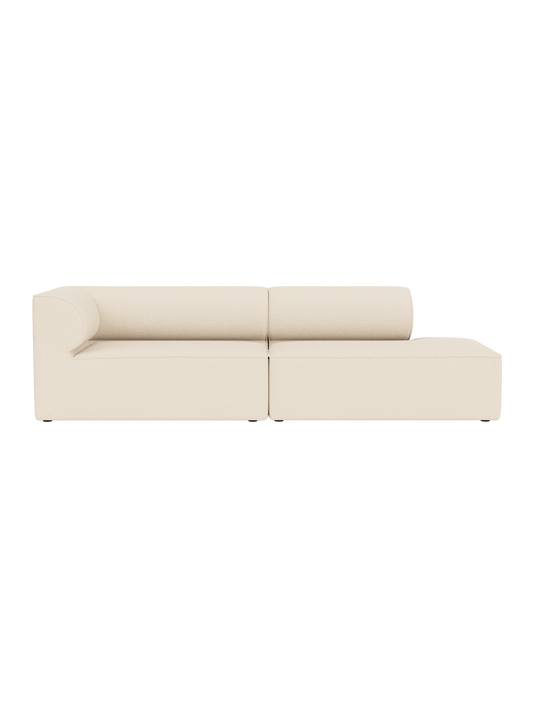
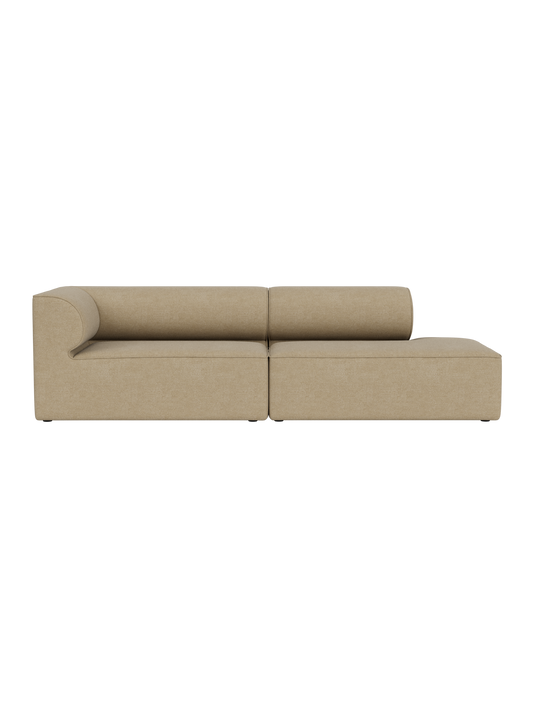
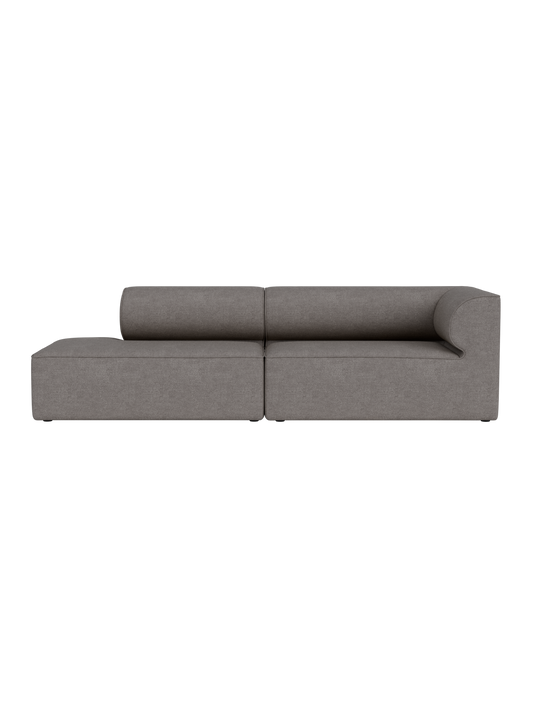
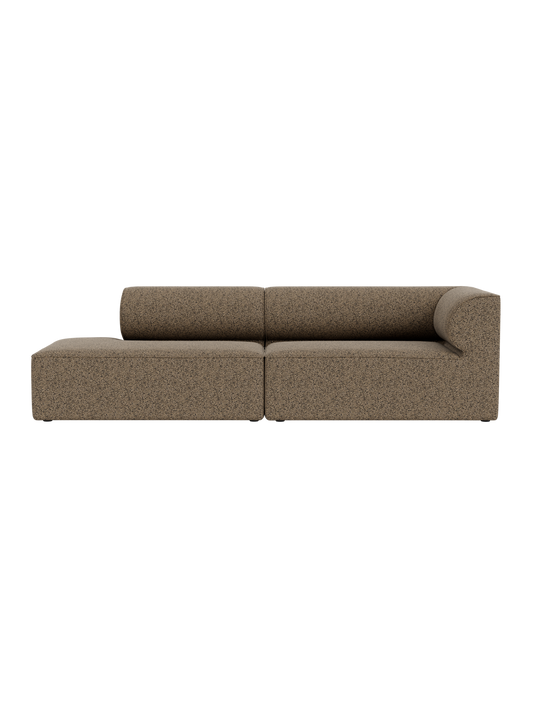
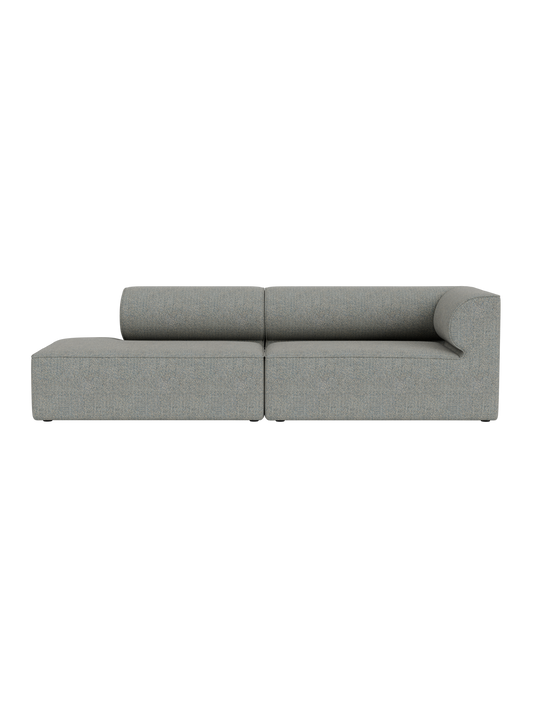
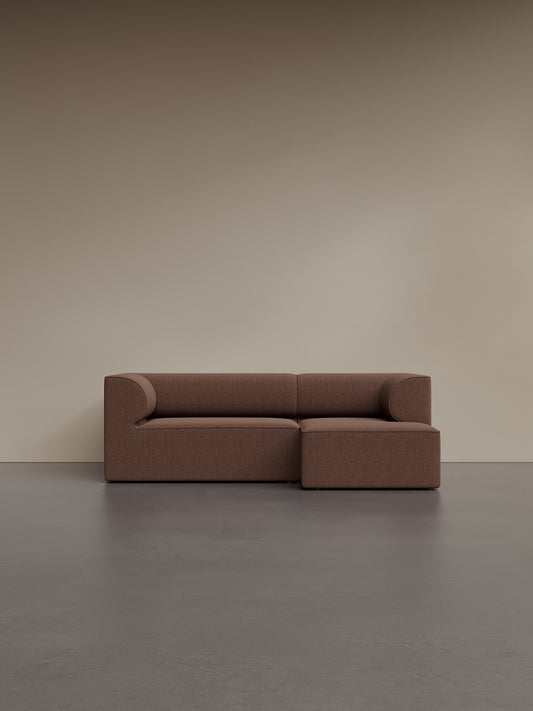
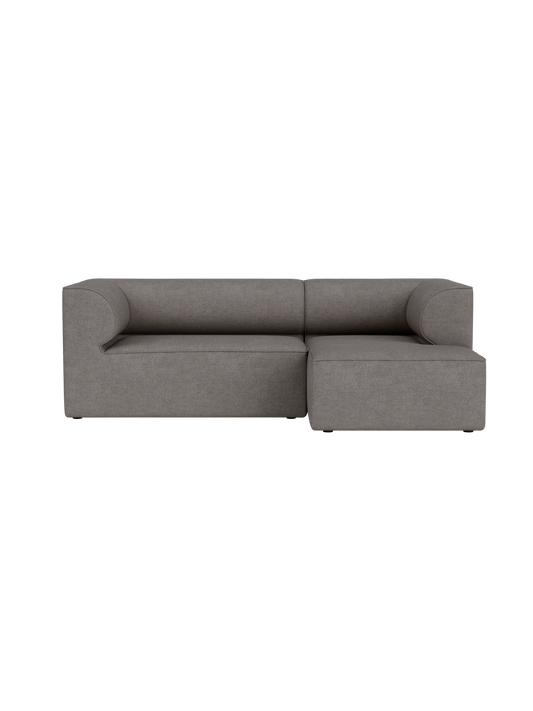
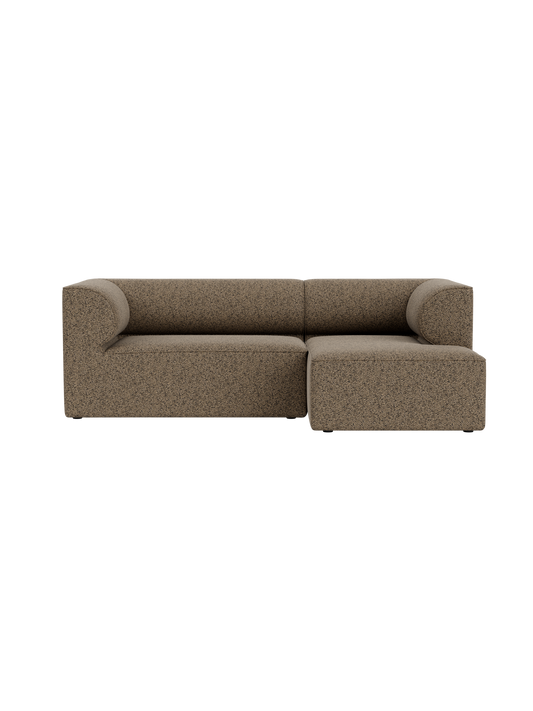
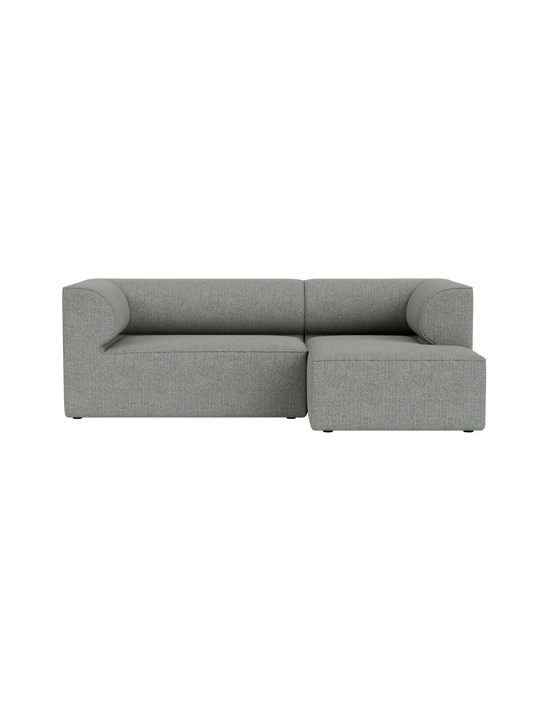
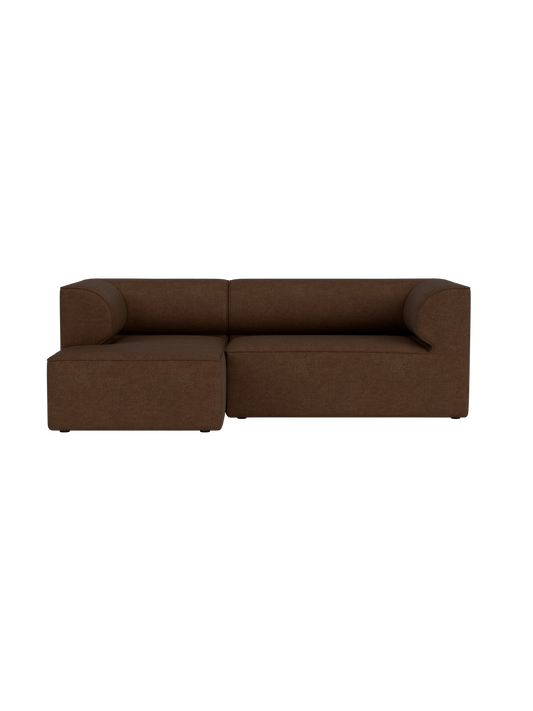
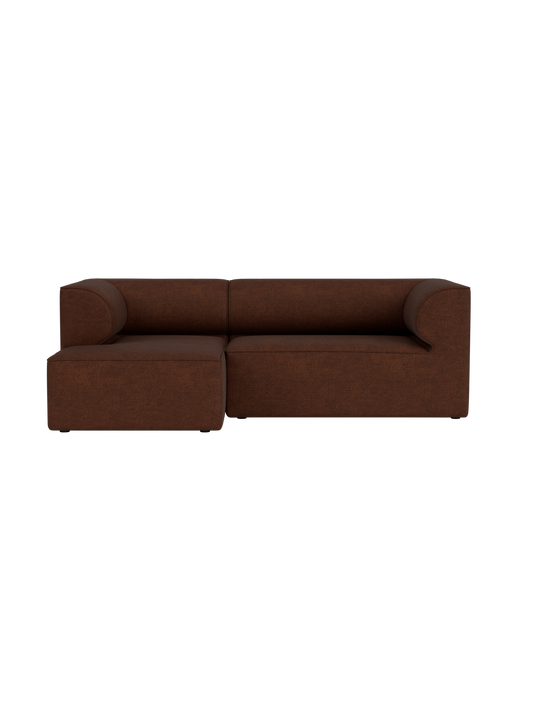
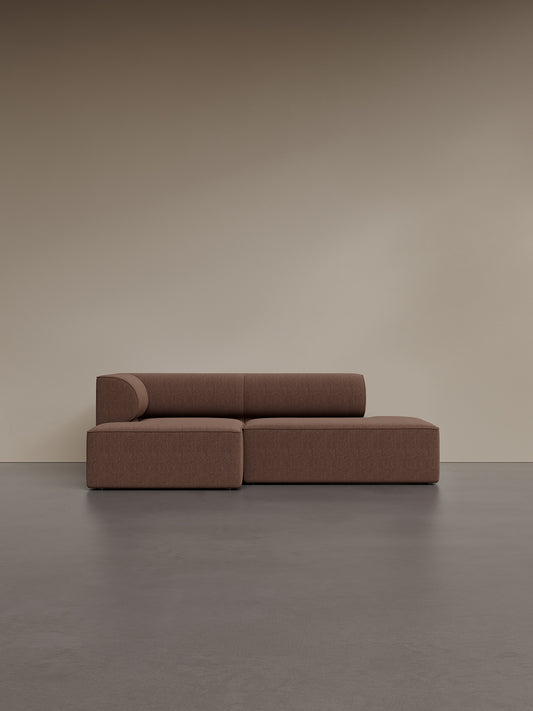
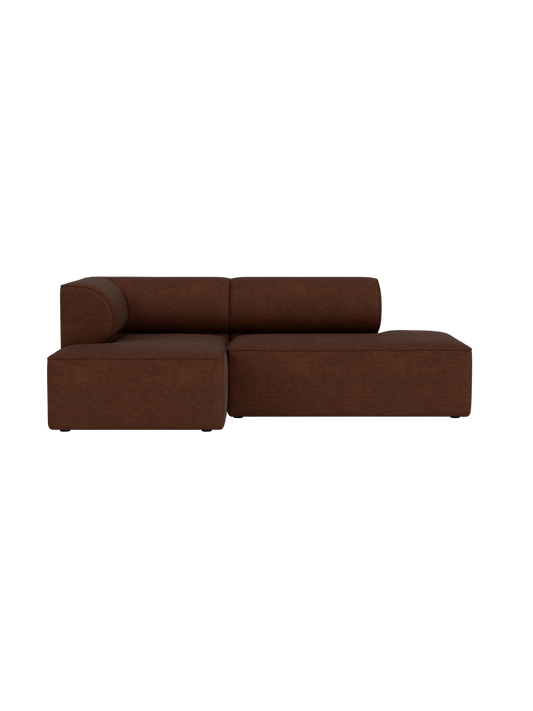
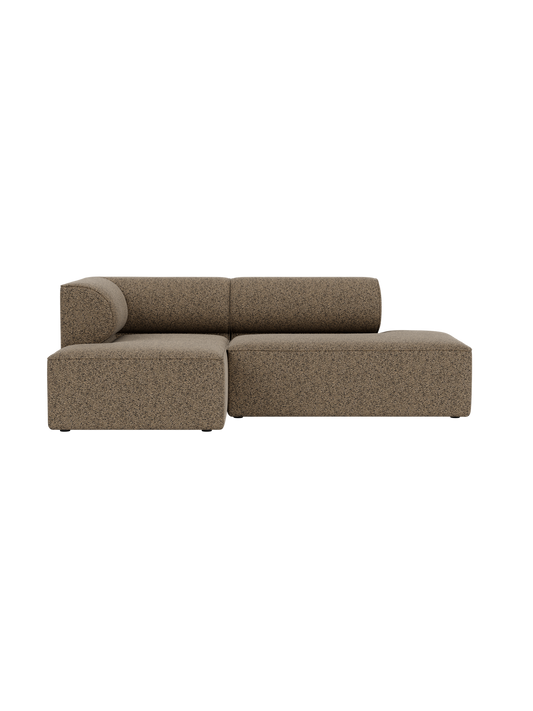
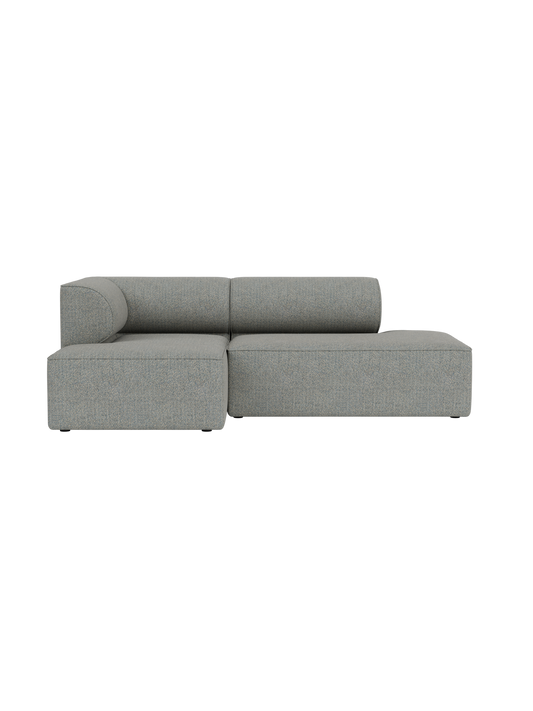
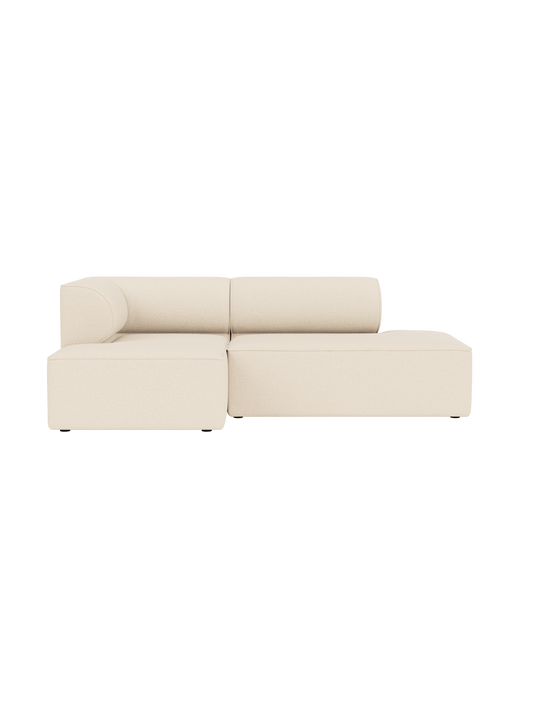
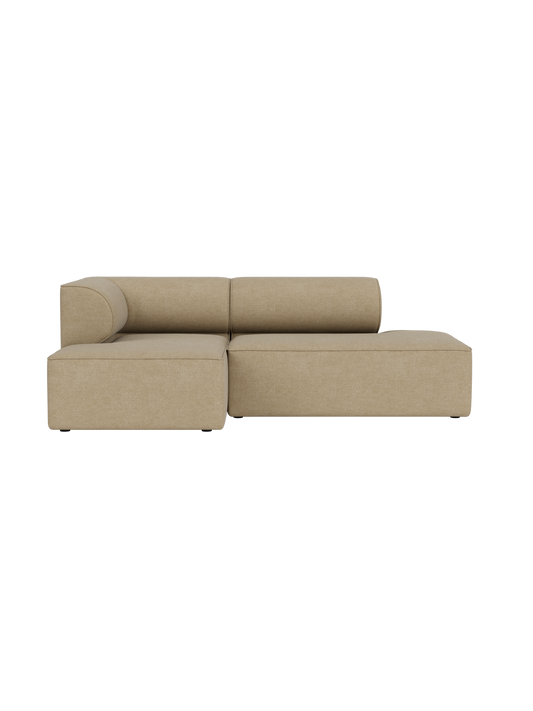
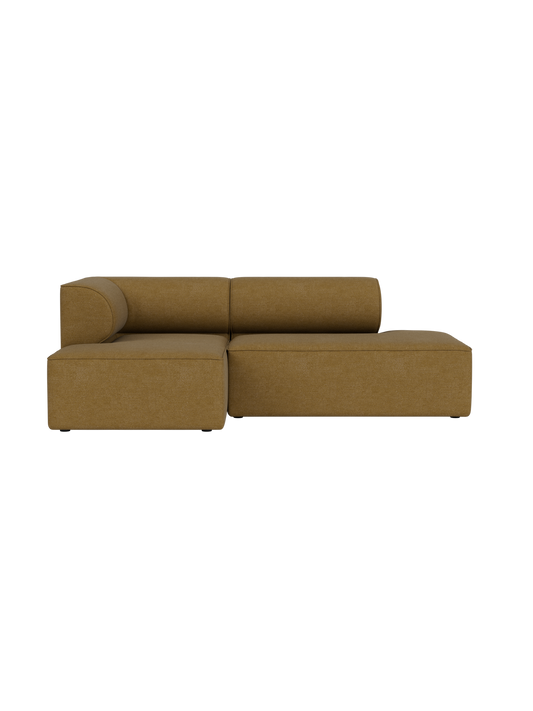
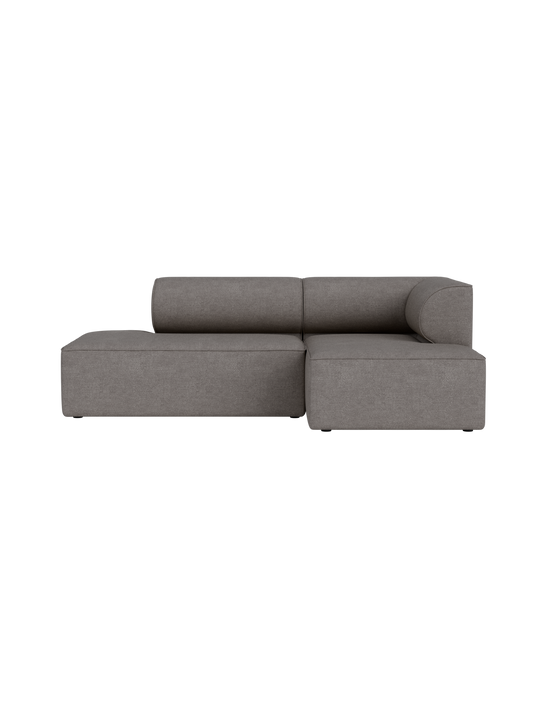
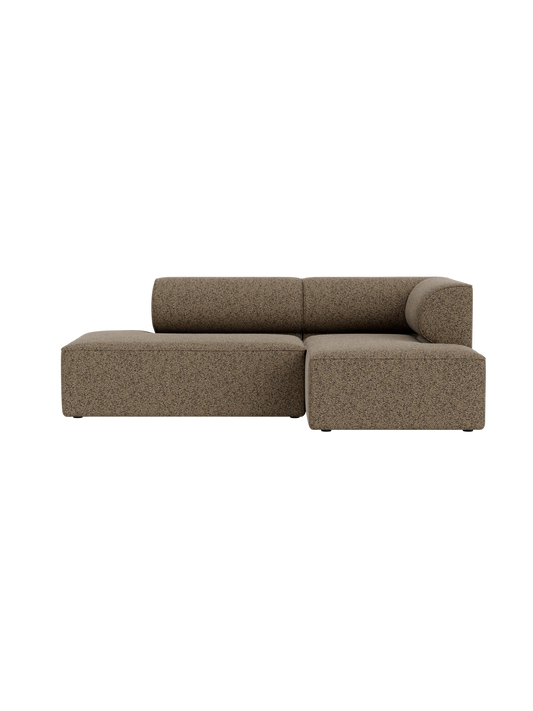
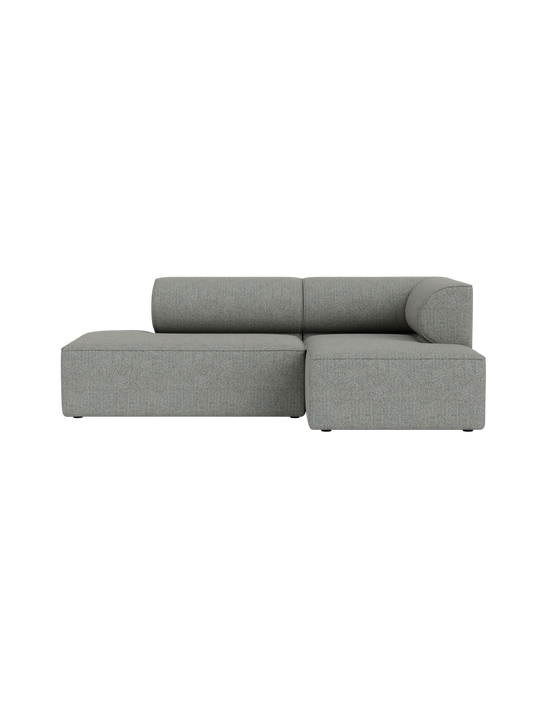
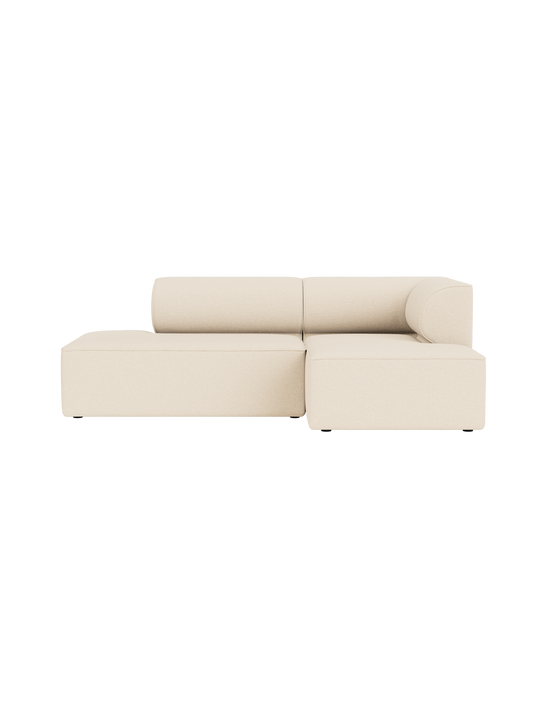
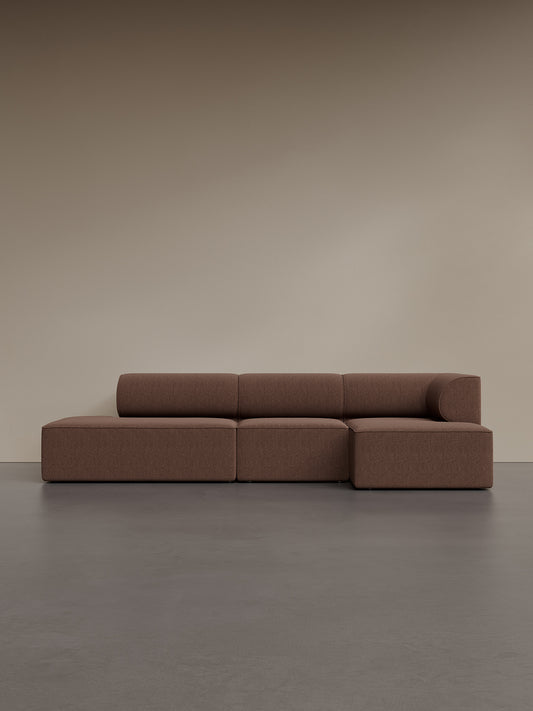
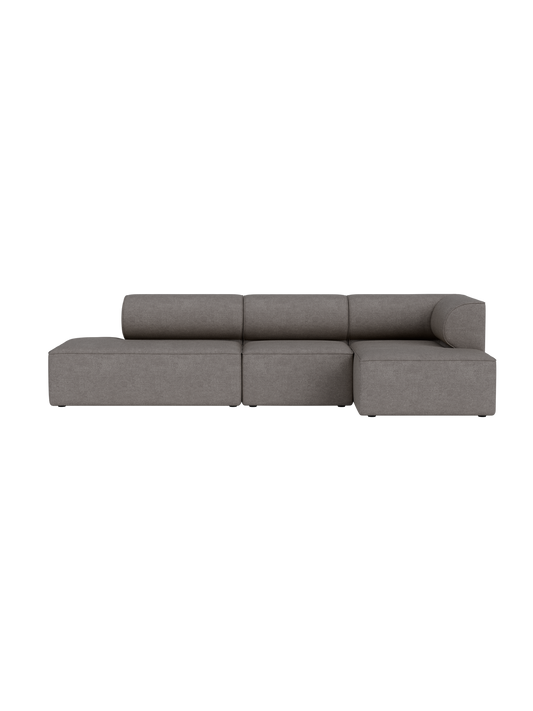
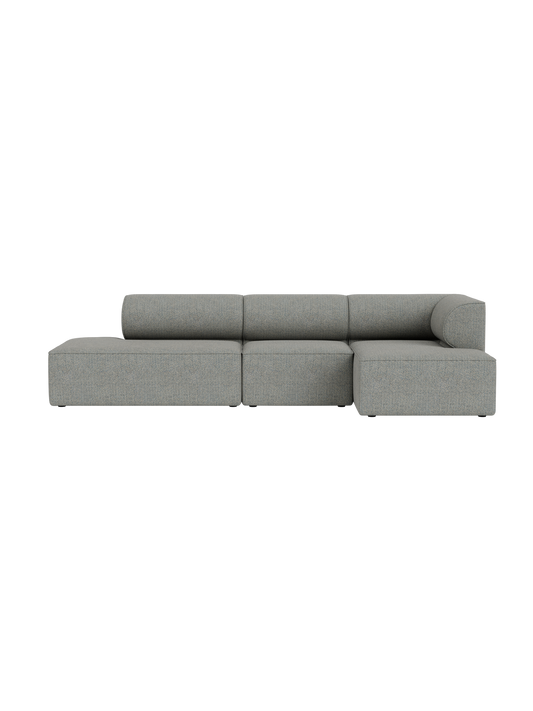
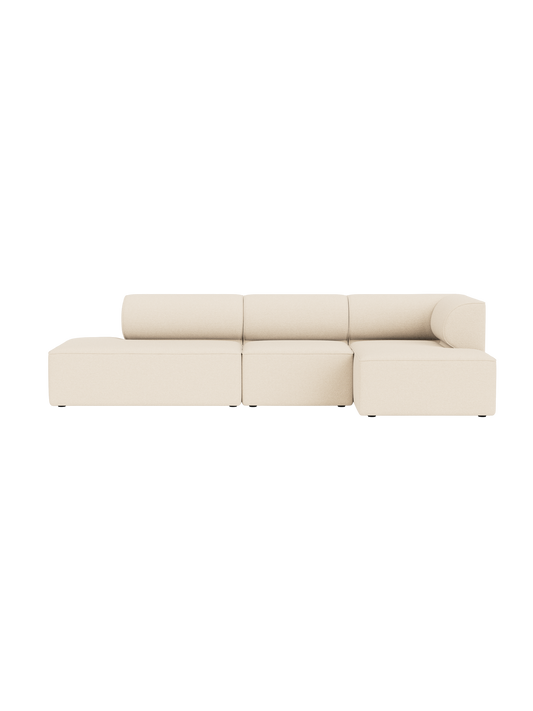
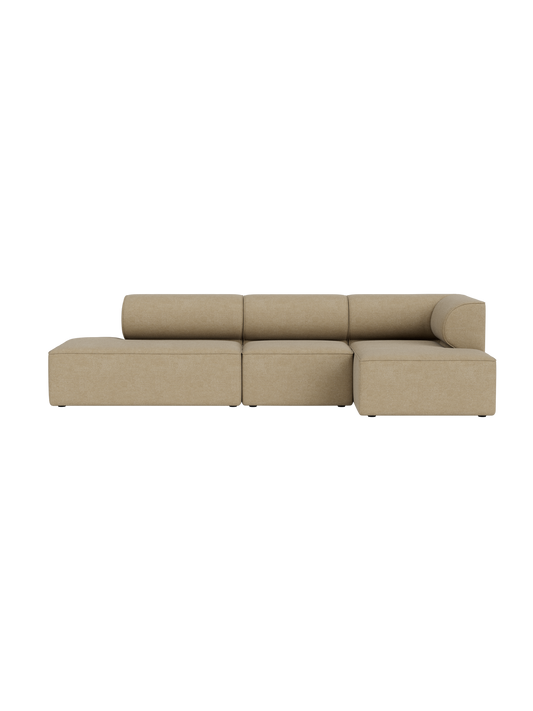
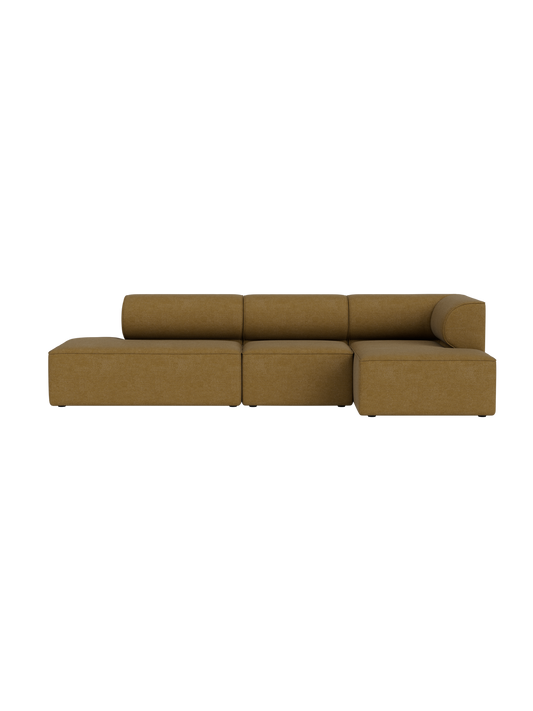
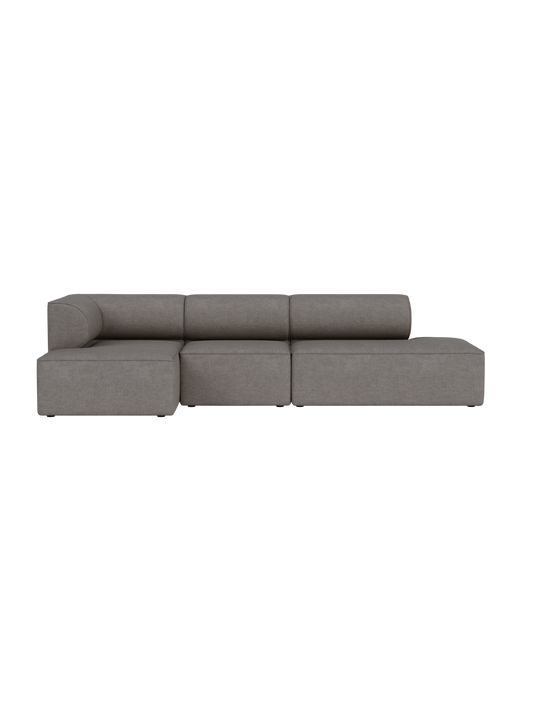
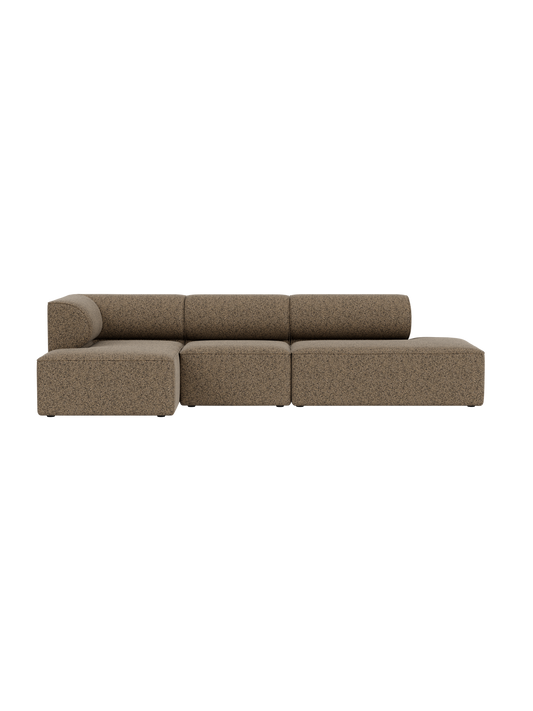
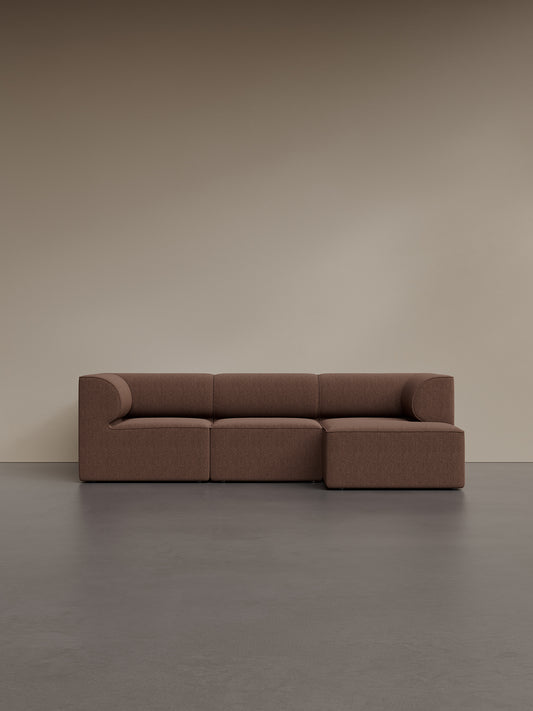
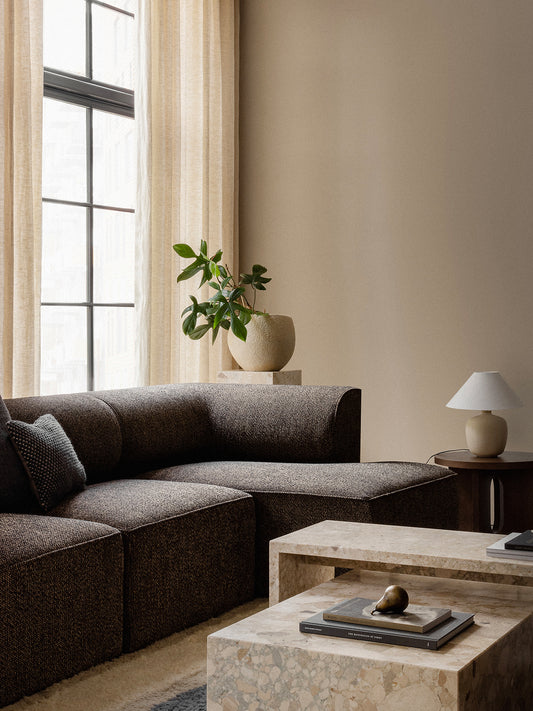
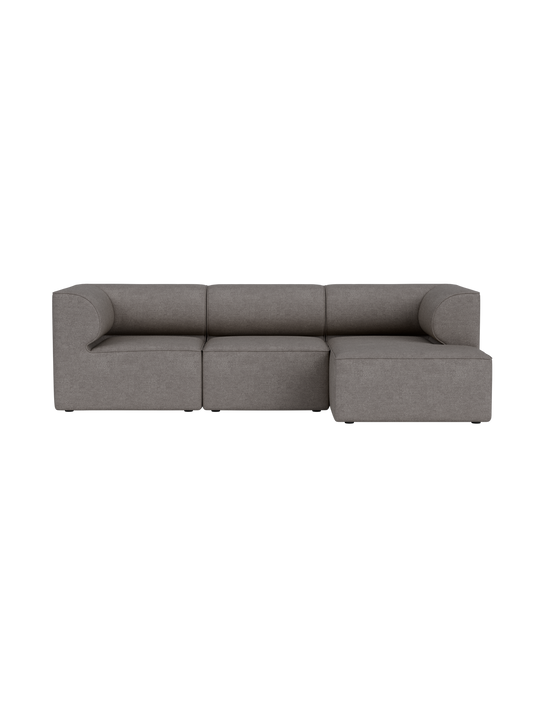
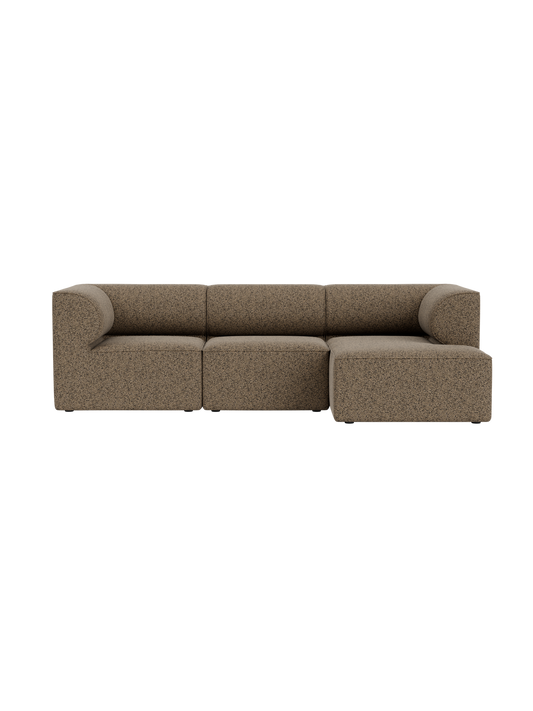
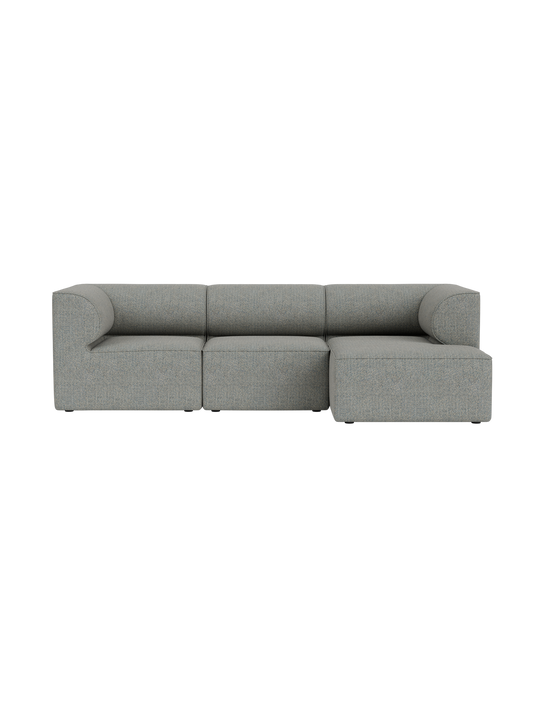
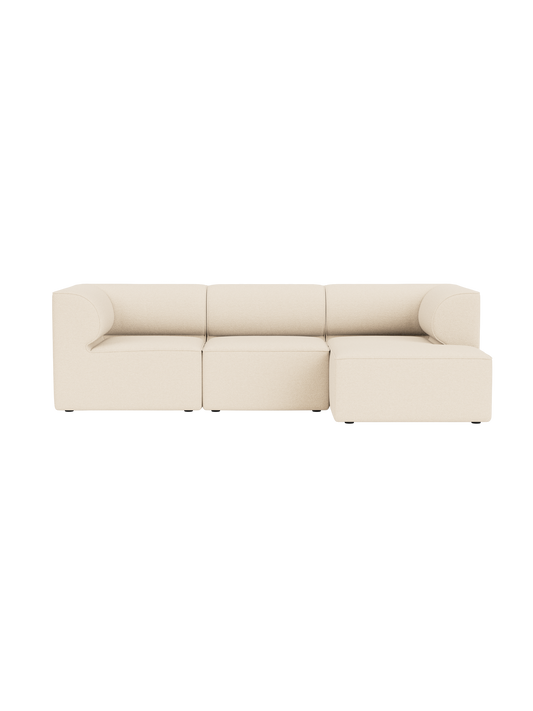
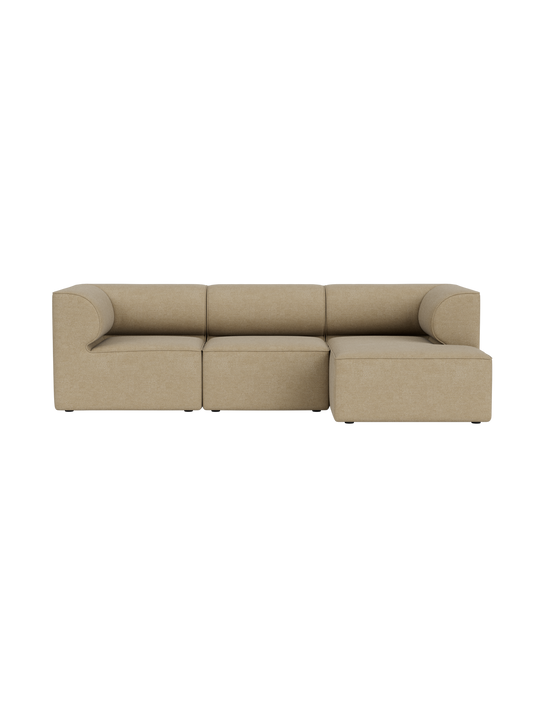
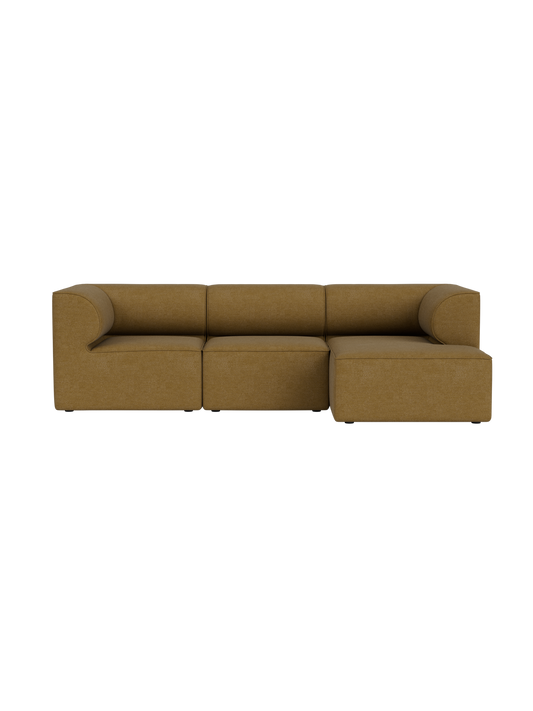
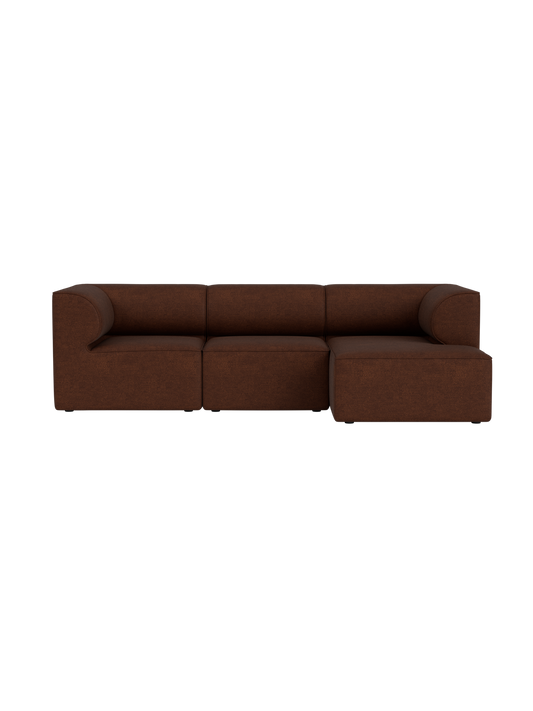
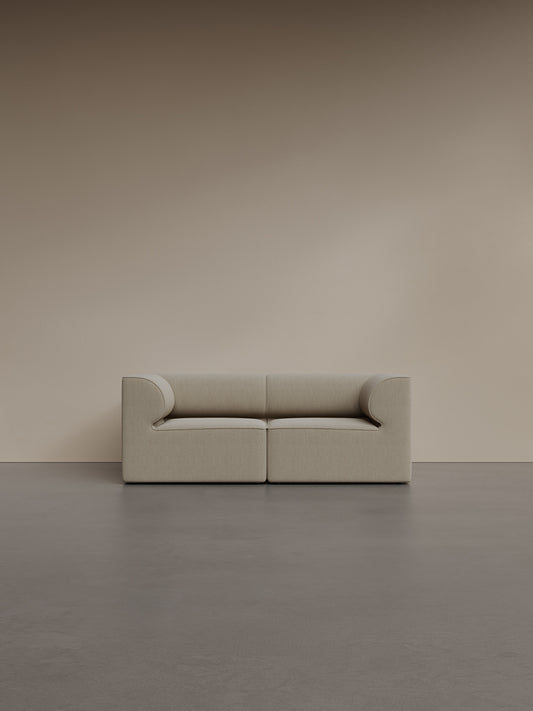
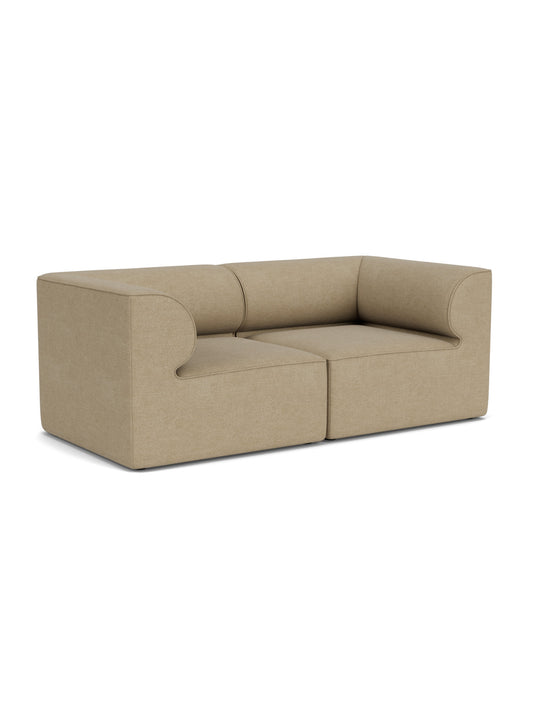
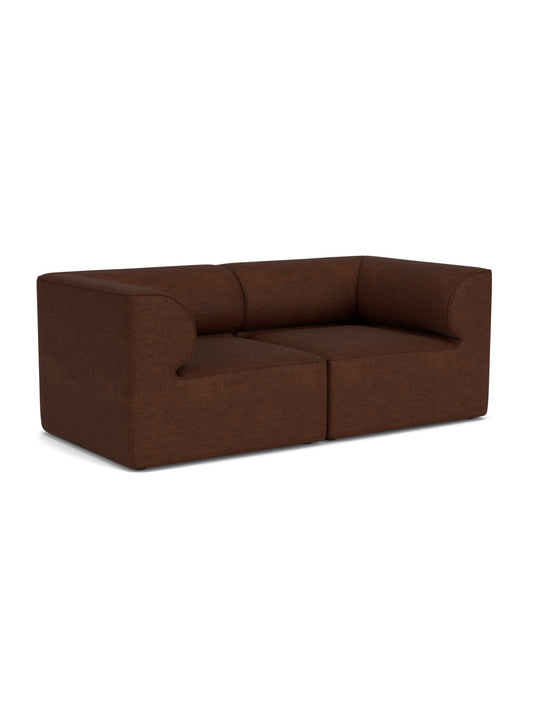
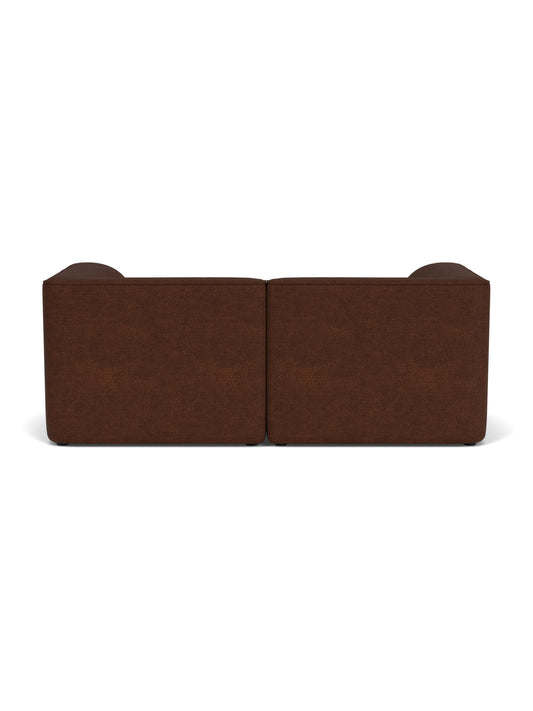
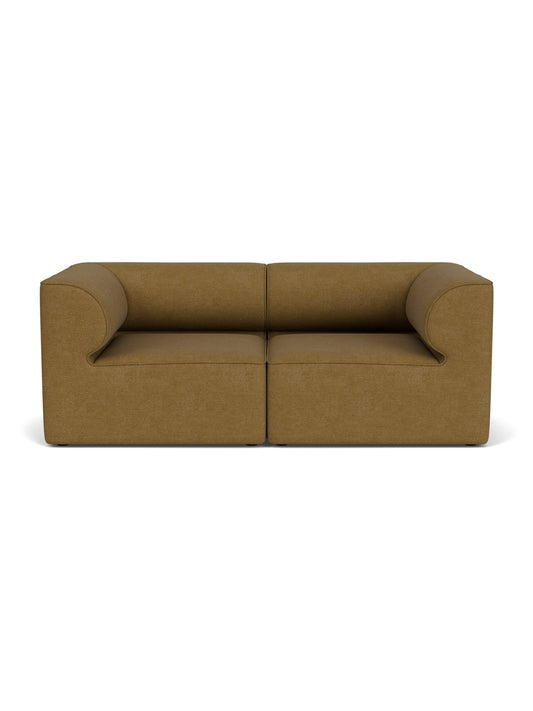
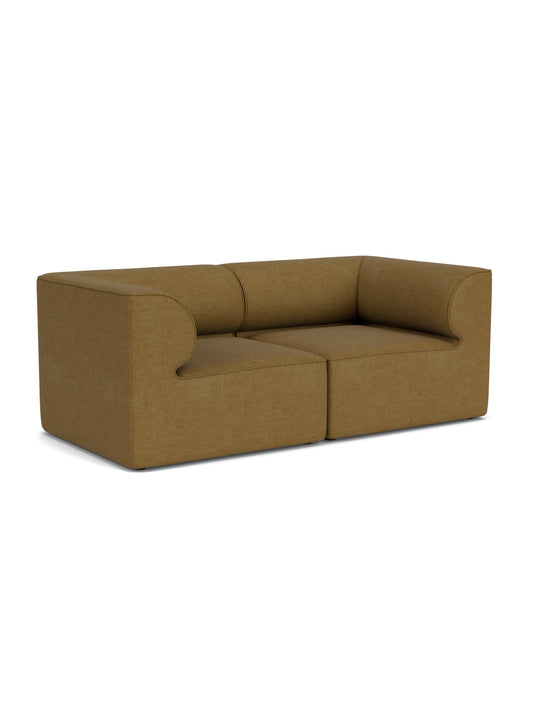
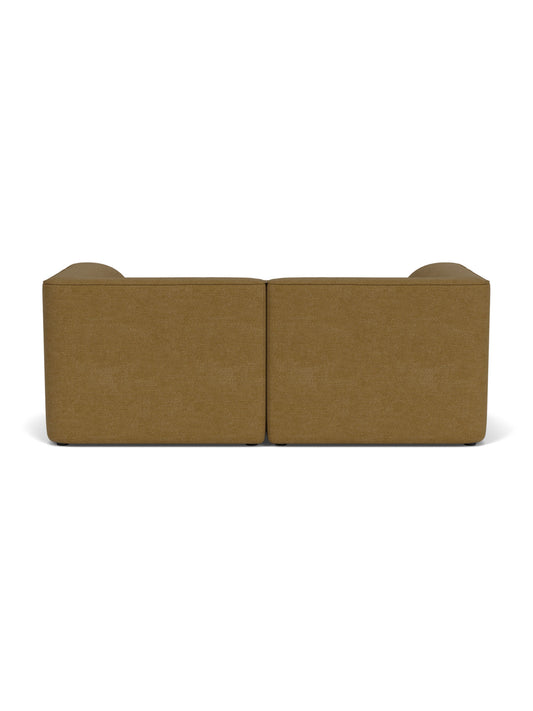
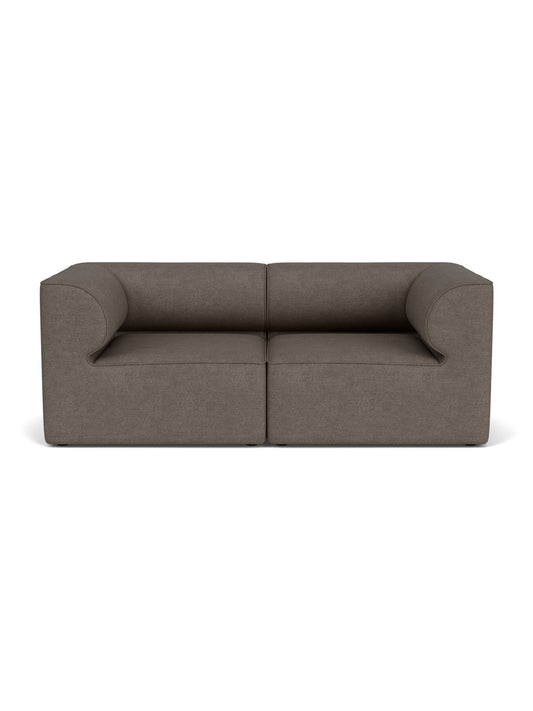
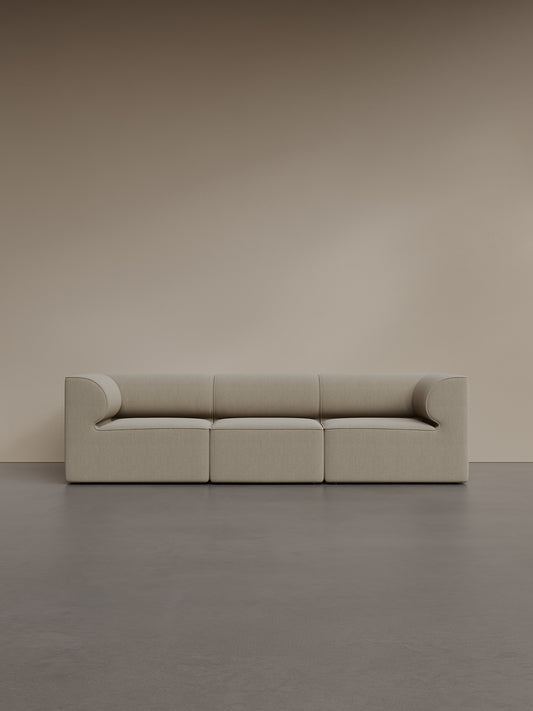
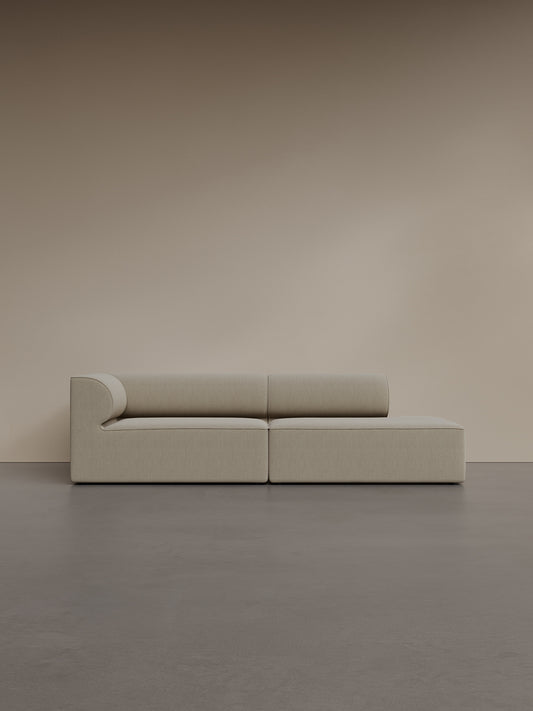
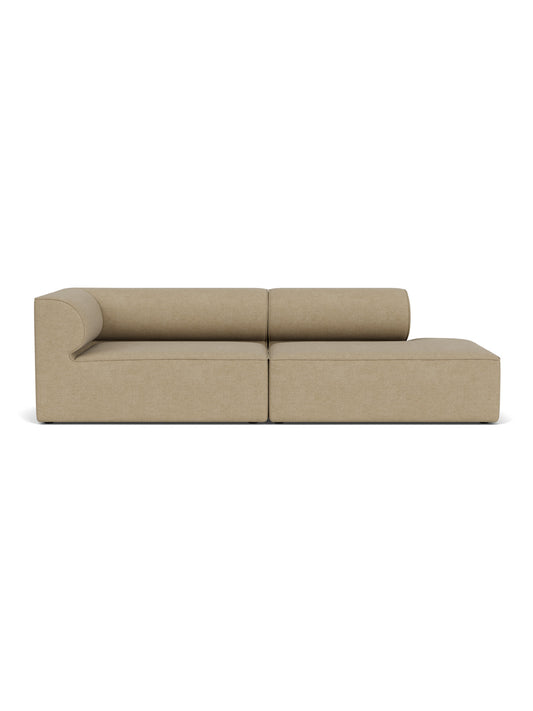
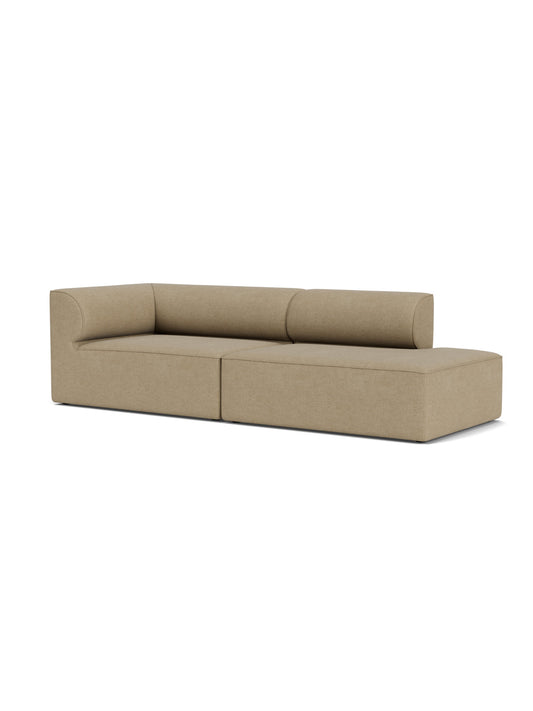
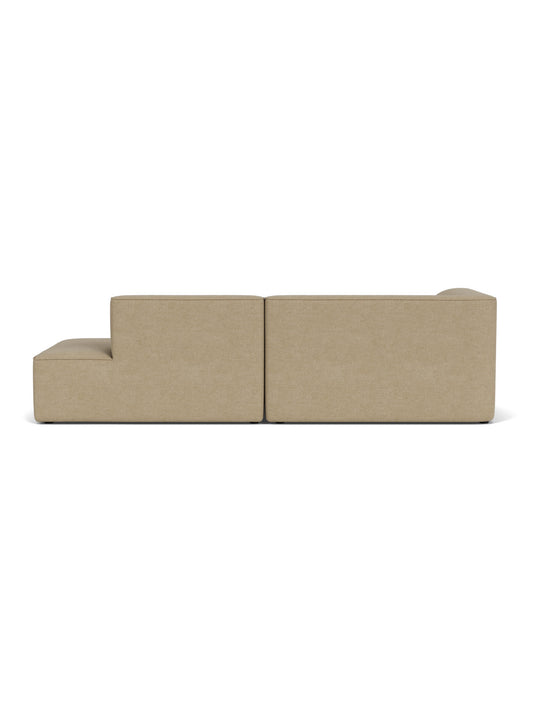
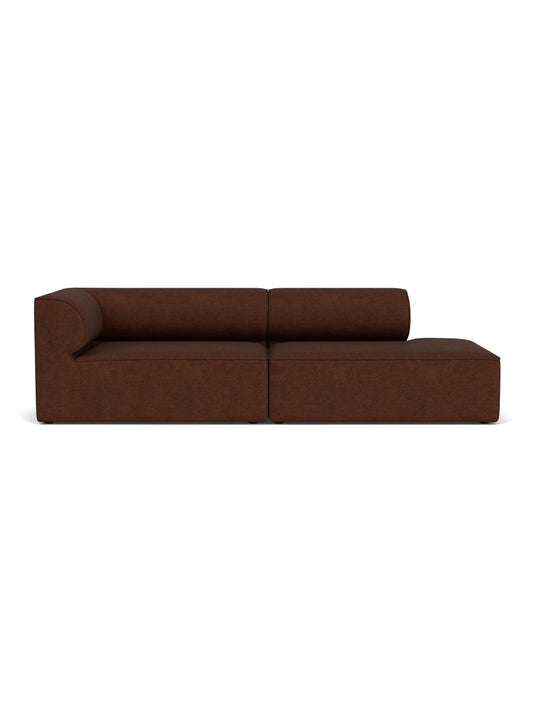
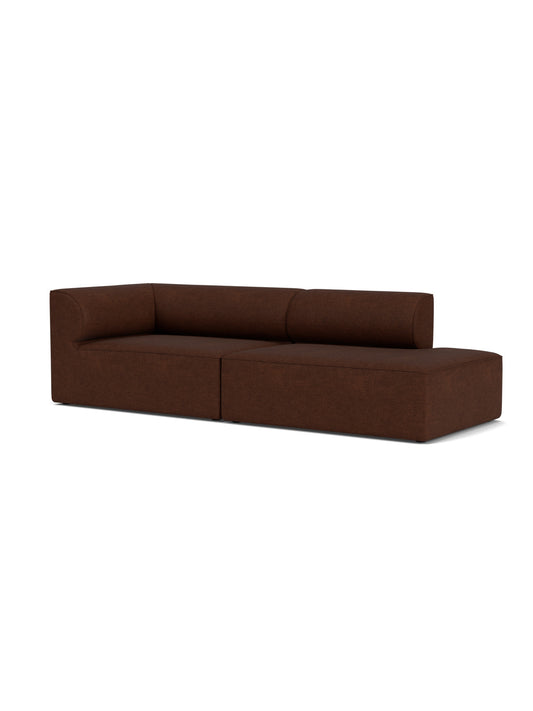
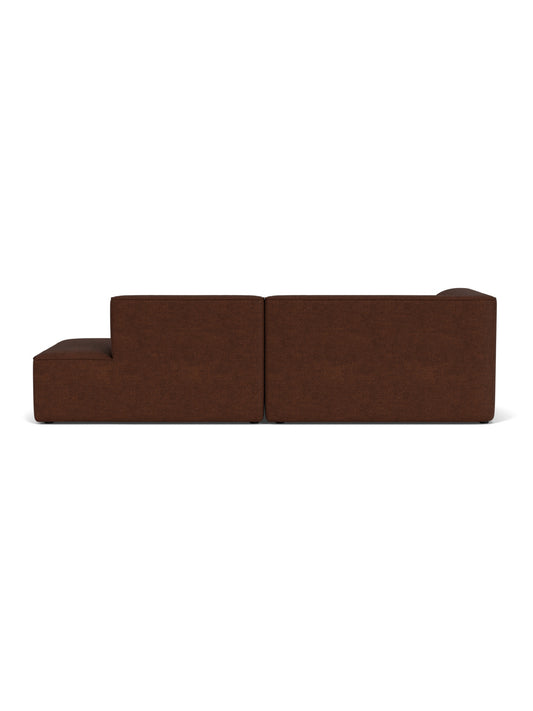
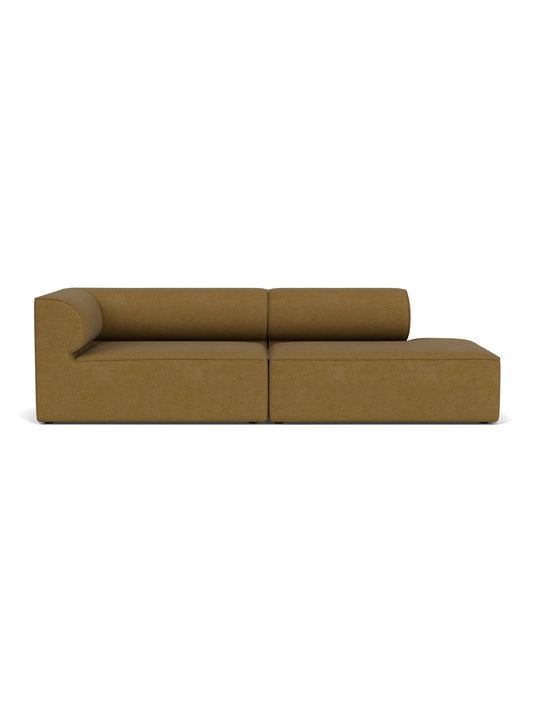
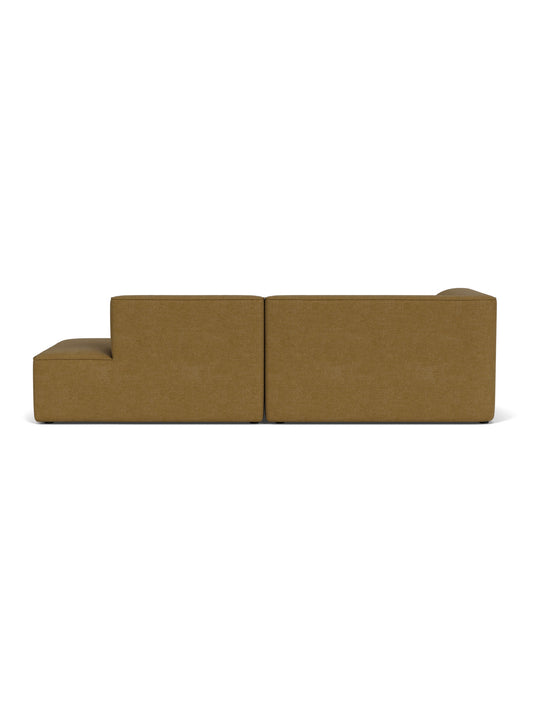
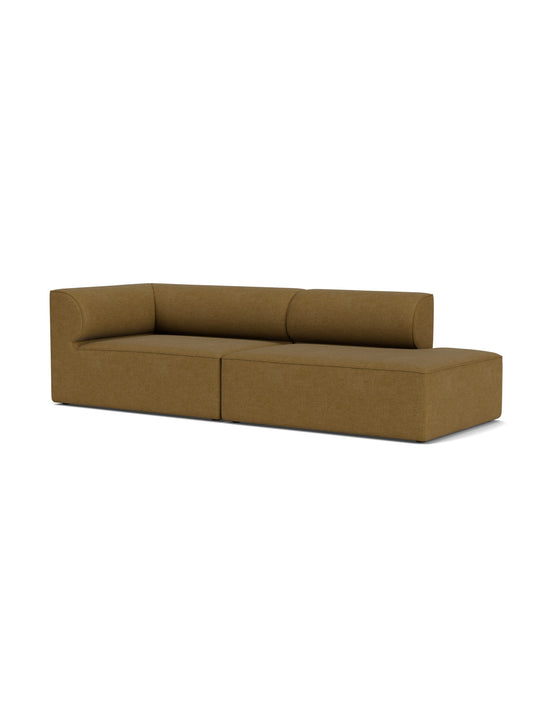
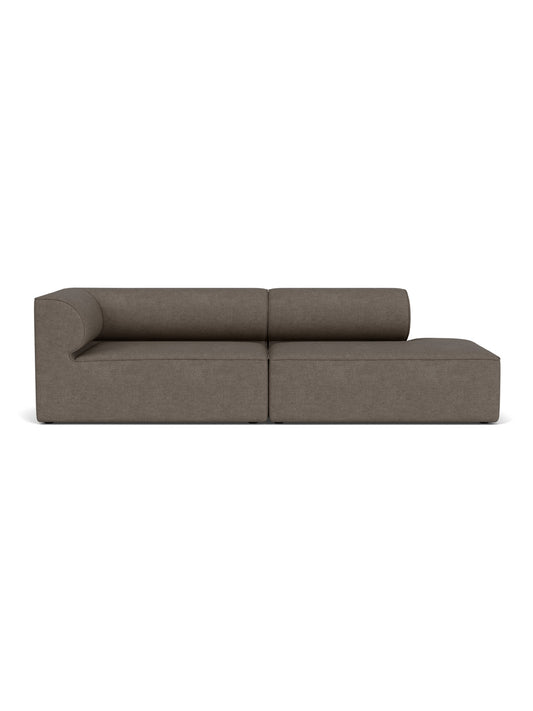
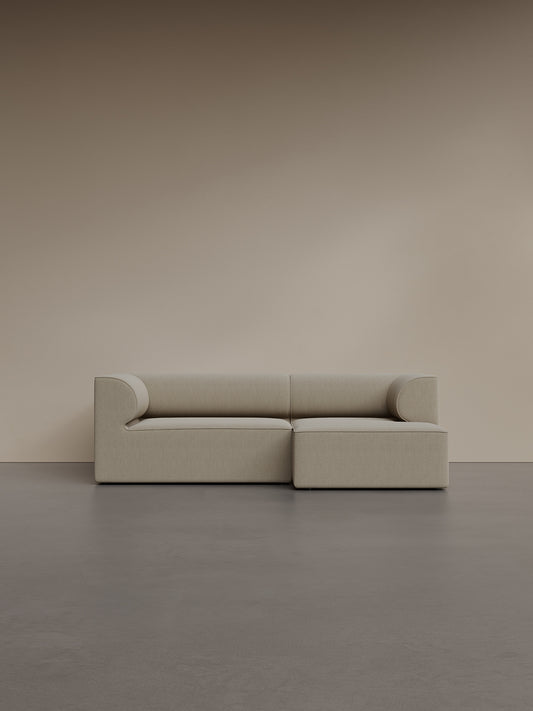
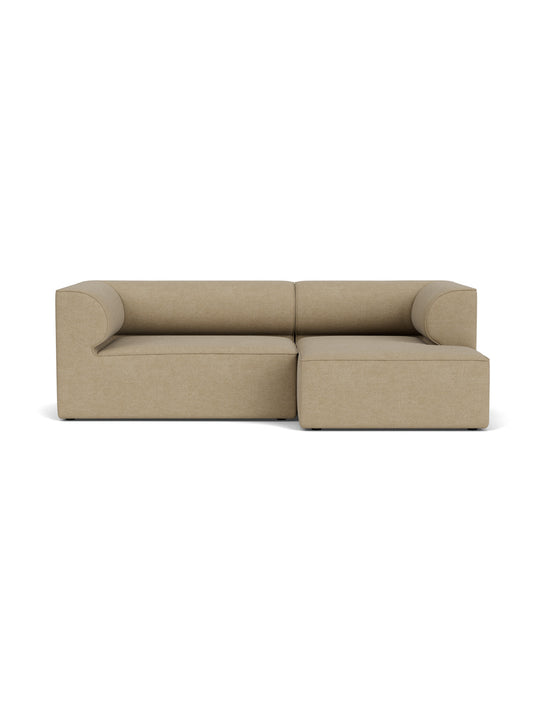
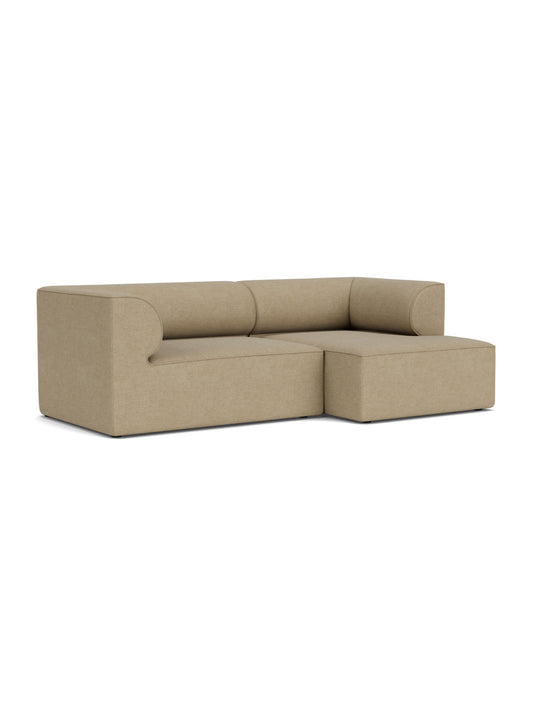
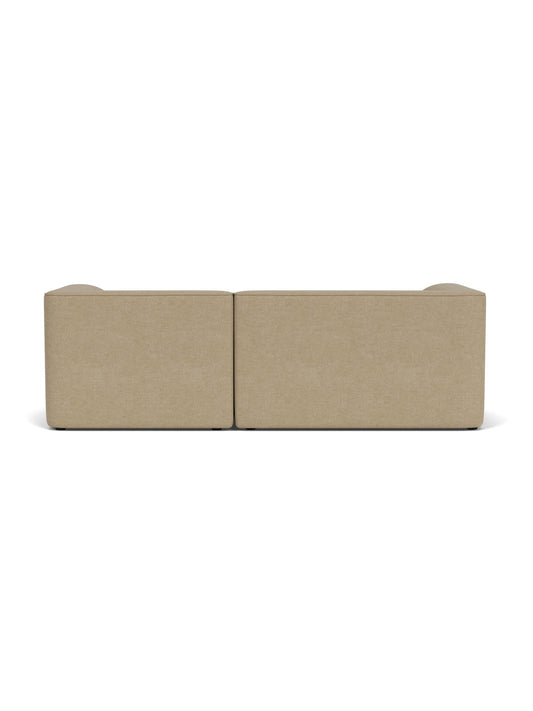
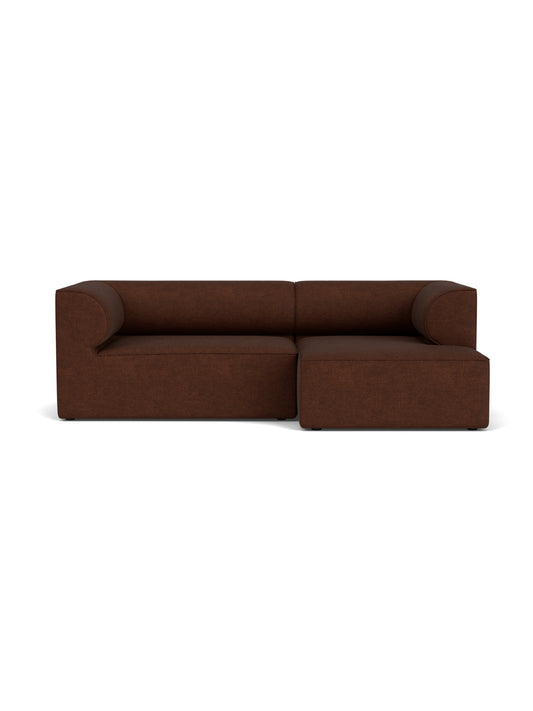
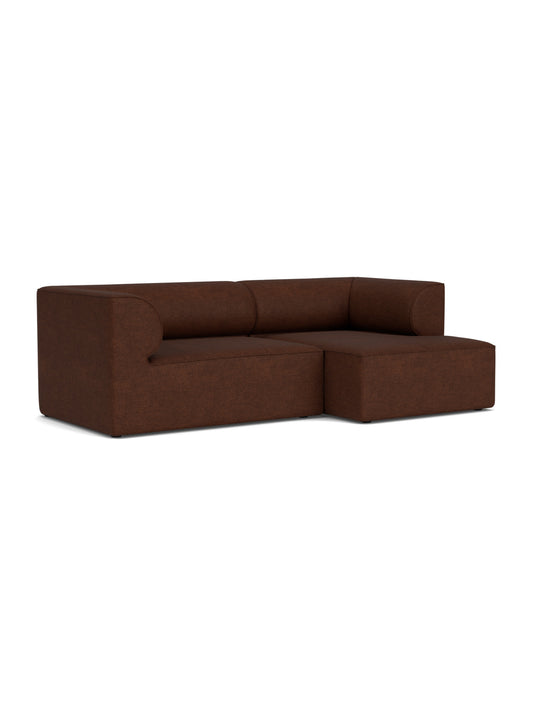
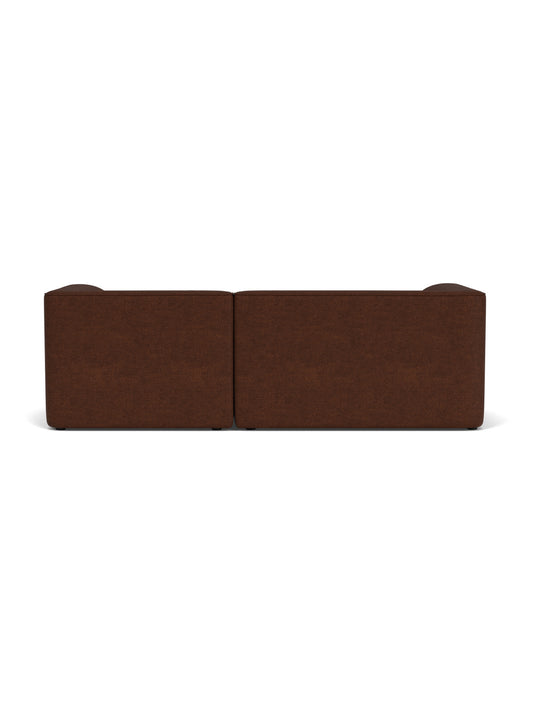
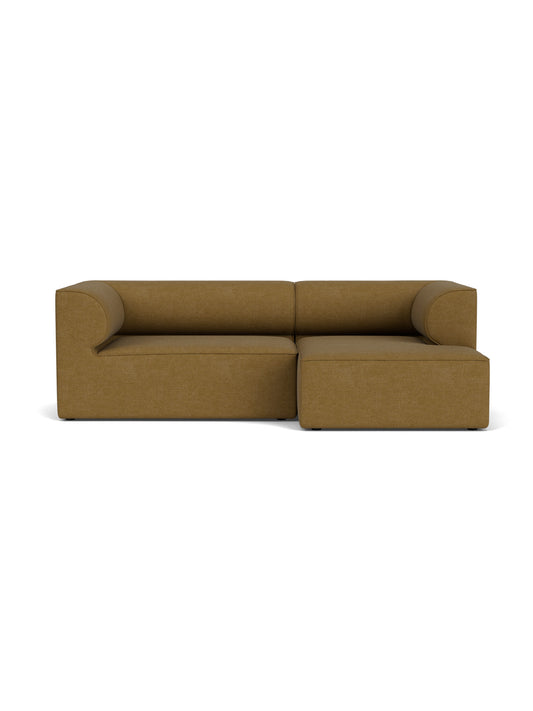
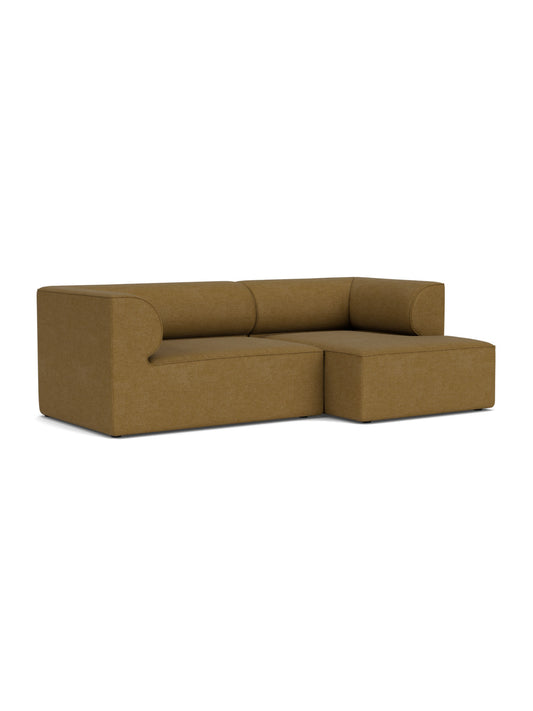
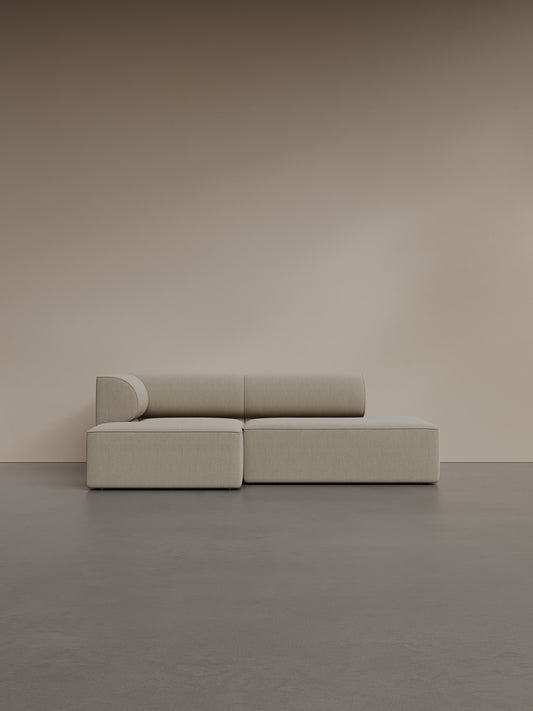
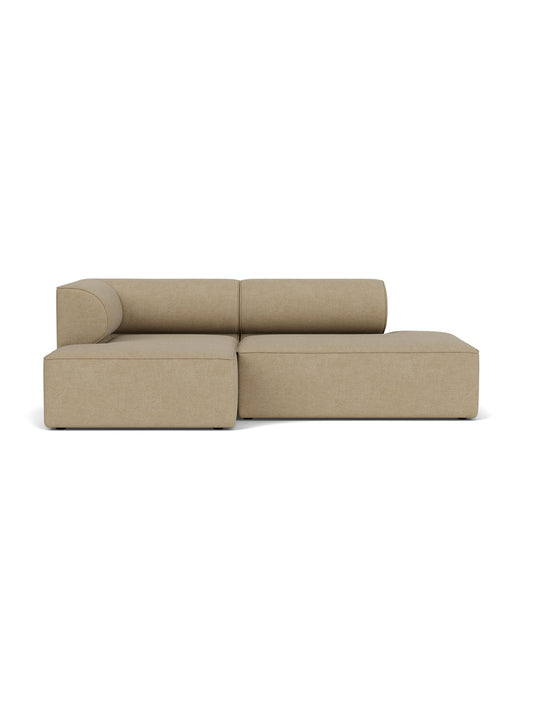
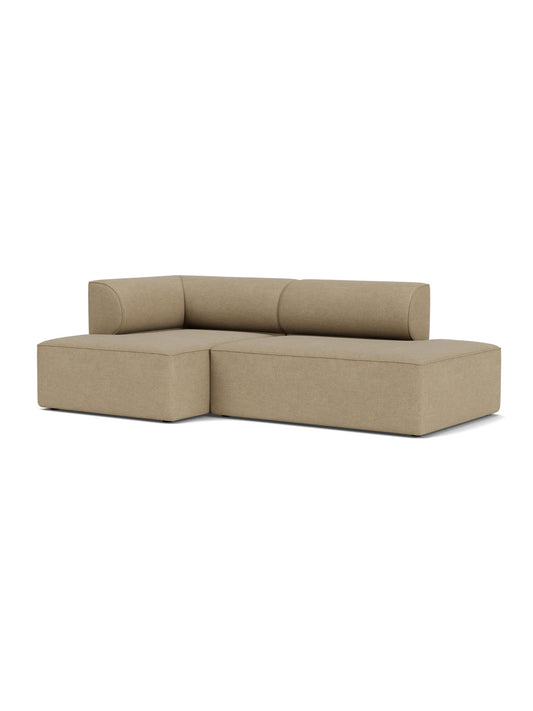
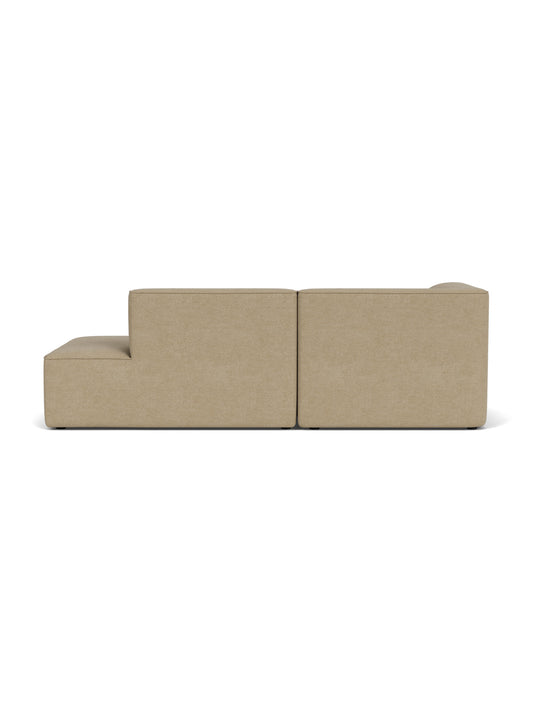
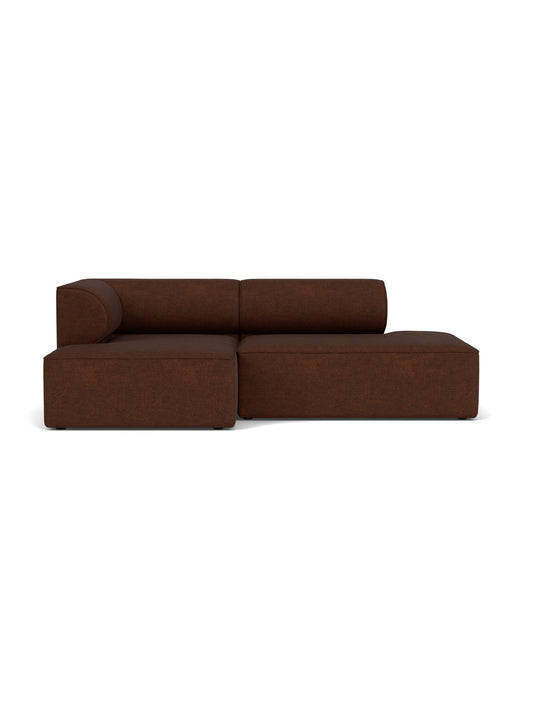
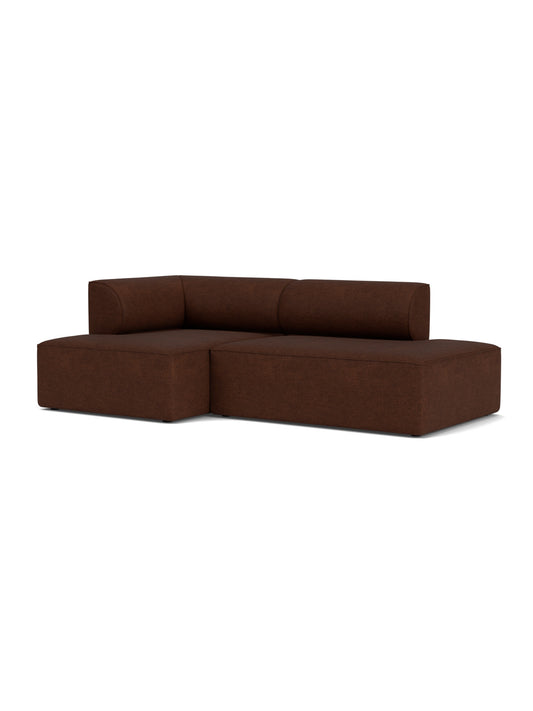
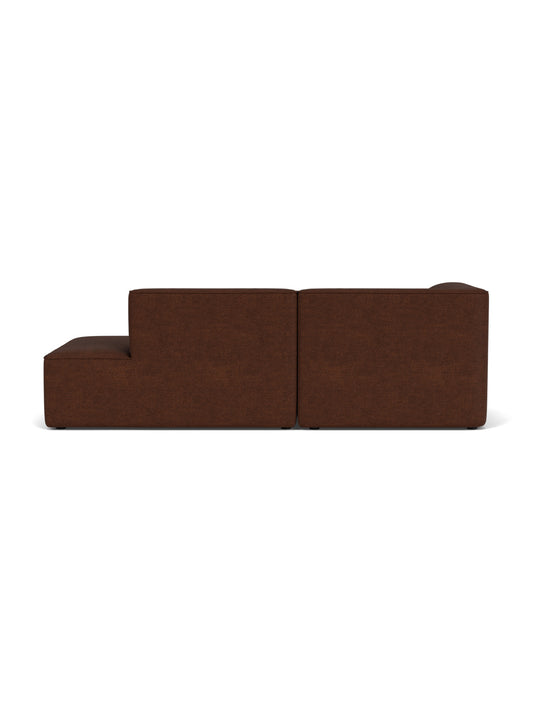
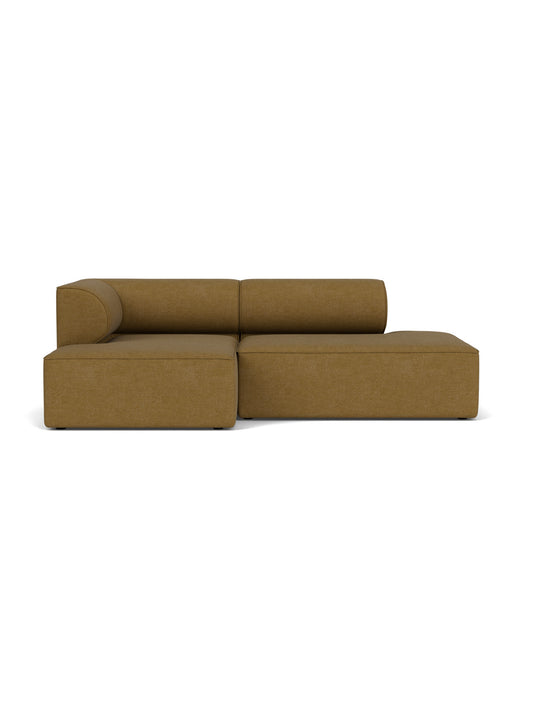
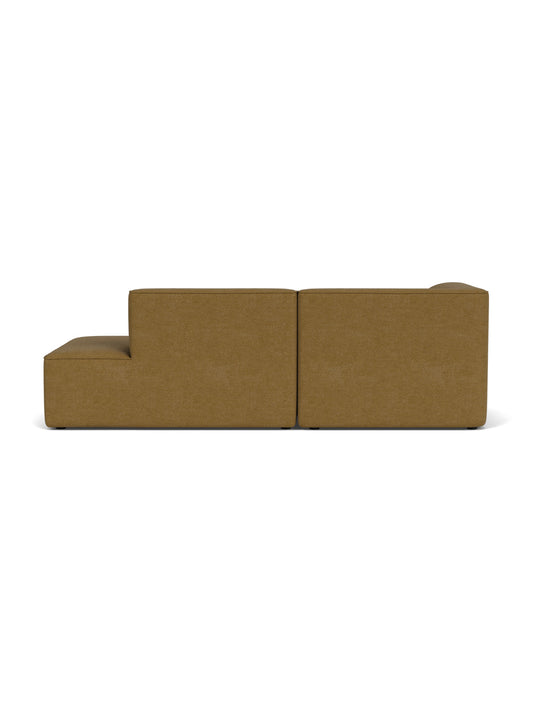
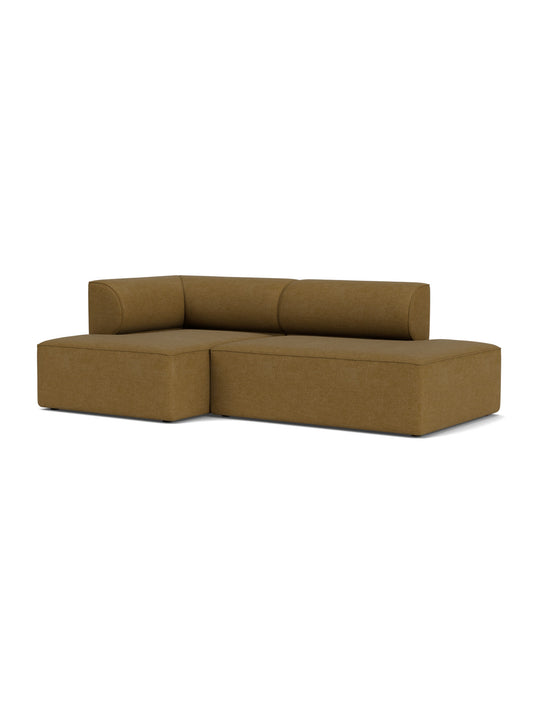
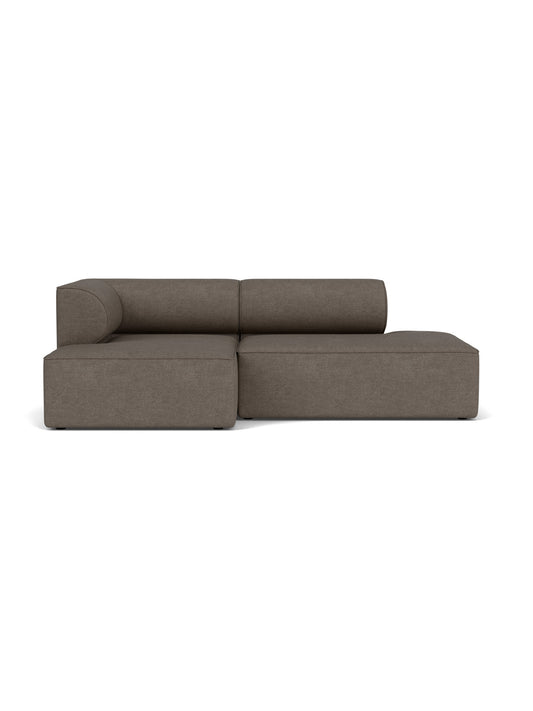
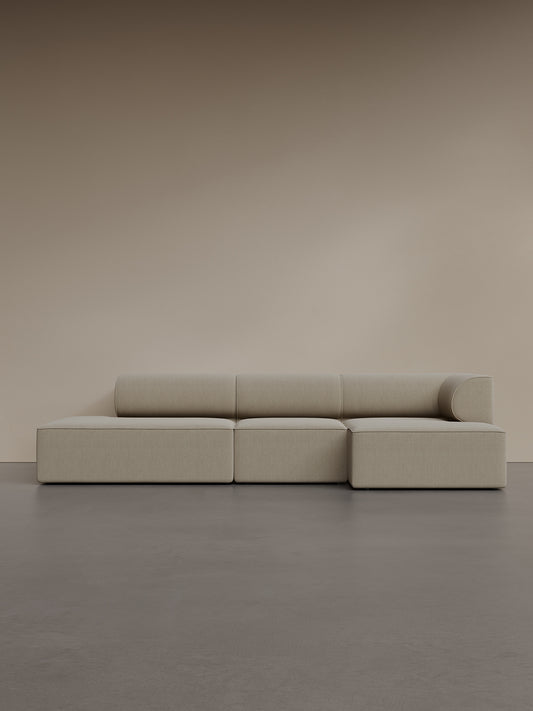
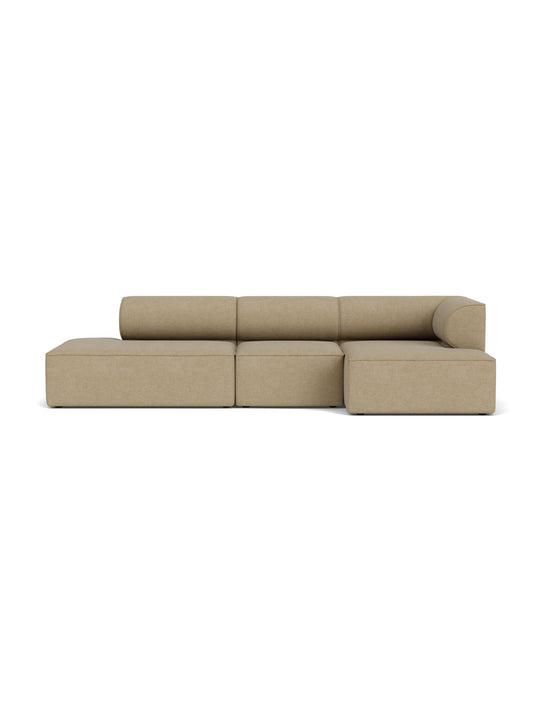
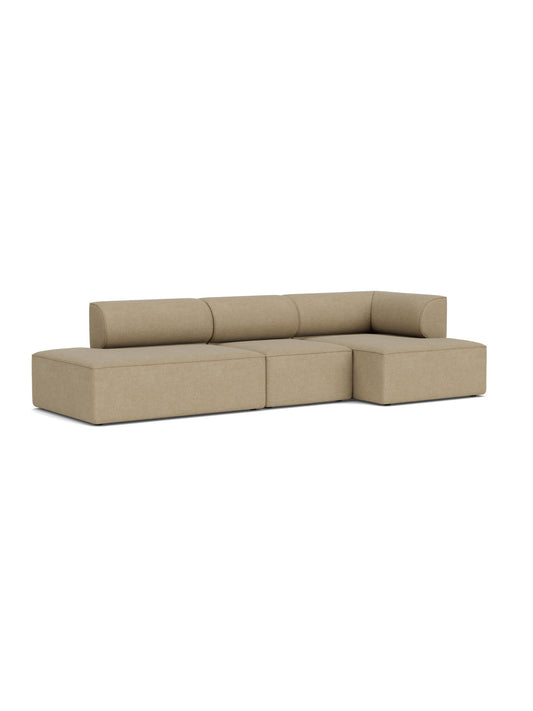
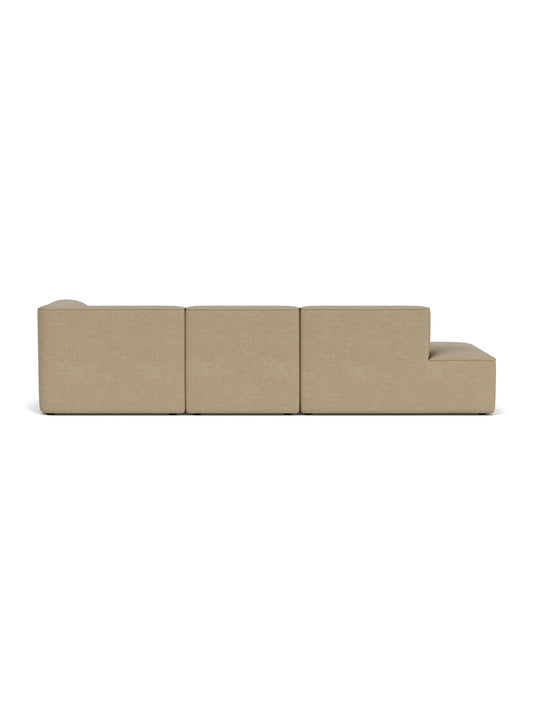
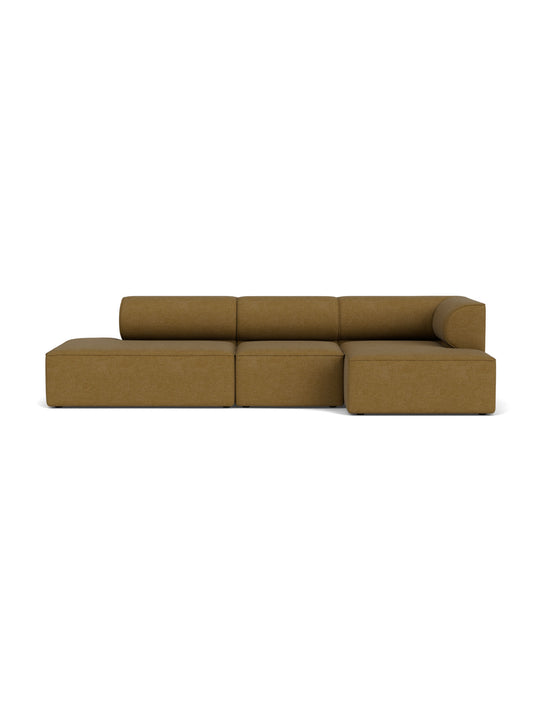
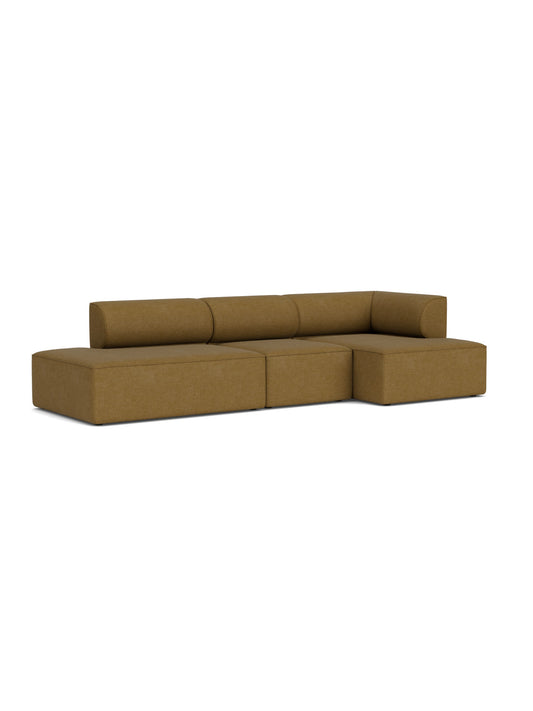
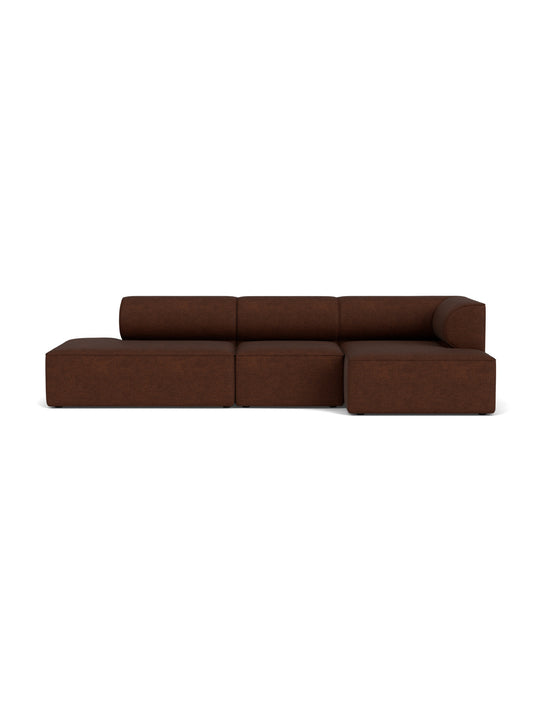
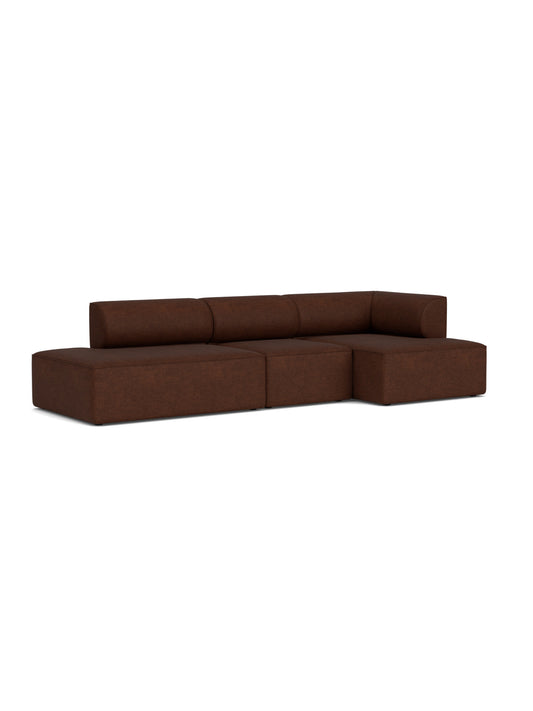
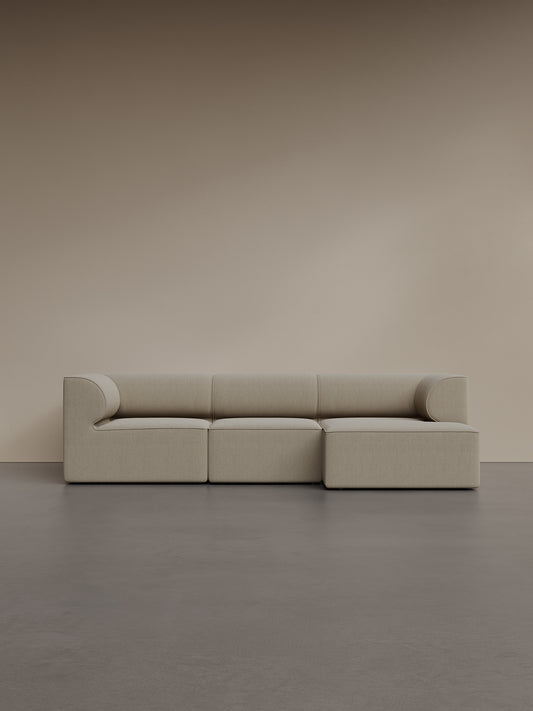
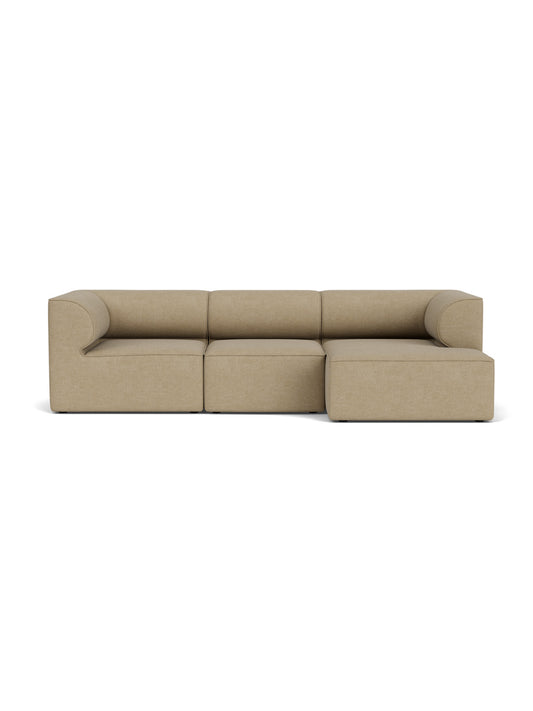
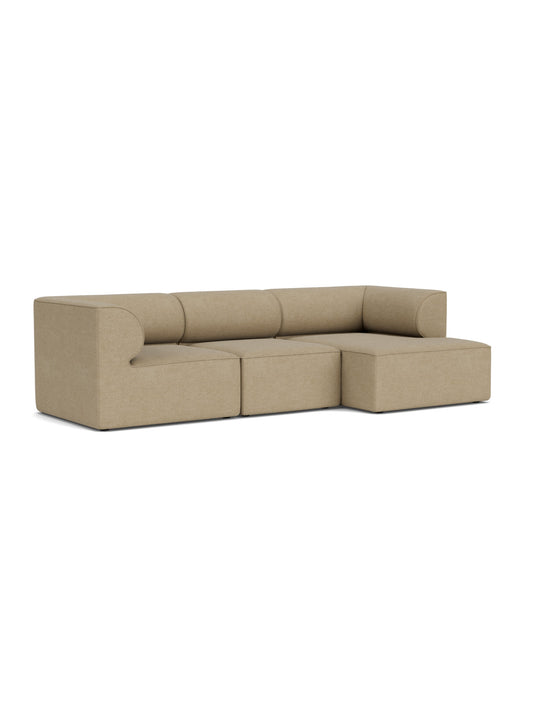
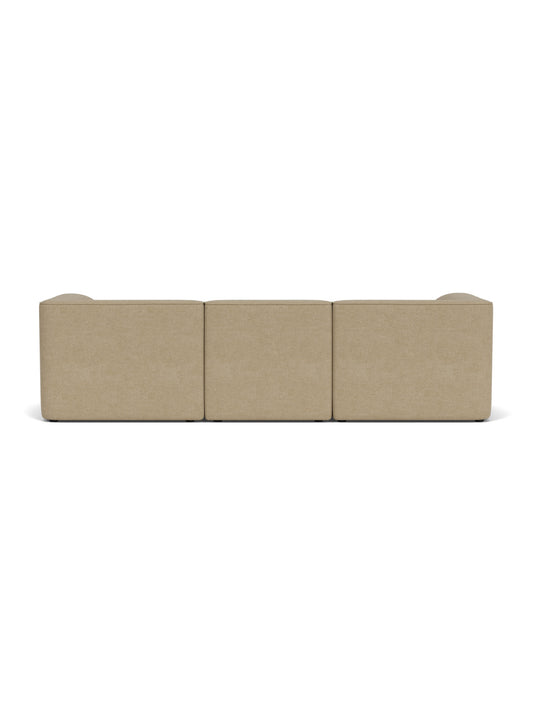
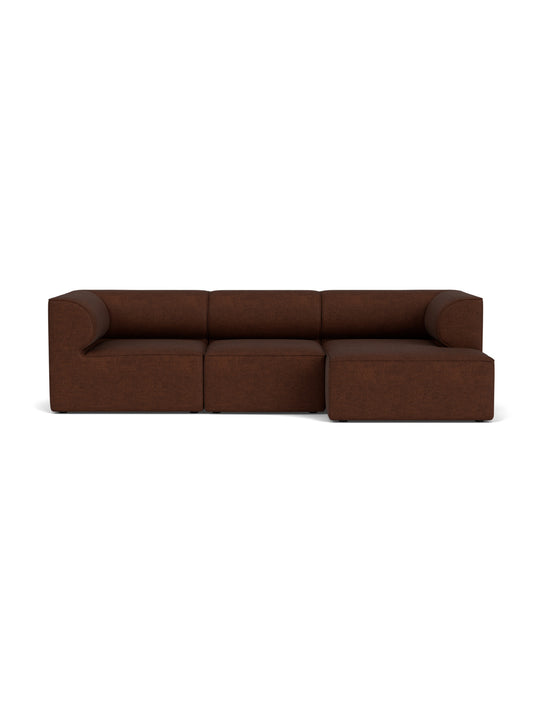
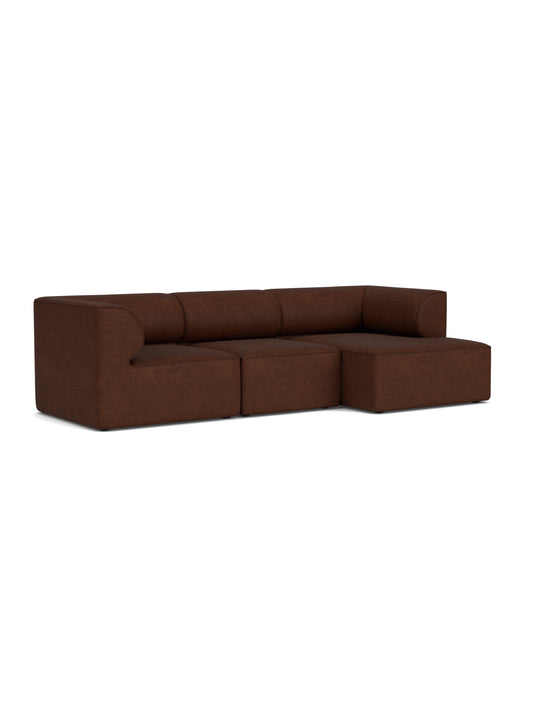
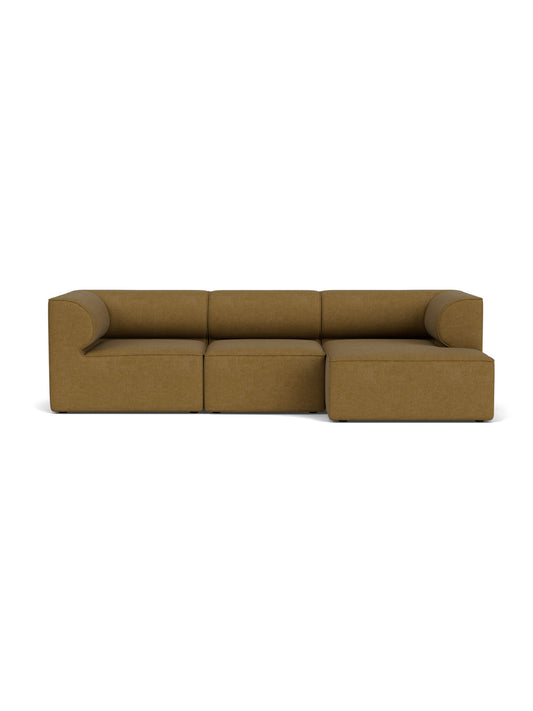
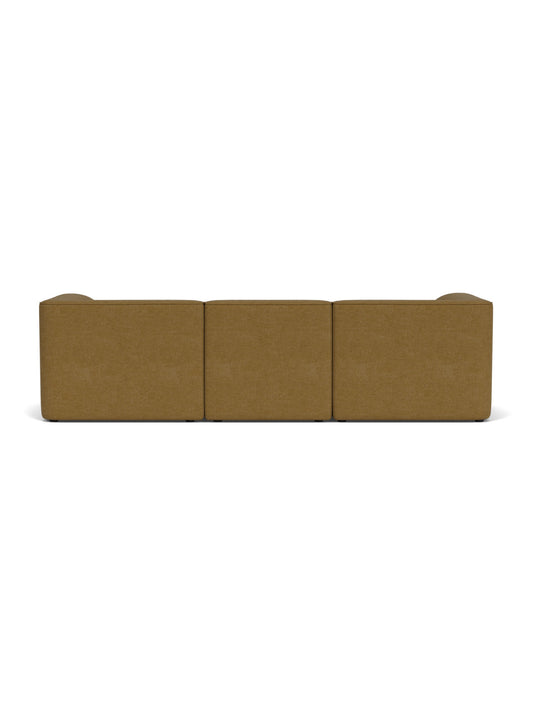
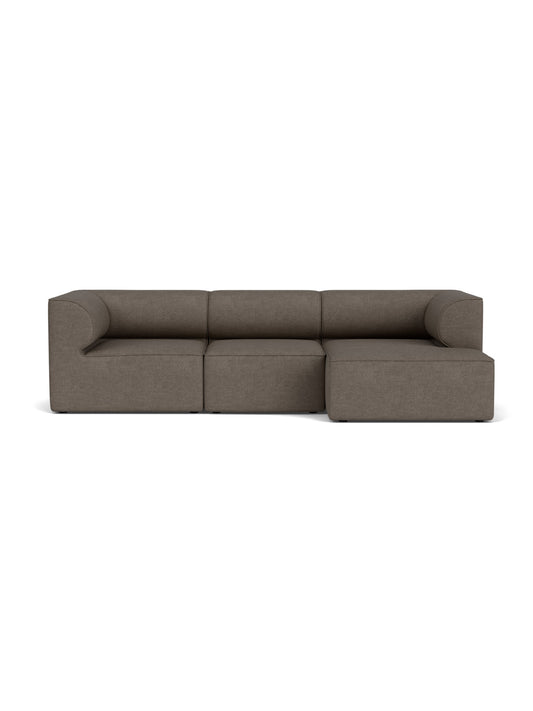
Flexible spaces call for considered solutions. The Eave Modular and Eave Seamline Modular sofas by Norm Arcitects are designed to adapt naturally to different interiors, offering a system built from individual modules that can be configured to suit the room. The modular design makes it easy to rearrange and adapt over time, allowing the sofa to evolve naturally with the space and the changing needs of everyday life.
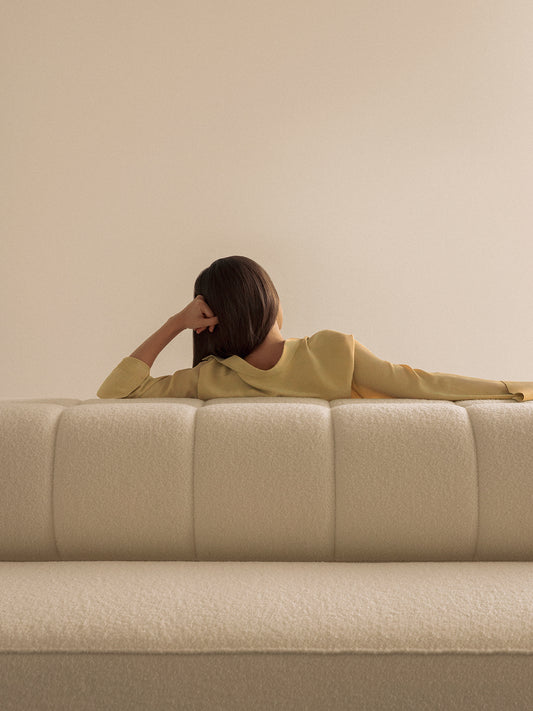
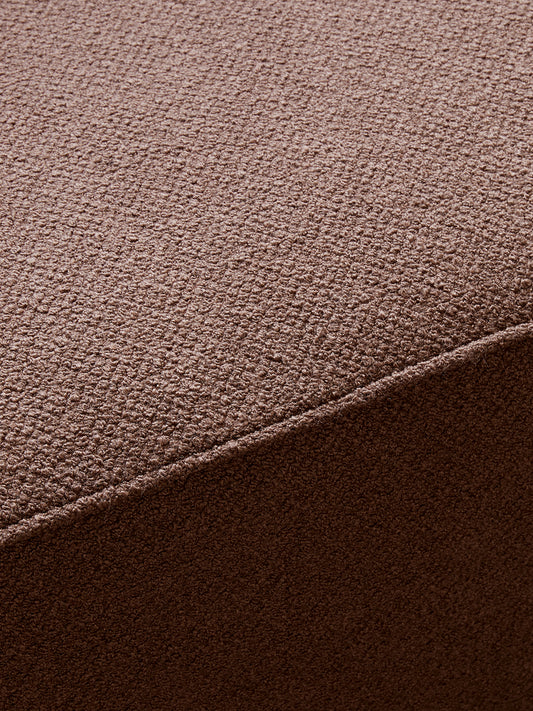
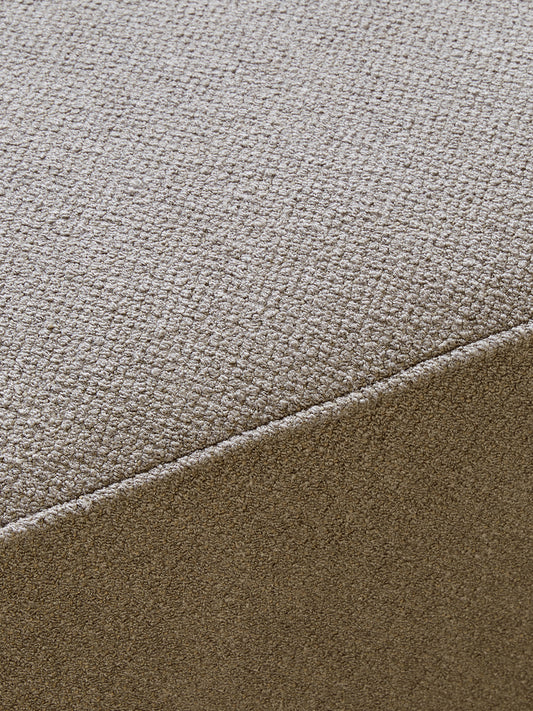
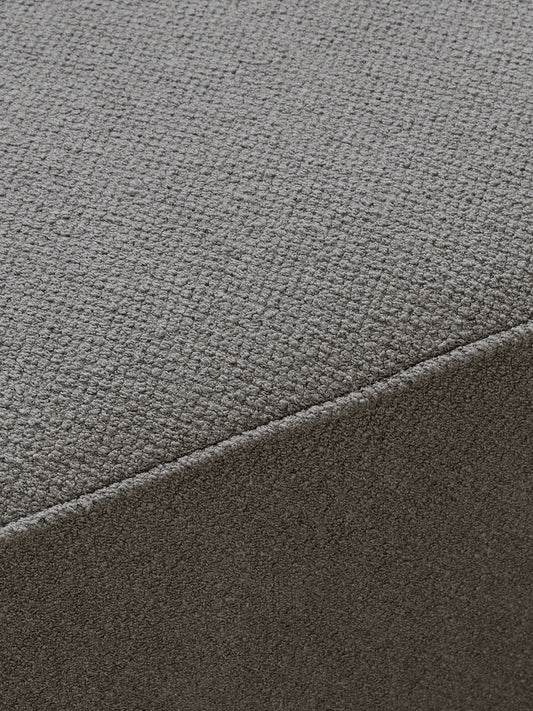
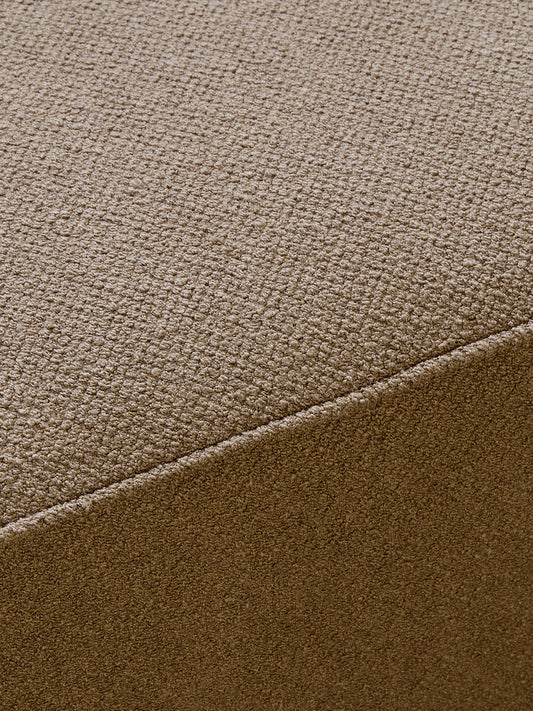
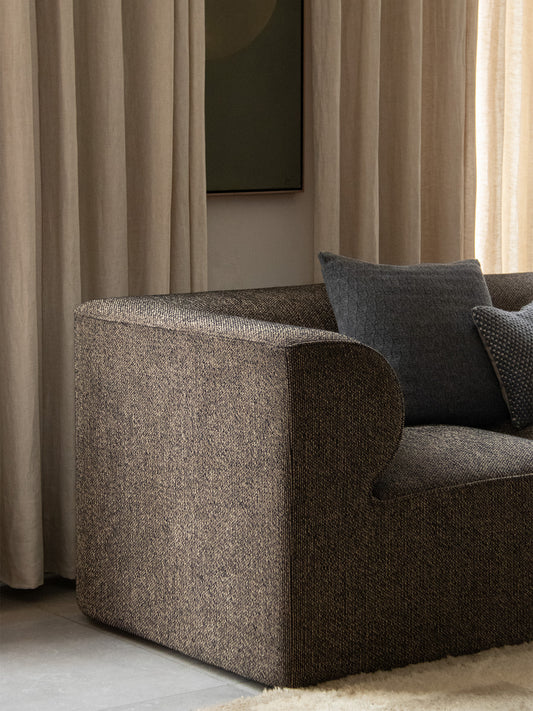
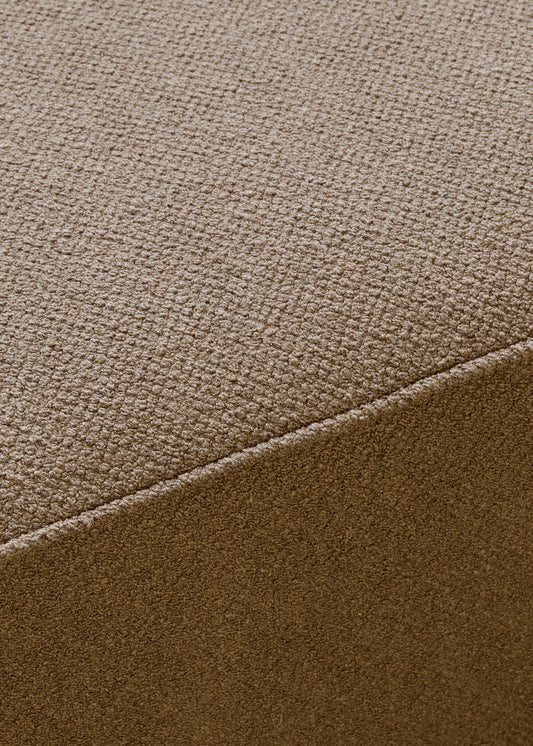
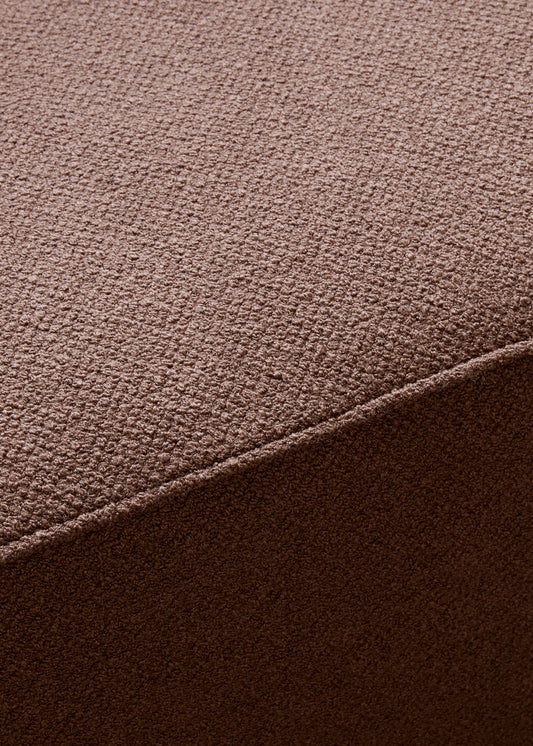
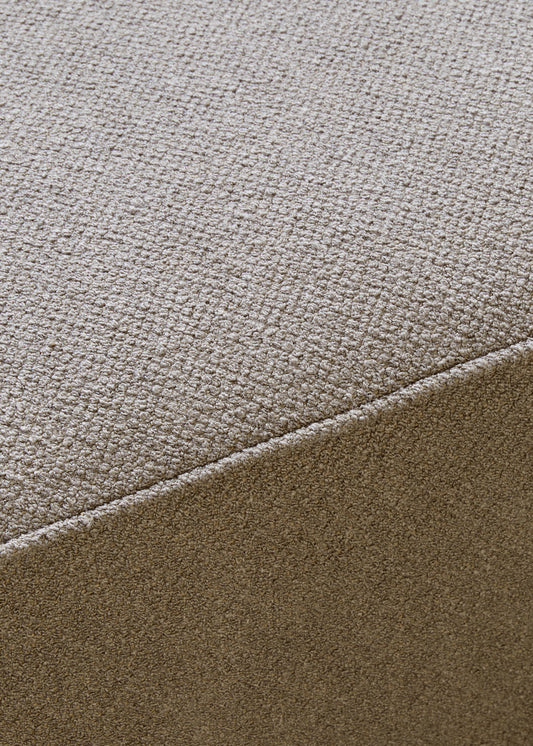
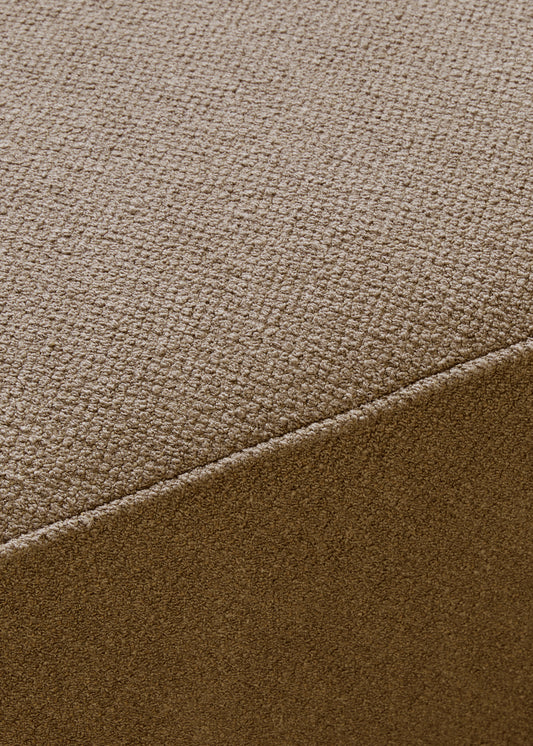
Defined by soft curves and refined seam detailing, Eave Seamline balances clarity with comfort. Its sculpted armrests — inspired by architectural eaves — create a sense of enclosure while maintaining an open expression. Tailored in a wide range of upholstery options, the design encourages a personal yet cohesive result, shaped around the way the space is used.
Timeless sofas rooted in Danish design heritage
Danish design heritage is characterised by clarity, craftsmanship and a human-centred approach. Rooted in functionalism, it values honest materials, refined proportions and furniture designed to be lived with for generations. Form follows function, yet always with warmth and attention to detail.
The Ingeborg Sofa, part of the Ingeborg Collection, originally designed in 1940 by Flemming Lassen, reflects this tradition. With its characteristic armrests, buttoned back and upholstered form, it balances softness with structure. The design feels inviting and composed, offering comfort without excess.
Similarly, the Radiohus Collection by Vilhelm Lauritzen carries a strong architectural presence. Originally created for the historic broadcasting house in Copenhagen, its curved lines and upholstered back express precision and restraint. Both sofas embody a dialogue between past and present — designs grounded in history but still entirely relevant in contemporary interiors.
Sculptural sofas defined by material and form
Materiality shapes the character of a sofa. The Brasilia Sofa By Anderssen and Voll is defined by its solid wood frame, rounded legs and upholstered seat. Drawing on both Scandinavian mid-century design and Brazilian modernism, it presents a sculptural yet warm and welcoming expression.
The visible wooden structure introduces warmth and rhythm, while the plush cushions create contrast and comfort. Offered in carefully selected upholstery textiles, the Brasilia Sofa highlights the tactile qualities that define the collection as a whole. Across the range, natural materials and thoughtful detailing ensure that each sofa feels grounded and enduring. The interplay between structure and softness gives these designs their presence — confident yet understated, refined yet deeply comfortable.
Choosing the right sofa for your space
Choosing the right sofa requires careful consideration of both space and lifestyle. A sofa should respond naturally to the room while supporting everyday routines. By reflecting on proportion, function and material, it becomes easier to find a design that feels balanced and lasting.
When selecting a sofa, consider the following:
- Size and proportion: Measure the room and consider how the sofa will relate to other furniture. A modular design such as the Eave Seamline Modular Sofa can adapt to larger or open-plan spaces, while more compact sofas like the Ingeborg Sofa offer presence without overwhelming smaller rooms.
- Configuration and flexibility: Think about how the space is used. Modular systems allow for evolving layouts, whereas a fixed design such as the Radiohus Sofa provides a clear architectural statement.
- Material and upholstery: Natural textiles, wool blends and structured fabrics influence both comfort and expression. A sofa such as the Brasilia Sofa highlights the dialogue between solid wood and soft upholstery, bringing warmth and texture into the room.
- Comfort and depth: Consider how you sit and gather. Deeper seats encourage relaxation, while more upright designs support conversation.
Ultimately, the right sofa brings harmony to the space. It supports daily life with ease while reinforcing the character of the interior. Thoughtfully chosen, it becomes a lasting foundation — a place of rest, connection and quiet continuity within the home.