Mirrors as spatial elements in the home
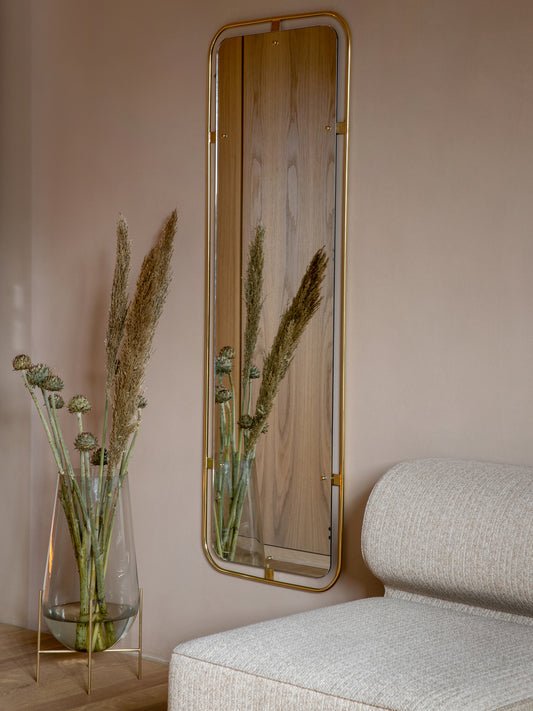
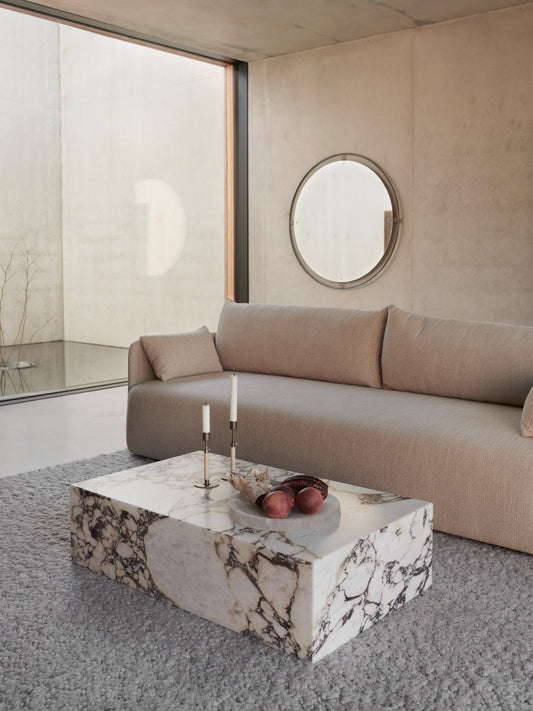
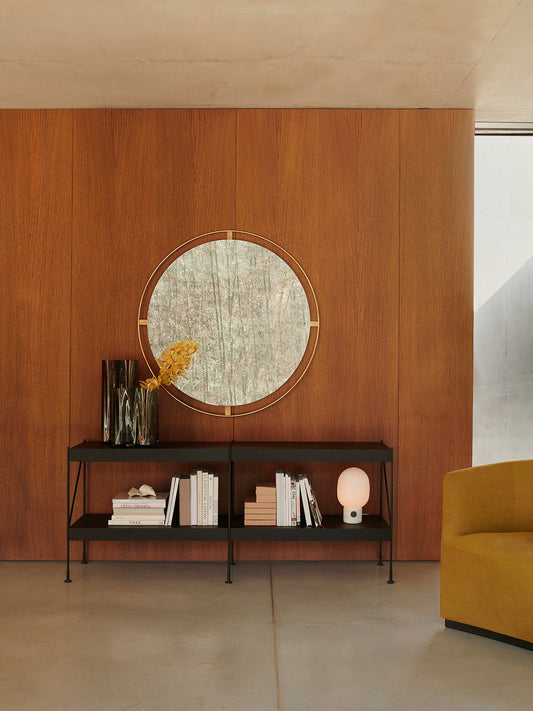
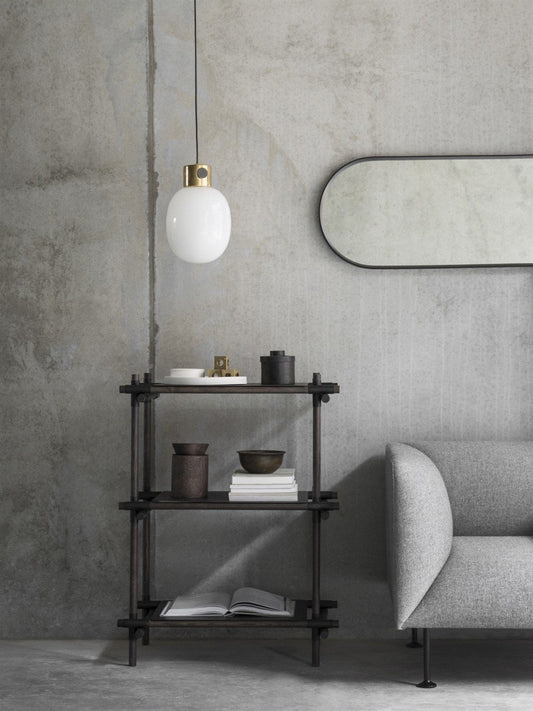
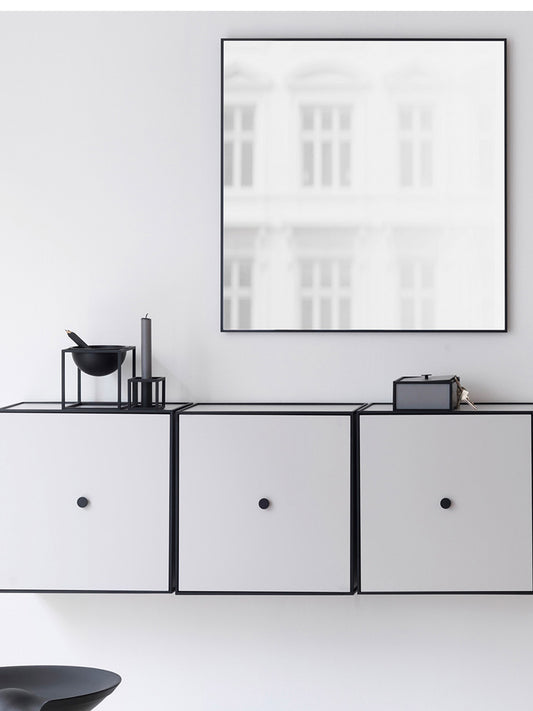
Mirrors extend beyond their reflective function, shaping how a space is perceived and experienced. By capturing and redistributing light, they introduce a sense of openness, allowing interiors to feel more expansive and connected. Placed with intention, a mirror can draw the eye through a room, soften boundaries and create a subtle dialogue between different areas of the home.
Light plays a central role in this interaction. Natural daylight reflected across a surface can brighten darker corners, while artificial light gains depth and dimension when echoed through glass. This interplay brings movement to an otherwise static interior, shifting throughout the day as light changes in intensity and direction.
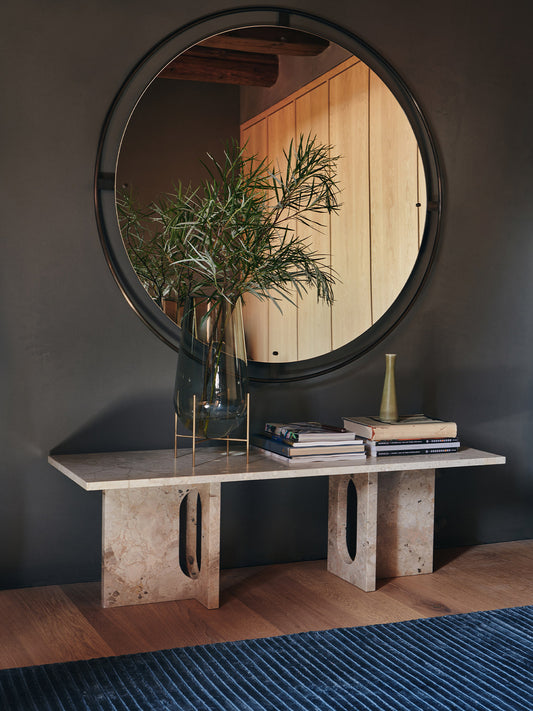
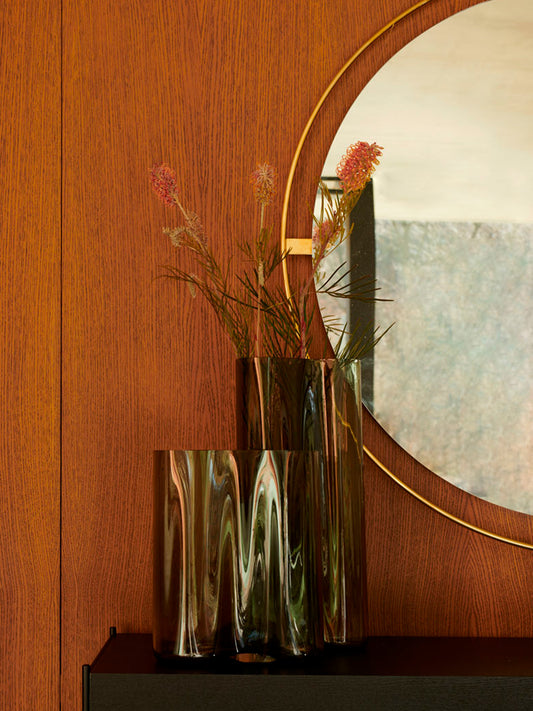
Across the home, mirrors adapt to different contexts. In a hallway, they create a welcoming sense of space while offering a moment of pause. In bedrooms and bathrooms, they support daily routines with clarity and ease. Within living spaces, mirrors can act as quiet focal points, reflecting materials, textures and surrounding objects to enrich the overall composition.
Integrated thoughtfully, mirrors become part of the architecture of a space. They frame views, extend sightlines and contribute to a calm, balanced interior where light, form and material exist in harmony.
Timeless designs for modern interiors
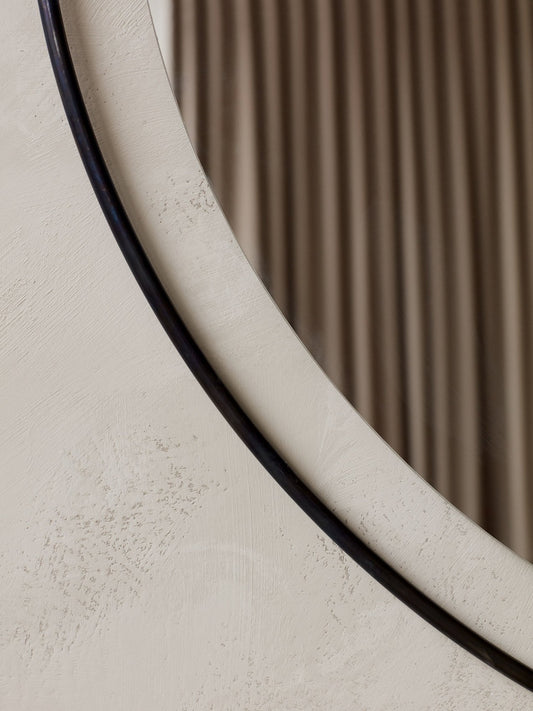
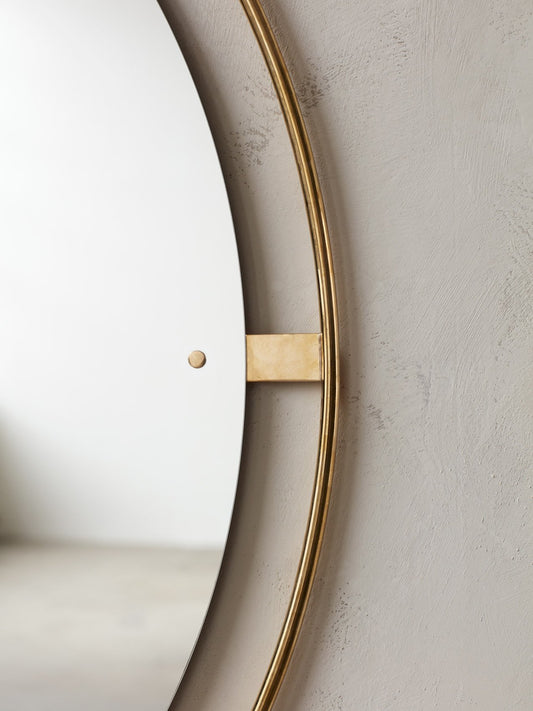
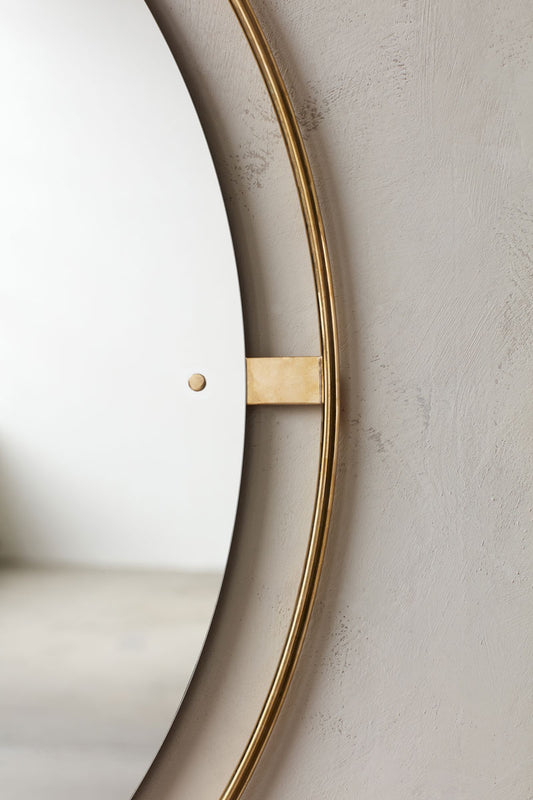
Material defines the presence of a mirror, shaping both its visual character and the way it interacts with light. Glass offers clarity and reflection, while brass introduces warmth and a subtle sense of refinement. Marble brings weight and tactility, and steel adds a more structured, architectural quality. Together, these materials allow mirrors to move beyond function, existing as considered objects within a space.
A mirror is both surface and form. It reflects its surroundings while also contributing to the composition through proportion, frame and finish. Even when not in use, it holds a quiet presence, defined by its materiality and silhouette.
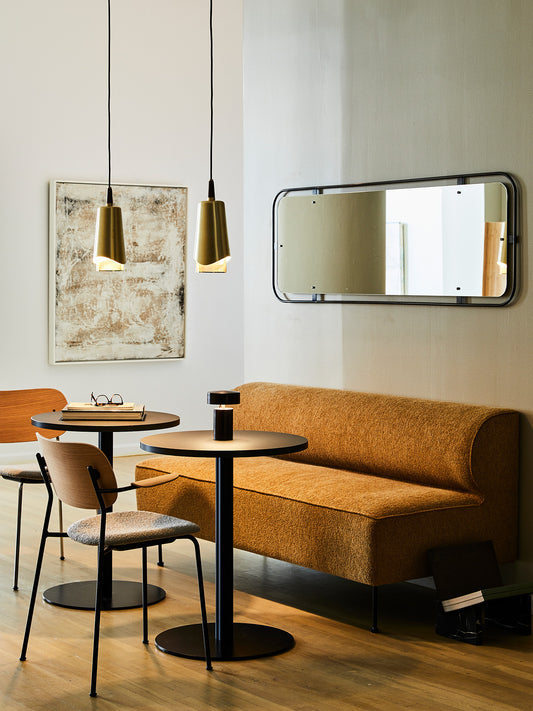
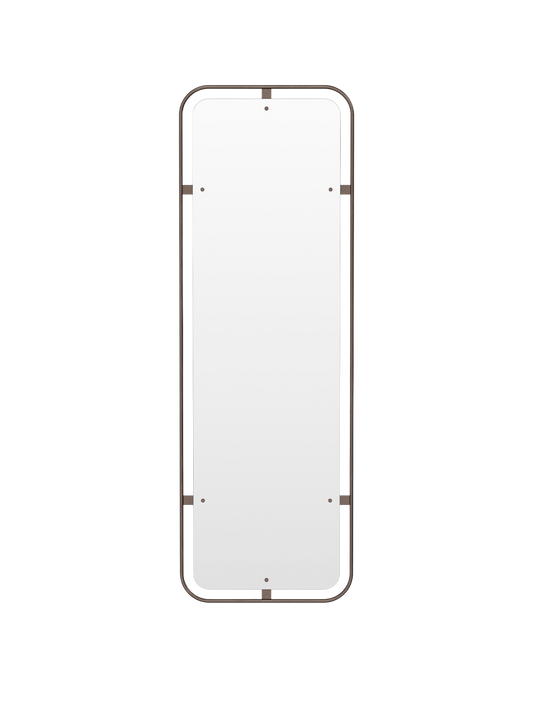
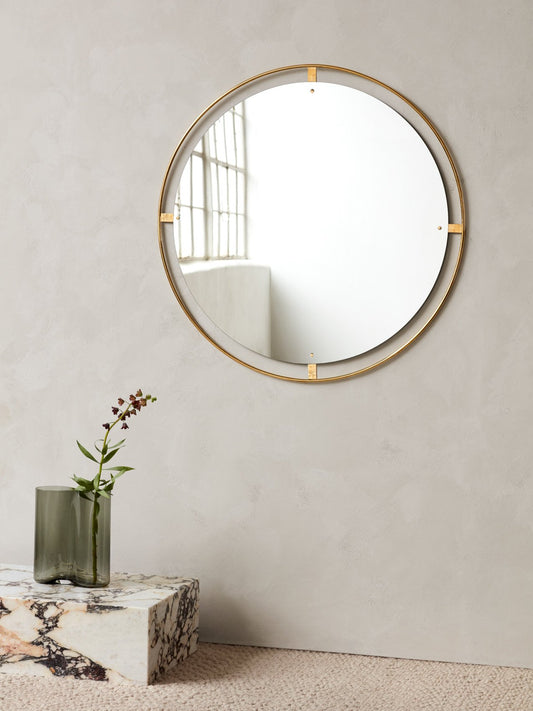
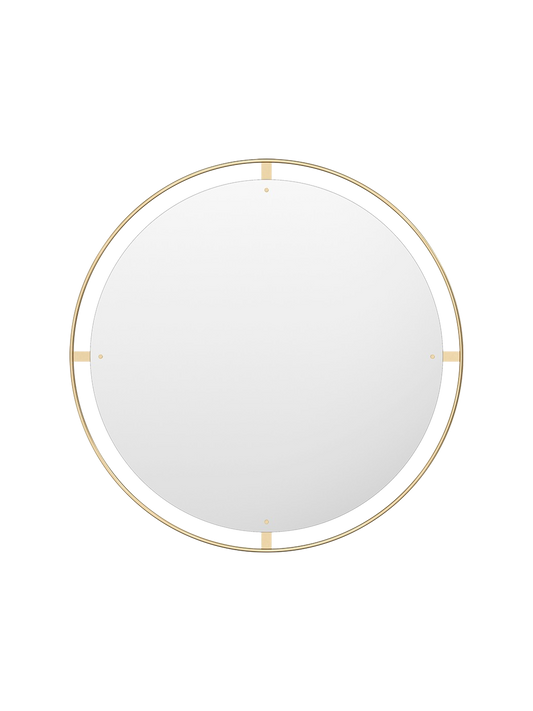
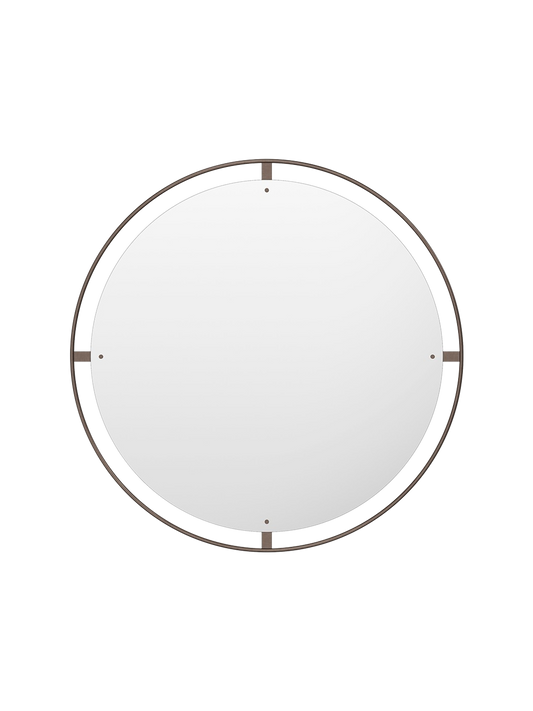
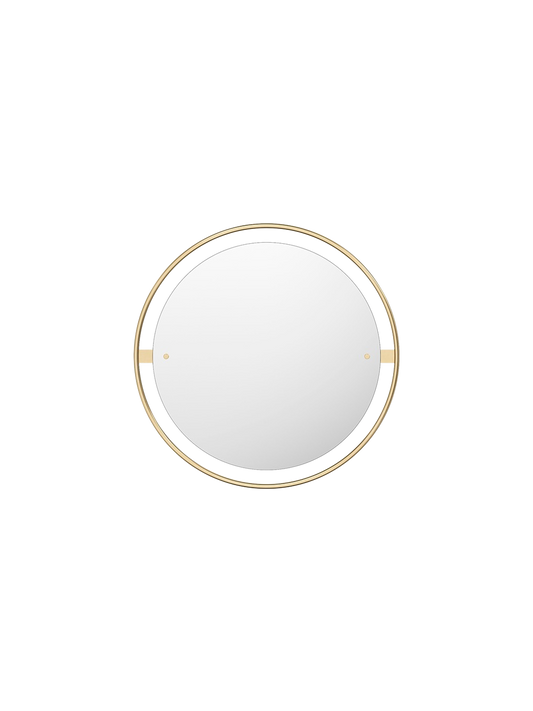
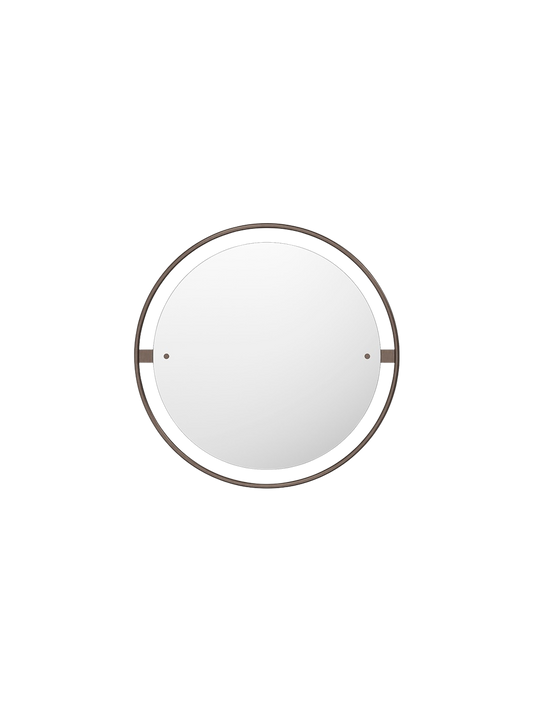
The Nimbus Mirror Rectangular introduces a distinctive, halo-like frame that surrounds the reflective surface with a soft yet defined edge. The balance between lightness and structure allows it to act as both focal point and subtle backdrop within an interior.
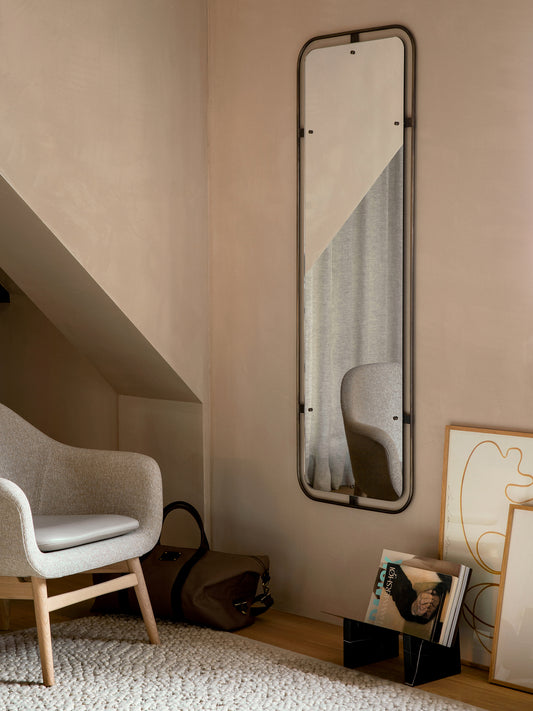
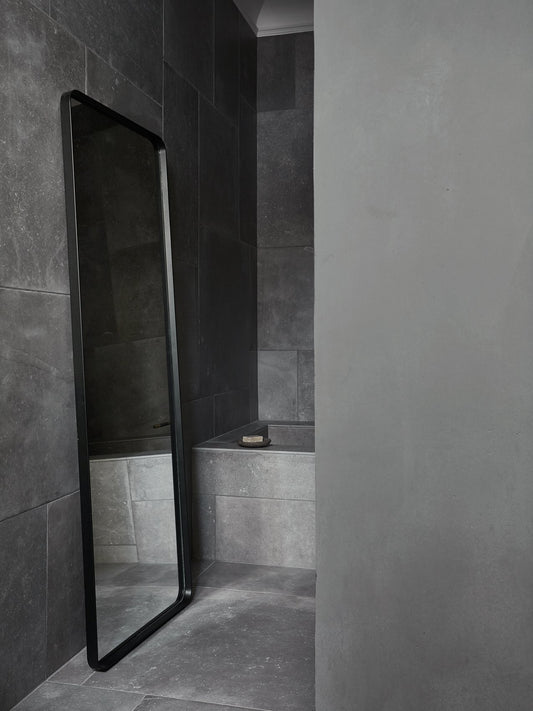
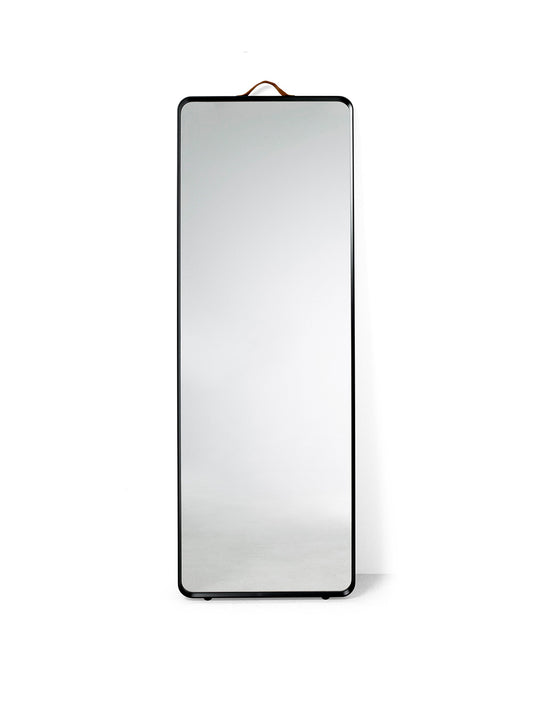
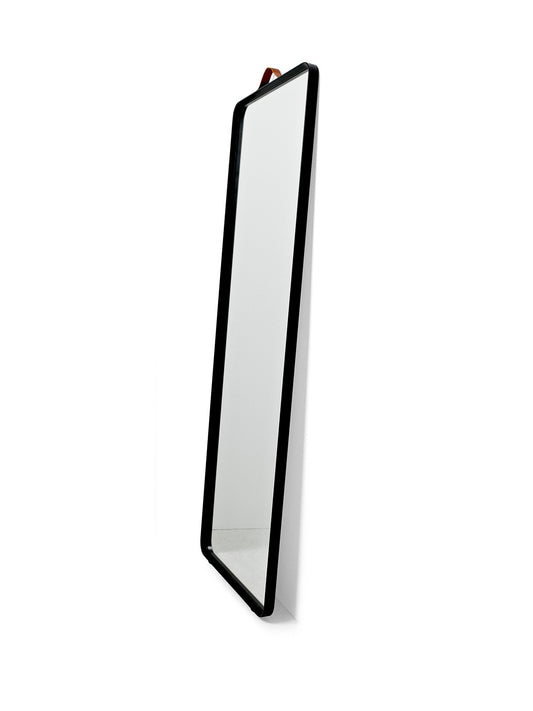
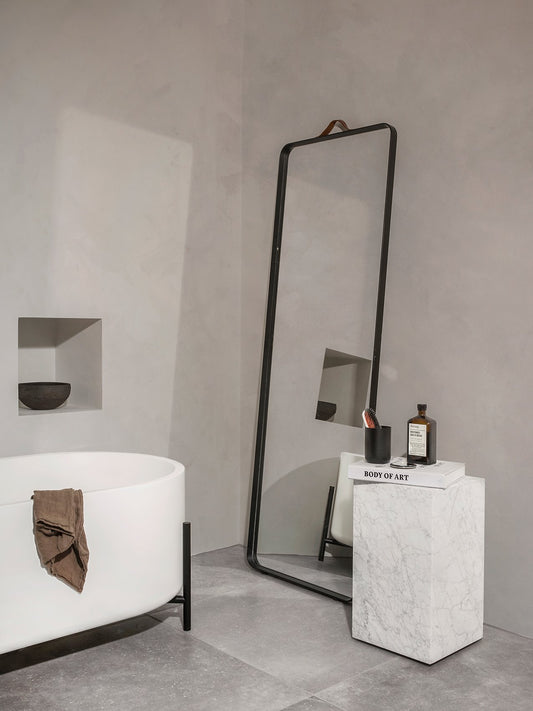
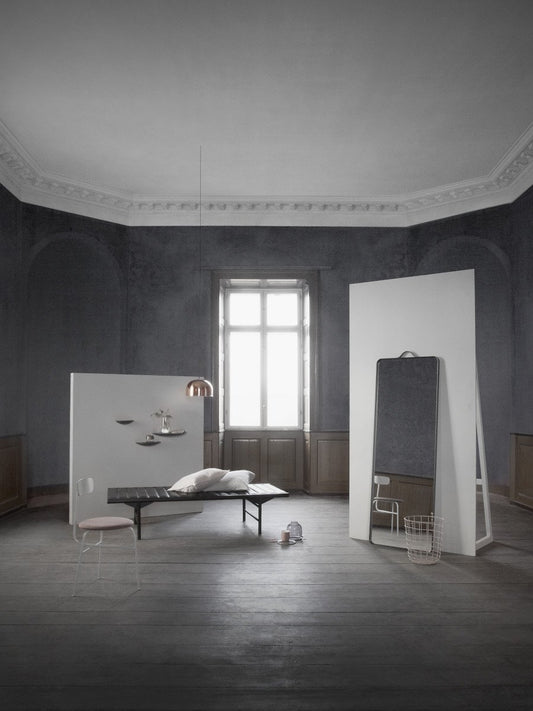
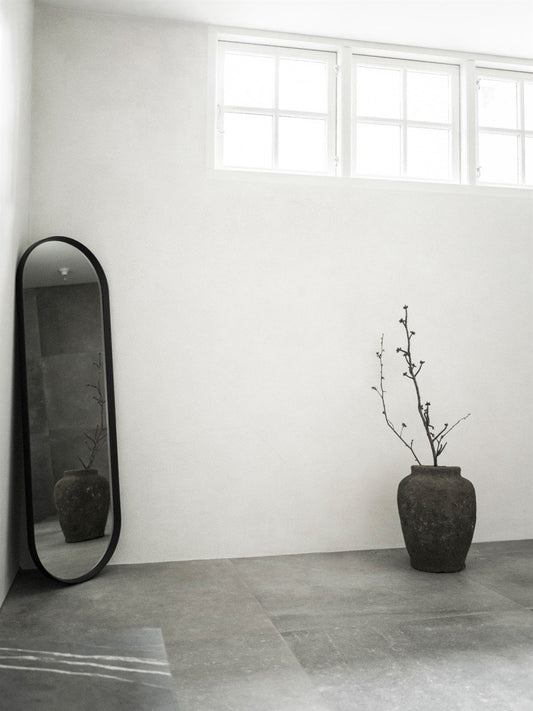
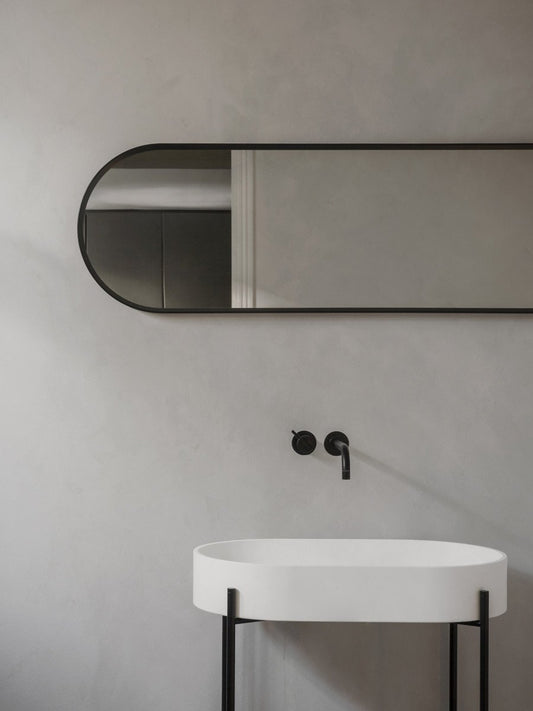
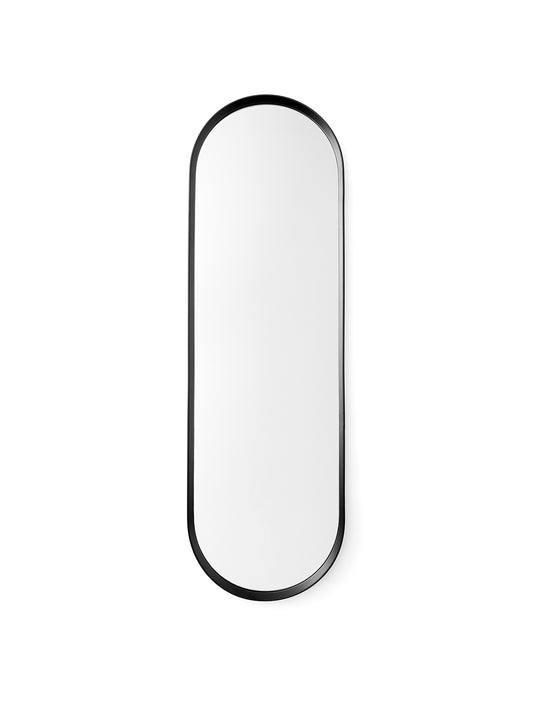
The Norm Floor Mirror offers a more architectural expression. With its clean lines and freestanding form, it brings clarity and verticality to a space, while maintaining a restrained and composed presence. In contrast, the Oval Wall Mirror introduces softer geometry. Its curved form creates a gentle transition within the interior, balancing sharper lines and adding a sense of calm continuity.
Table mirrors and compact reflections
Table mirrors offer a more intimate approach to reflection, combining practical use with a refined decorative presence. Smaller in scale, they are easily integrated into a variety of settings, from dressing tables and bathroom surfaces to shelves and desks, where they introduce both function and a quiet sense of balance.
Placed thoughtfully, these mirrors bring clarity to everyday routines while contributing to the overall composition of a space. Their compact form allows them to sit comfortably alongside other objects, reflecting light and surrounding materials in a way that feels subtle rather than dominant. This creates a layered effect, where even smaller elements play a role in shaping the atmosphere.
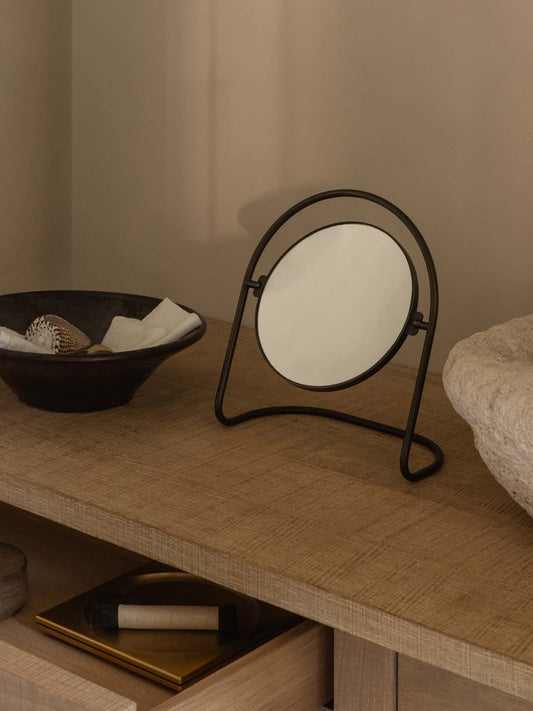
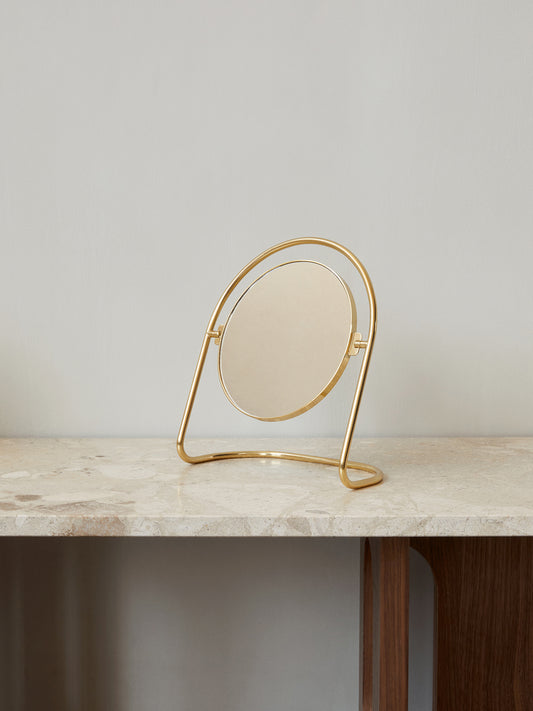
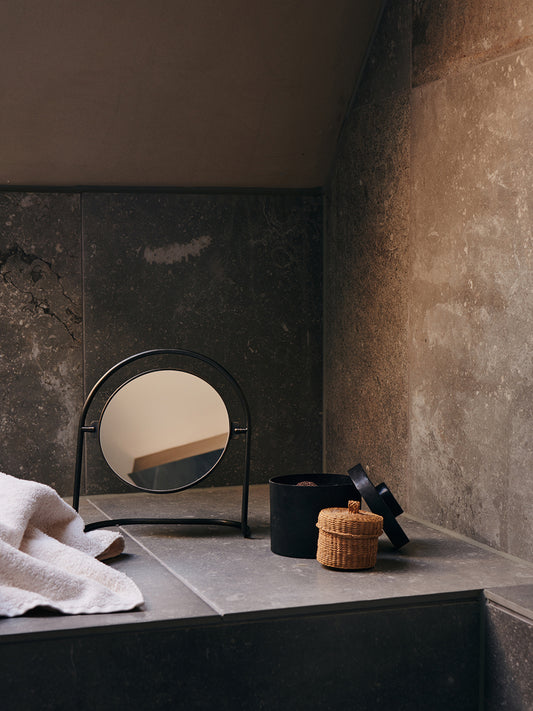
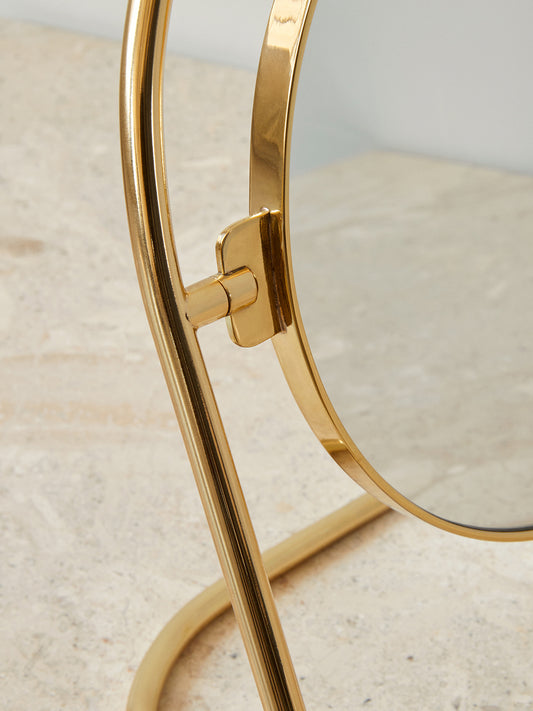
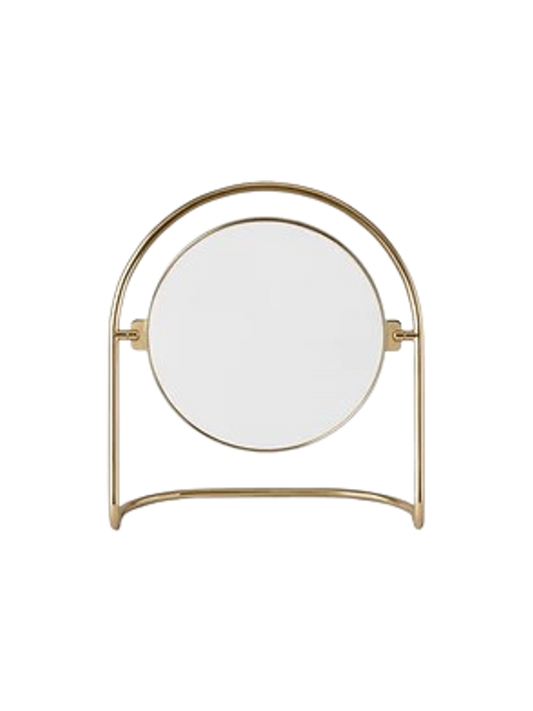
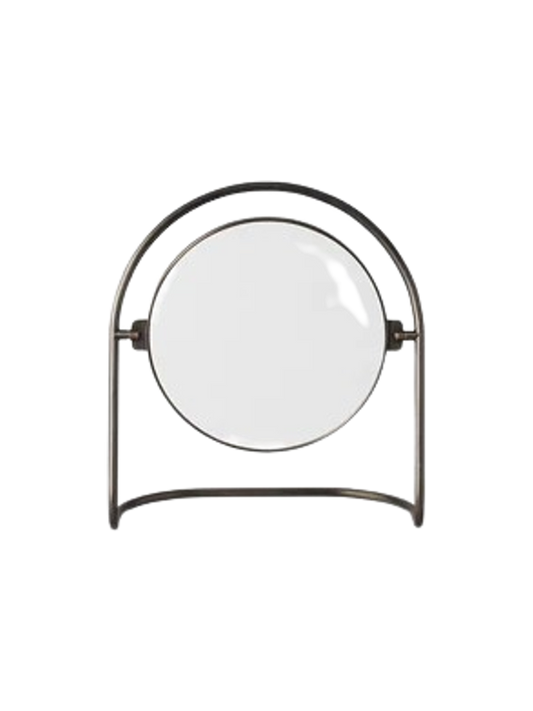
The Nimbus Table Mirror reflects this balance between form and function. Its circular mirror surface is held within a distinctive, halo-like frame, offering a sculptural presence while remaining light and approachable. The material contrast between glass and metal creates a subtle interplay, where clarity and structure exist in quiet balance.
Selecting the right lighting for the space
Choosing a mirror requires a balance between proportion, placement and material. Scale plays a defining role, where larger mirrors can open up a room and create a focal point, while smaller designs introduce more subtle reflections that support the overall composition.
Shape influences how a mirror interacts with its surroundings. Round and oval forms soften an interior, creating gentle transitions, while rectangular mirrors bring structure and clarity. Placement also shapes the experience of light, allowing reflections to enhance brightness and extend sightlines throughout the space.
Whether introducing depth to a smaller room, reflecting light through a hallway or adding a sculptural element to a living space, Audo’s mirror designs offer a refined balance of form and function, grounded in a timeless and elegant aesthetic.